Shaddai

Learn Hebrew

Learn Torah

Hebrew for Christians
BS''D
Traditional Weekly Torah Readings - Parashat Ha-Shavua

Weekly Torah Readings -

Understanding Parashat HaShavua

What are Torah Portions?

Each week in synagogues around the world a portion from the Torah (called a parashah) is chanted. The Torah is divided into 54 of these parashiyot so that in the course of a year (beginning and ending on Simchat Torah) the entire scroll has been recited during services.

Printer-Friendly PDF

Calendar

A Jewish leap year contains 54 weeks, but a non leap year has only 50 weeks (a leap-year adds an additional month (called Adar II) to the usual 12).  On the week of Passover and the week of Sukkot, different Torah portions are read, so that leaves 52 weeks for the 54 readings (2 weeks have double portions), and on non leap years only 48 weeks for the 54 (6 weeks have double portions).  I hope that makes sense; if you are a bit muddled, always consult a good Jewish Calendar.

The Origin of the Weekly Torah Portion

Jewish tradition states that Ezra the Scribe (and the 120 elders of the Great Assembly [4th century before Mashiach]) was the originator of the weekly Torah reading schedule for klal Yisrael. The Great Assembly (which included Mordecai (of the Esther story), Daniel, Nehemiah, Zechariah, and Zerubabel, among other notables) is also said to have instituted other traditional practices such as the recitation of Kiddush (on Shabbat); the idea that prayer should occur three times a day; the structure of the Amidah prayer; the recitation of various blessings before eating, and so on.

The Triennial cycle of readings appears to be older than the yearly cycle (which developed during the Babylonian exile), and was probably used when Yeshua (B"H) was here. This plan reads through the Torah in three years, though the way the readings are arranged is a bit strange, since they skip 2/3 of the yearly portion through every cycle.

The Torah Blessings and Aliyot

The Torah portions themselves are divided into sections, called aliyot (literally, “ascent”), and it is customary to call up people from the congregation to recite a blessing before and after the section. For Shabbat services each parashah is divided in seven aliyot, with a concluding portion (called the Maftir) recited by the person who will also recite the Haftarah blessings. This means that on a given Shabbat, eight people will be called to recite blessings over the Torah.


The Procedure for Making Aliyah
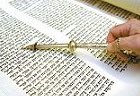
The person assigned aliyah is called up to the bimah (Torah reading table) by his Hebrew name. The cantor will point to the first word in the scroll that begins the portion. The person then touches the margin area closest to that point with his tzitzit and then touches the tzitzit to his lips. Standing directly in front of the scroll with both hands on the handles (etz chayim), he recites the barekhu and the first Torah blessing. He then releases the etz chayim and moves to the right to allow the cantor to read the portion. When the cantor is finished, the person again holds both etz chayim and recites the second Torah blessing. After this, the next person is called up to the bimah and the process repeats until all seven aliyot and the concluding maftir are completed.

What are Haftarah Portions?

The weekly Torah portion is followed by an additional portion from the Nevi’im (Prophets) called Haftarah. It is thought that the Haftarah readings were derived when the Greek Hasmonean Dynasty (late Second Temple period, approx. 200 years B.C.E), ruled over the land of Israel.  These Hellenists forbade the public reading of Torah in order to dissipate Jewish solidarity, etc., under their rule. So, instead of the weekly Torah portion, the clever Jewish leadership instituted the weekly reading of a portion from the Nevi'im which contained ideas which were similar to the Torah reading of that week. 


The Maftir and Haftarah
The maftir (additional) is the last aliyah of the Torah reading service on Shabbat, which usually comprises the last few verses of the week's Torah portion (on festivals and certain special Sabbaths, the maftir is a different reading: see the table below). The person who receives the maftir also recites the Haftarah (a reading from the Prophets) and the Haftarah blessings that go with it. The Haftarah and maftir are connected to show that the books of the Prophets must be grounded in the study of the Torah.

The Torah Reading Ceremony

The Torah and Haftarah reading ceremonies are performed as follows: the Torah is taken from the Ark and paraded around the room before it is brought to rest on the bimah (torah reading podium). The weekly portion (parashat hashavuah) is divided up into portions (pasukim), and certain members of the congregation are called to recite the blessing over their assigned portion of the week’s reading. This honor is referred to as an aliyah (literally, ascension or calling up).

The first aliyah of any day's reading is reserved for a kohen (that is, someone descended from the priestly line of Aaron, the brother of Moses), the second is reserved for a Levite, and subsequent aliyot are normally given to people celebrating major life events, such as marriage or the birth of a child. Click here to learn the blessing over the Torah.

Traditional Parashah Table

The following table lists the 54 portions according to conventional transliterated name. Each portion usually takes its name from the first unique word(s) of the Hebrew text. To find the current week’s readings, you must consult a Jewish Calendar that lists the (Jewish) parashah for the (Gregorian) week. In the following table, you can click on the name of the Parashah to read its summary:

#

Parashat

Torah

Haftarah

Brit Chadashah

1

Bereshit

Gen 1:1-6:8

Isa 42:5-43:11

John 1:1-14

2

Noach

Gen 6:9-11:32

Isa 54:1-55:5

Mt 24:36-46;
1 Pet 3:18-22

3

Lekh Lekha

Gen 12:1-17:27

Isa 40:27-41:16

Rom 4:1-25

4

Vayera

Gen 18:1-22:24

II Ki 4:1-37

Lk 1:26-38; 24:36-53;
2 Pet. 2:4-11

5

Chayei Sarah

Gen 23:1-25:18

I Ki 1:1-31

Mt 1:1-17;
1 Cor 15:50-57

6

Toldot

Gen 25:19-28:9

Mal 1:1-2:7

Rom 9:1-31

7

Vayetzei

Gen 28:10-32:3

Hos 12:13-14:10

Jn 1:19-51

8

Vayishlach

Gen 32:4-36:43

Hos 11:7-12:12
Obadiah 1:1-21

Heb 11:11-20;
Mt 26:36-46

9

Vayeshev

Gen 37:1-40:23

Amos 2:6-3:8

Mt 1:1-6, 16-25

10

Miketz

Gen 41:1-44:17

I Ki 3:15-4:1

Rom 10:1-13

11

Vayigash

Gen 44:18-47:27

Ezek 37:15-37:28

Eph 2:1-10

12

Vayechi

Gen 47:28-50:26

I Ki 2:1-12

1 Pet 1:1-9

13

Shemot

Ex 1:1-6:1

Isa 27:6-28:13; 29:22-23

Acts 7:17-35;
1 Cor 14:18-25

14

Va'era

Ex 6:2-9:35

Ezek 28:25-29:21

Rom 9:14-33

15

Bo

Ex 10:1-13:16

Jer 46:13-46:28

Lk 22:7-30;
1 Cor 11:20-34

16

Beshalach

Ex 13:17-17:16

Judges 4:4-5:31

Jn 6:15-71

17

Yitro

Ex 18:1-20:23

Isa 6:1-7:6; 9:5-9:6

Mt 5:8-20

18

Mishpatim

Ex 21:1-24:18

Jer 34:8-34:22; 33:25-26

Mt 5:38-42;17:1-11

19

Terumah

Ex 25:1-27:19

I Ki 5:26-6:13

2 Cor 9:1-15;
Mt 5:33-37

20

Tetzaveh

Ex 27:20-30:10

Ezek 43:10-43:27

Heb 13:10-17

21

Ki Tisa

Ex 30:11-34:35

I Ki 18:1-18:39

2 Cor 3:1-18

22

Vayakhel *

Ex 35:1-38:20

I Ki 7:40-7:50

2 Cor 9:6-11;
1 Cor 3:11-18

23

Pekudei

Ex 38:21-40:38

I Ki 7:51-8:21

Heb 1:1-14

24

Vayikra

Lev 1:1-6:7[e]

Isa 43:21-44:23

Heb 10:1-18

25

Tzav

Lev 6:8-8:36

Jer 7:21-8:3; 9:22-23

Heb 7:24-8:6

26

Shmini

Lev 9:1-11:47

II Sam 6:1-7:17

Heb 7:1-19; 8:1-6

27

Tazria *

Lev 12:1-13:59

II Ki 4:42-5:19

John 6:8-13; Mt 8:1-4

28

Metzora

Lev 14:1-15:33

II Ki 7:3-7:20

Matt 8:1-17

29

Acharei Mot *

Lev 16:1-18:30

Ezek 22:1-22:19

Heb 9:11-28

30

Kedoshim

Lev 19:1-20:27

Amos 9:7-9:15

1 Cor 6:9-20;
1 Pet 1:13-16

31

Emor

Lev 21:1-24:23

Ezek 44:15-44:31

1 Pet 2:4-10

32

Behar *

Lev 25:1-26:2

Jer 32:6-32:27

Lk 4:16-21

33

Bechukotai

Lev 26:3-27:34

Jer 16:19-17:14

Mt. 21:33-46;
2 Cor 6:14-18

34

Bemidbar

Num 1:1-4:20

Hos 2:1-2:23

Rom 9:22-33;

35

Naso

Num 4:21-7:89

Judges 13:2-13:25

Acts 21:17-26

36

Beha'alotekha

Num 8:1-12:16

Zech 2:14-4:7

1 Cor 10:6-13;
Rev 11:1-19

37

Shelach Lekha

Num 13:1-15:41

Josh 2:1-2:24

Heb 3:7-4:1

38

Korach

Num 16:1-18:32

I Sam 11:14-12:22

Rom 13:1-7

39

Chukat *

Num 19:1-22:1

Judges 11:1-33

Hebrews 9:11-28;
John 3:10-21

40

Balak

Num 22:2-25:9

Micah 5:6-6:8

Rom 11:25-32

41

Pinchas

Num 25:10-30:1

I Ki 18:46-19:21

Rom 11:2-32

42

Mattot *

Num 30:2-32:42

Jer 1:1-2:3

Matt 5:33-37

43

Masei

Num 33:1-36:13

Jer 2:4-28; 3:4

James 4:1-12

44

Devarim

Deut 1:1-3:22

Isa 1:1-1:27

Acts 9:1-21;
1 Tim 3:1-7

45

Vaetchanan

Deut 3:23-7:11

Isa 40:1-40:26

Mt 23:31-39;
Mk 12:28-34

46

Eikev

Deut 7:12-11:25

Isa 49:14-51:3

Heb 11:8-13;
Rom 8:31-39

47

Re'eh

Deut 11:26-16:17

Isa 54:11-55:5

Jn 7:37-52; 1 Jn 4:1-6

48

Shoftim

Deut 16:18-21:9

Isa 51:12-52:12

Jn 1:19-27;
Acts 3:22-23

49

Ki Teitzei

Deut 21:10-25:19

Isa 54:1-54:10

Mt 5:27-30;
1 Cor 5:1-5

50

Ki Tavo

Deut 26:1-29:8

Isa 60:1-60:22

Eph 1:3-6;
Rev 21:10-27

51

Nitzavim *

Deut 29:10-30:20

Isa 61:10-63:9

Rom 10:1-12

52

Vayeilech

Deut 31:1-31:30

Isa 55:6-56:8

Rom 10:14-18

53

Ha'azinu

Deut 32:1-32:52

II Sam 22:1-51

Rom 10:14-11:12

54

Vezot Haberakhah

Deut 33:1-34:12

Josh 1:1-18

Rev 22:1-5

* Portions marked with an asterisk can be added to the following week’s readings.

There are 54 Torah portions, one for each week of a leap year, so that in the course of a year, beginning and ending on the Simchat Torah, we read the entire Torah in our services. During non-leap years, there are 50 weeks, so some of the shorter portions are doubled up (a leap-year adds an additional month (4 weeks) to the usual 12 (called Adar II); a Jewish calendar will indicate if a year is a leap year). 

On the week of Passover and the week of Sukkot, different Torah portions are read, so on leap years that leaves 52 weeks for the 54 readings (2 weeks have double portions), and on non leap years that leaves 48 weeks for the 54 (6 weeks have double portions).

Additional Parashiot for Holidays
Below are additional readings for holidays and special shabbats. Note that on holidays, the maftir (M) portion is different than the usual Torah reading:

Parashat

Torah

Haftarah

Brit Chadashah

Rosh Hashanah
Day 1

Gen 21:1-34
Num 29:1-6 (M)

I Sam 1:1-2:10

1 Thess 4:13-18;
1 Cor 15:51-54

Rosh Hashanah
Day 2

Gen 22:1-24
Num 29:1-6

Jer 31:1-19

1 Thess 4:13-18;
1 Cor 15:51-54

Shabbat Shuvah

Deut 32:1-32:52

Hosea 14:1-9(h);
Joel 2:15-27;
Micah 7:18-20

Rom 10:14-11:12

Yom Kippur (shacharit)

Lev 16:1-34
Num 29:7-11

Isa 57:14-58:14

Rom 3:21-26;
2 Cor 5:10-21

Yom Kippur (minchah)

Lev 18:1-30

Jonah 1:1-4:11;
Micah 7:18-20

Rom 3:21-26;
2 Cor 5:10-21

Sukkot 1

Lev 22:26-23:44
Num 29:12-16

Zech 14:1-21

Jn 1:10-14;
Rev 7:1-10; 21:1-4

Sukkot 2

Lev 22:26-23:44
Num 29:12-16

I Ki 8:2-21

Jn 1:10-14;
Rev 7:1-10; 21:1-4

Sukkot CH”M 1

Num 29:17-22


Jn 1:10-14;
Rev 7:1-10; 21:1-4

Sukkot CH”M 2

Num 29:20-25


Jn 1:10-14;
Rev 7:1-10; 21:1-4

Sukkot CH”M 3

Num 29:23-28


Jn 1:10-14;
Rev 7:1-10; 21:1-4

Sukkot CH”M 4

Num 29:26-31


Jn 1:10-14;
Rev 7:1-10; 21:1-4

Sukkot Shabbat

Lev 22:26-23:44;
Num 29:12-29:16

Zech 14:1-21;
Ecclesiastes (K)

Jn 1:10-14;
Rev 7:1-10; 21:1-4

Sukkot Shabbat
CH”M

Ex 33:12-34:26

Ezek 38:18-39:16;
Ecclesiastes (K)

Jn 7:37-44

Hoshana Rabbah

Num 29:26-34


Jn 7:1-2, 37-44

Shemini Atzeret

Deut 14:22-16:17
Num 29:35-30:1

I Ki 8:54-9:1

Mt 17:1-9;
Mk 12:28-33

Simchat Torah

Deut 33:1-34:12
Gen 1:1-2:3
Num 29:35-30:1

Josh 1:1-18

Mt 5:17-48;
Rom 7:21-25

Chanukah 1

Num 7:1-17


Jn 9:1-7 Jn 10:22-39

Chanukah 2

Num 7:18-29


Jn 9:1-7 Jn 10:22-39

Chanukah 3

Num 7:24-35


Jn 9:1-7 Jn 10:22-39

Chanukah 4

Num 7:30-41


Jn 9:1-7 Jn 10:22-39

Chanukah 5

Num 7:36-47


Jn 9:1-7 Jn 10:22-39

Chanukah 6

Num 7:42-47


Jn 9:1-7 Jn 10:22-39

Chanukah 7

Num 7:48-59


Jn 9:1-7 Jn 10:22-39

Chanukah 8

Num 7:54-8:4


Jn 9:1-7 Jn 10:22-39

Asarah B'Tevet

Ex 32:11-34:10


Tu B’Shevat

Ps 104:16-17; Psalms 120-134


Mt 7:13-24, 28-29

Shekalim

Ex 30:11-16

II Ki 11:17-12:17


Ta’anit Esther

Ex 32:11-34:10

Esther (K)

Mt 6:16-18; Lk 2:36-37

Zakhor (Purim)

Deut 25:17-19

I Sam 15:1-34


Purim

Ex 17:8-16

Esther (K)

Heb 11

Parah

Num 19:1-22

Ezek 36:16-38


Ha-Chodesh

Ex 12:1-20

Ezek 45:16-46:18


Shabbat Ha-Gadol


Mal 3:4-24


Passover Day 1

Ex 12:21-51
Num 28:16-25

Josh 3:5-7; 5:2-6:1; 6:27

Lk 22:7-20; Jn 1:29-31;
1 Cor 15:20-28

Passover Day 2</