|
The phrase hester panim (הֶסְתֵר פָּנִים) means "hiding of the face." It is often used when discussing the Book of Esther, where God's Name isn't mentioned even once, yet the hidden Presence is realized in the outcome of the story. In this sense of the term, hester panim is somewhat like the sun on an overcast day: Just because you don't see it doesn't mean it isn't there. God's providential care for us is at work at all times, whether we perceive it or not.
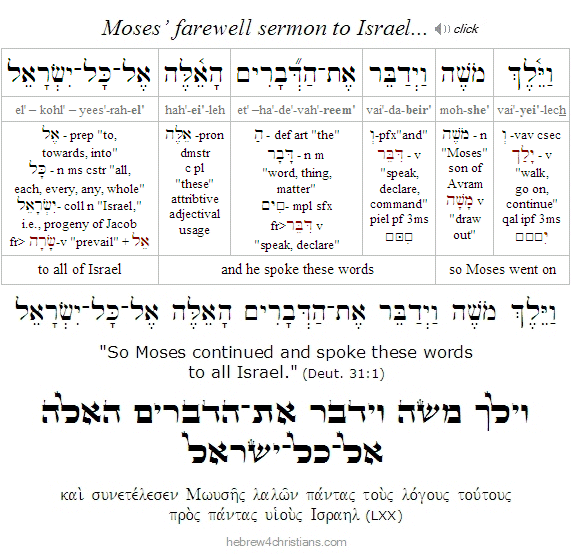
Parashat Vayelech begins on the last day of Moses' life. The LORD said to him, "Behold, you are about to lie down with your fathers. This people will rise and whore after the foreign gods among them in the land that they are entering, and they will forsake me and break my covenant that I have made with them" (Deut. 31:16). The parashah continues: "Then my anger will be kindled against them in that day, and I will forsake them and hide my face from them, and they will be devoured.... And I will surely hide my face in that day because of all the evil that they have done, because they have turned to other gods" (Deut. 31:17-18).
Unlike the happy thought that hester panim refers to God's hidden providence for good, in this case hester panim refers to the terrifying prospect of the withdrawal of the Divine Presence itself. God "hides His face" from us because our own desire for evil blinds us to the truth of His Presence. Hester panim therefore is not only "absence of Divine Presence," but "presence of Divine Absence." In other words, sin and selfishness causes the Divine Presence to remove from us, but that is precisely because we remove ourselves from Him. "I will hide... because you have turned..." The distance is therefore reciprocal: Selfishness turns God away from us and turns us away from God.

In difficult moments, many people cynically ask, "Where's God?" and yet they have no intention of turning from sin to seek the Divine Presence. They are quick to judge the Divine Absence as an excuse for the return to selfishness. This "hardening of the heart" leads to ever-increasing spiritual darkness and confusion... Finally the line is crossed and they become unable to turn away, unable not to sin (non posse non peccare). They are consigned to a frightful state: "God gave them up to a debased mind (αδοκιμον νουν) to do what ought not to be done" (Rom. 1:28).
People tend to blame God for the Divine Absence yet forget that God "hides His face" from those who elevate selfish desire over all other things... "Whoring after other gods" is nothing more than perverse self-exaltation, stubborn self-worship, and the incessant return to yourself as the object of ultimate concern in life.... This profound despair form is truly the "sickness unto death."
These are not happy thoughts, chaverim. In some tragic cases, the disease "reaches term" and the person actually dies. The "hiding of face" is then forever sealed. Since we have hidden our face from Him, God has hidden His face from us. God forbid that this should be anyone's ultimate spiritual destiny....
Is there a redemptive side to all of this? Yes of course. In some cases God "turns away" from us in order to afflict us and understand our need to return to Him, as it is written: "It was good for me that I was afflicted, that I might learn Your statues" (Psalm 119:71). The sense of "Divine Absence" can be a gift that helps us seek the Divine Presence: "Draw near to God, and he will draw near to you" (James 4:8). The "dark night of the soul" can be a means of leading us to godly sorrow that leads to life (2 Cor. 7:10).
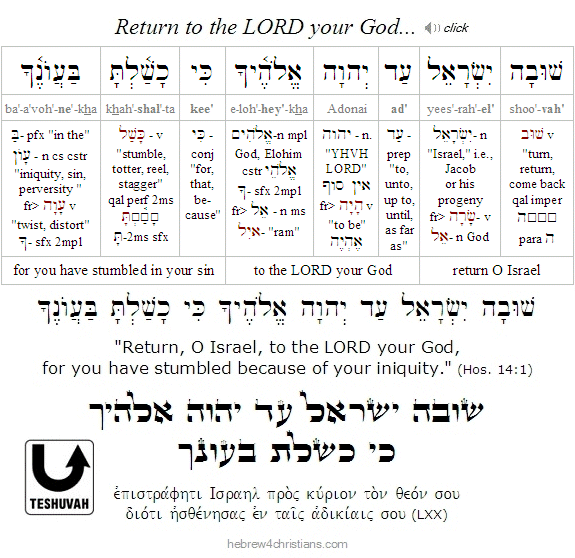
In keeping with the Days of Awe and the call to do teshuvah shelmah (a complete repentance), then, let me quote from the prophet Isaiah:
"Seek the LORD while he may be found; call upon him while he is near; let the wicked forsake his way, and the unrighteous man his thoughts; let him return to the LORD, that he may have compassion on him, and to our God, for he will abundantly pardon" (Isa. 55:6-7).
Let us "wait for the LORD, who is hiding his face from the house of Jacob, and hope in him" (Isa. 8:17). Wishing you teshuvah shlemah be'ahavat Yeshua - "A complete turning in the love of Jesus."
|