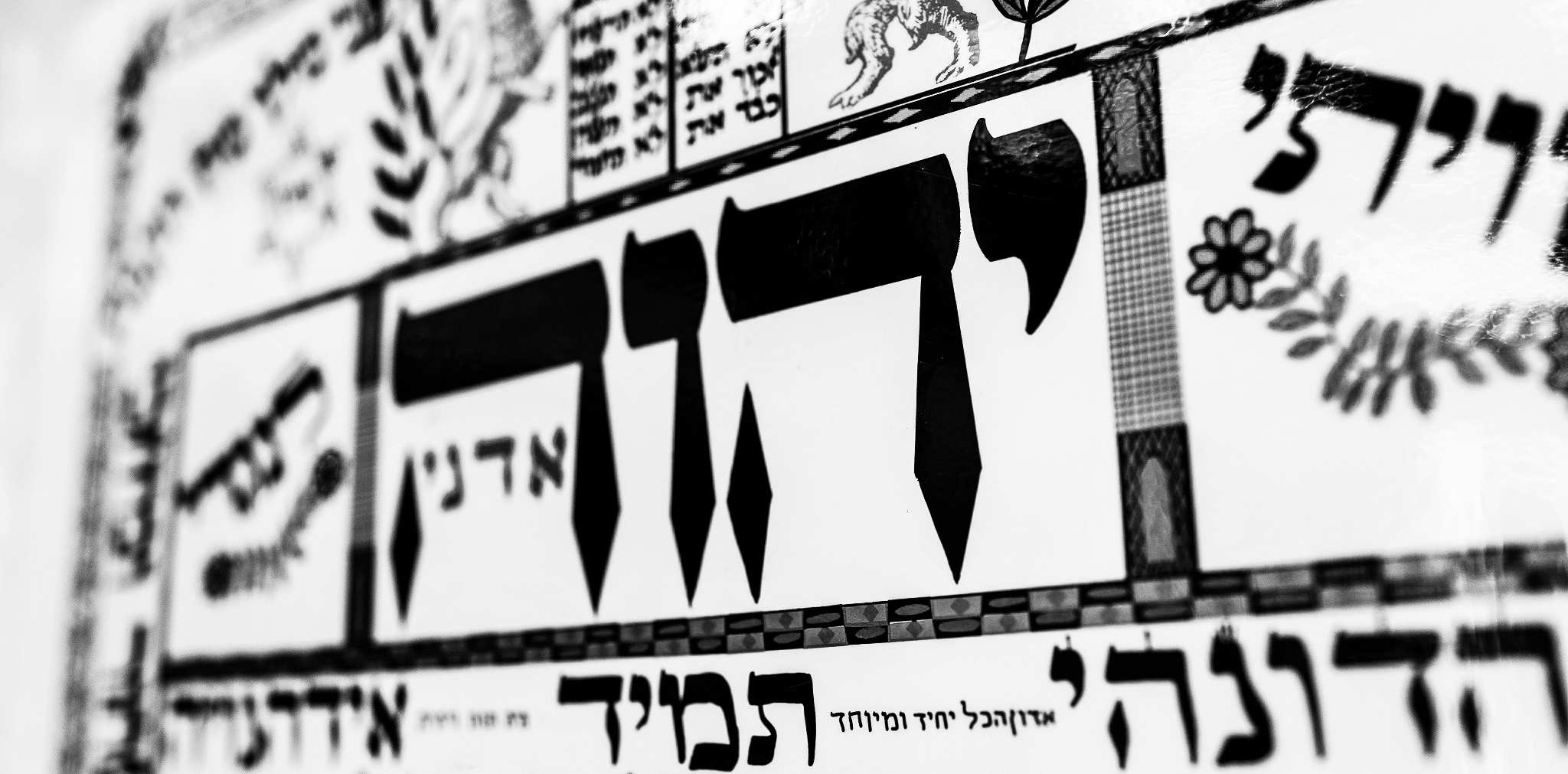
 The Scriptures teach that every word we speak and every choice we make are infallibly recorded in “heavenly scrolls,” and one day these scrolls will be opened as a testimony about what we did with our lives (Dan. 7:10; Matt. 12:36-37; 1 Cor. 3:13, 4:5). “And I saw the dead, both the great and the small, standing before the throne, and books were opened. Then another book (סֵפֶר אַחֵר) was opened, which is called the Book of Life (סֵפֶר הַחַיִּים). And the dead were judged by what was written in the books, according to what they had done” (Rev. 20:12).
Category: Torah Study
Selected verses from the Torah for Hebrew study
Confession and Healing…
 It is written in our Torah (Tazria): “When a person (i.e., adam: אָדָם) has on the skin of his body a swelling (שְׂאֵת) or a scab (סַפַּחַת) or a bright spot (בְּהֶרֶת)… he shall be brought to the priest” (Lev. 13:2). Here the sages note three common afflictions that befall the “children of Adam”: swelling (arrogance), scabs (worldly vanity, from a word that means to join together), and bright spots (representing the light of carnal reasoning to understand the ways of God). When we see only the affliction, we must go to the priest – to one who helps mediate the Divine Presence – to see how deep the affliction is… Symbolically, since we are all priests to one another (see Exod. 19:6; 1 Pet. 2:5,9; Rev. 1:6), we share our afflictions with one another, allowing ourselves to be seen, and to confess our need for healing. We are only as sick as the secrets we keep, and therefore we are encouraged to share our struggles with one another: “Therefore, disclose (ἐξομολογέω, lit. ‘confess out’) your sins to one another and pray (εὔχομαι) for one another, that you may be healed…” (James 5:16).
Followers of Yeshua are intended by God to be healers (Luke 9:1). The most common word for healing in the New Testament is therapeuo (θεραπεύω), a word that means to serve, to care for, and to restore to health. Unlike some ministers who draw crowds to demonstrate the power of miraculous “faith healing,” true spiritual healers take the time to listen to others, to hear their inward pain, and to extend compassion and grace to them. They help open the inner eyes of the heart by extending hope and a new vision about what is real… Indeed, lasting healing focuses less on being cured than on finding hope that will never die.
The Torah connects disease (i.e., tza’arat) with evil speech and thinking. Healing comes through doing teshuvah, that is, by confessing our sin and turning to God for forgiveness, as it says: “He forgives all your iniquities, he heals all your diseases” (Psalm 103:3).

- Psalm 103:3 study page (pdf)
Rosh Hashanah and the Lamb…
 In the Torah we find that the word “love” (i.e., ahavah) first appears regarding Abraham’s passion for his son: “Take your son, your only son Isaac, whom you love (אֲשֶׁר־אָהַבְתָּ), and go to the land of Moriah, and offer him there as a burnt offering on one of the mountains of which I shall tell you” (Gen. 22:2). After journeying to the place, Abraham told his child that God would provide a lamb (אֱלהִים יִרְאֶה־לּוֹ הַשֶּׂה), and then bound Isaac, laid him upon an altar, and raised his knife to slay him (Gen. 22:8-10). At the very last moment, the Angel of the Lord called out: “Abraham! Abraham! Do not lay your hand on the lad or do anything to him, for now I know that you fear God, seeing you have not withheld your son, your only son (בֵּן יָחִיד), from me” (Gen. 22:11-12). Abraham then “lifted up his eyes” and saw a ram “caught in a thicket” which he offered in place of his son. Abraham then named the place Adonai-Yireh (יהוה יִרְאֶה), “the LORD who provides” (Gen. 22:14). The sacrifice of the lamb for Isaac portrayed the coming sacrifice of Yeshua, the great “Lamb of God” (שֵׂה הָאֱלהִים) who would be offered in exchange for the trusting sinner (John 1:29). Indeed the story of how God provided the lamb at Moriah (and later during the Passover in Egypt) foreshadowed the greater redemption given in Messiah at the “Passover cross,” and may be understood as the “Gospel according to Moses” (Luke 24:27; John 5:46). Therefore, Rosh Hashanah, or the Day of Judgment (יוֹם הַדִּין), is all about our Messiah, and the sound of the shofar reminds us of the Lamb of God who was offered in our place…
Ever-Present Mercy…
 Since Rosh Hashanah is known as the “Day of Judgment” (i.e., yom ha’din: יום הדין), it is customary to offer additional prayers of supplication (selichot) before the advent of the holiday. These prayers appeal to God’s compassion and often include the recitation of “shelosh esrei middot rachamim,” that is, the thirteen attributes of God’s mercy (Exod. 34:6-7). The thirteen attributes reveal the inner meaning of God’s Name YHVH (יהוה) disclosed to Moses after the people had committed the dreadful sin of the worshiping the golden calf (עגל זהב) at Sinai. God is not only our Judge and Lawgiver (Elohim), but our Savior and our Healer (Moshia). In his great mercy He restores what we have broken; He overcomes our judgment by means of his abounding love given to us in Yeshua (Psalm 85:10). We therefore appeal to YHVH as the Source of Compassion, the “breath of life” (נִשְׁמַת חַיִּים) that was imparted to Adam on the day he was first created (Gen. 2:7).
Rosh Hashanah and the Lamb…
In the Torah we find that the word “love” (i.e., ahavah) first appears regarding Abraham’s passion for his son: “Take your son, your only son Isaac, whom you love (אֲשֶׁר־אָהַבְתָּ), and go to the land of Moriah, and offer him there as a burnt offering on one of the mountains of which I shall tell you” (Gen. 22:2). After journeying to the place, Abraham told his child that God would provide a lamb (אֱלהִים יִרְאֶה־לּוֹ הַשֶּׂה), and then bound Isaac, laid him upon an altar, and raised his knife to slay him (Gen. 22:8-10). At the very last moment, the Angel of the Lord called out: “Abraham! Abraham! Do not lay your hand on the lad or do anything to him, for now I know that you fear God, seeing you have not withheld your son, your only son (בֵּן יָחִיד), from me” (Gen. 22:11-12). Abraham then “lifted up his eyes” and saw a ram “caught in a thicket” which he offered in place of his son. Abraham then named the place Adonai-Yireh (יהוה יִרְאֶה), “the LORD who provides” (Gen. 22:14). The sacrifice of the lamb for Isaac portrayed the coming sacrifice of Yeshua, the great “Lamb of God” (שֵׂה הָאֱלהִים) who would be offered in exchange for the trusting sinner (John 1:29). Indeed the story of how God provided the lamb at Moriah (and later during the Passover in Egypt) foreshadowed the greater redemption given in Messiah at the “Passover cross,” and may be understood as the “Gospel according to Moses” (Luke 24:27; John 5:46). Therefore, Rosh Hashanah, or the Day of Judgment (יוֹם הַדִּין), is all about our Messiah, and the sound of the shofar reminds us of the Lamb of God who was offered in our place…
Vayeilech Shavuah Tov Podcast
 In this “Shavuah Tov” audio broadcast I discuss both the Jewish High Holidays — and how they relate to us as followers of Yeshua the Messiah — as well as the weekly Torah portion we will read for Shabbat Shuvah, namely parashat Vayeilech. I hope you will find it helpful. L’Shanah Tovah u’Metukah b’Yeshua Meshicheinu, chaverim! – “to a good and sweet year in our Messiah Yeshua, friends.”
Nitzavim Shavuah Tov Podcast
Our Torah rea ding for this week, parashat Nitzavim (פרשת ניצבים), is always read on the Shabbat immediately before the solemn holiday of Rosh Hashanah, and therefore it is the last portion read before the new Jewish year (see Exod. 23:16). In many synagogues, the opening and concluding paragraphs of parashat Nitzavim are also read during the Yom Kippur morning service.
Nitzavim begins: “You are standing here today, all of you, before the LORD your God (אַתֶּם נִצָּבִים הַיּוֹם כֻּלְּכֶם לִפְנֵי יְהוָה אֱלהֵיכֶם) … so that you may enter into the sworn covenant of the LORD your God, which the LORD your God is making with you today, that he may establish you today as his people, and that he may be your God, as he promised you, and as he swore to your fathers, to Abraham, to Isaac, and to Jacob” (Deut. 29:10-13). After this Moses went on to review Israel’s history and prophetic future — i.e., the great prophecy of the Diaspora and Return of the people — and then he solemnly appealed for all those who believed to turn to the LORD for life: “I call heaven and earth to witness against you today, that I have set before you life and death, blessing and curse. Therefore choose life, that you and your offspring may live” (Deut. 30:19).
In addition to an overview of the Torah reading, I discuss the fall holidays of the Torah’s calendar, particularly the significance of Rosh Hashanah for followers of Yeshua the Messiah.
High Cost for Apathy…
 From our Torah for this week (i.e., Ki Tavo) we read: “Cursed is anyone who does not uphold the words of this Torah to do them” (Deut. 27:26). This is because God is God, ultimate reality is non-negotiable, and we are entirely and eternally accountable for all that we do (Matt. 12:36; Heb. 4:13). “Each person’s deeds will become manifest, for the Day will disclose it, because it will be revealed by fire, and the fire will test what sort of deeds each one has done” (1 Cor. 3:13). There is a Scroll that attests the reality of all truth, and the life of every soul created by God is recorded therein (Rev. 20:12).
We are forbidden to add or subtract from Torah, since that is to refashion God’s message into one of our own understanding (Deut. 4:2). Reading the tochachah or “rebuke” in our portion (i.e., Deut. 28:15-68) is difficult and painful, though it serves as a bitter medicine to wake us up from our lethal coma. In that sense the tochechah is a great blessing, since it shocks us into experiencing the “gravity of God’s grace.” This is why Yeshua proclaimed grave warnings about the dangers of forfeiting life and thereby “receiving” hell… Sin is a lethal problem, and we must turn to God for healing or we will die.
Why Celebrate Rosh Hashanah?
Should followers of Yeshua observe the festival of Rosh Hashanah? Surely you know my answer, chaverim, but I thought I’d provide a few reasons why we observe this special time for the sake of our Christian friends who might not understand the importance of the moedim (appointed times). What follows is a “short list” of reasons, though a lot more could be said on this topic of course.
First, the LORD God is indeed the King of all the earth, our Creator and Redeemer. He is Melech Gadol al-kol-ha’aretz, (מֶלֶךְ גָּדוֹל עַל־כָּל־הָאָרֶץ), a “great King over all the earth” (Psalm 47:2). Though Christians should acknowledge His righteous rule and Kingship at all times, Rosh Hashanah is a “sanctified reminder” of God’s creative authority in our lives. Yeshua (Jesus) is called the Mashiach (מָשִׁיחַ), a term that denotes His Kingly dignity and royalty (this idea is unfortunately obscured by the Greek word “Christ”). Yeshua is also borei Olam – the Creator and Sustainer of all creation (Col. 1:16). He is coming to rule and reign from Jerusalem (Zion) in the near future. Christians will be judged according to their deeds of service (2 Cor. 5:10) and the world system (and Satan) will be judged during the Great Tribulation period that precedes the Second Coming. Just as the heavenly shofar was sounded from Sinai, so it will be one day sounded from Zion (Isa. 27:13).As the only true King and Judge, God indeed has a Sefer HaChayim (Book of Life) as well as a Sefer Ha-Metim (Book of Death). The Scriptures clearly warn that on the Day of Judgment to come, anyone’s name not found written in the Book of Life will be thrown into the lake of fire (Rev. 20:15). The Kingship of our LORD should be of great interest to those who wish to honor Him…

…
The 2020 Fall Holidays…
 The Torah divides the calendar into two symmetrical halves: the Spring and the Fall, indicating the two advents of Messiah. The Biblical year officially begins during the month of the Passover from Egypt (called Rosh Chodashim, see Exod. 12:2), and the spring holidays of Passover, Unleavened Bread, and Firstfruits both recall our deliverance from Egypt and also our greater deliverance given by means of the death, burial, and resurrection of the Messiah, the great Passover Lamb of God. Yeshua was crucified on erev Pesach, buried during Unleavened Bread, and was resurrected on Yom Habikkurim (Firstfruits). The holiday of Shavuot (i.e., “Pentecost”) both commemorates the revelation of the Torah at Sinai as well as the revelation of the Ruach HaKodesh (Holy Spirit) at Zion, in fulfillment of the promise given by our Lord….
The intermediate months of summer end with the advent of the sixth month of the calendar, called the month of Elul, which recalls the time Moses interceded on behalf of Israel after the sin of the Golden Calf. To commemorate this time of our history, we likewise focus on teshuvah (repentance) in anticipation of Rosh Hashanah (i.e., Teruah) and especially in anticipation of Yom Kippur, the great “Day of Atonement.” In Jewish tradition the 30 days of Elul are combined with the first ten days of the seventh month (called the “Days of Awe”) to set apart “Forty Days of Teshuvah” leading up to the Day of Forgiveness for Israel. Immediately following Yom Kippur, the mood changes as we begin preparing for a joyous week-long celebration called Sukkot (i.e., “Tabernacles”) that concludes with the holiday of Simchat Torah.
Just as the spring festivals (Passover, Firstfruits, and Shavuot) have been perfectly fulfilled in the first coming of Yeshua as Mashiach ben Yosef, so the fall festivals (Rosh Hashanah, Yom Kippur, and Sukkot) will be fulfilled in His second coming as Mashiach ben David. Since the first advent fulfilled all of the spring mo’edim to the smallest of details, we believe that His second advent portends similar fulfillment as revealed in the fall mo’edim. The fall festivals therefore prophetically foretell the Day of the LORD, the second coming of Yeshua, the great national turning of the Jewish people, and the establishment of the reign of the Messiah upon the earth during the Millennial Kingdom in the world to come.

…
For more information: