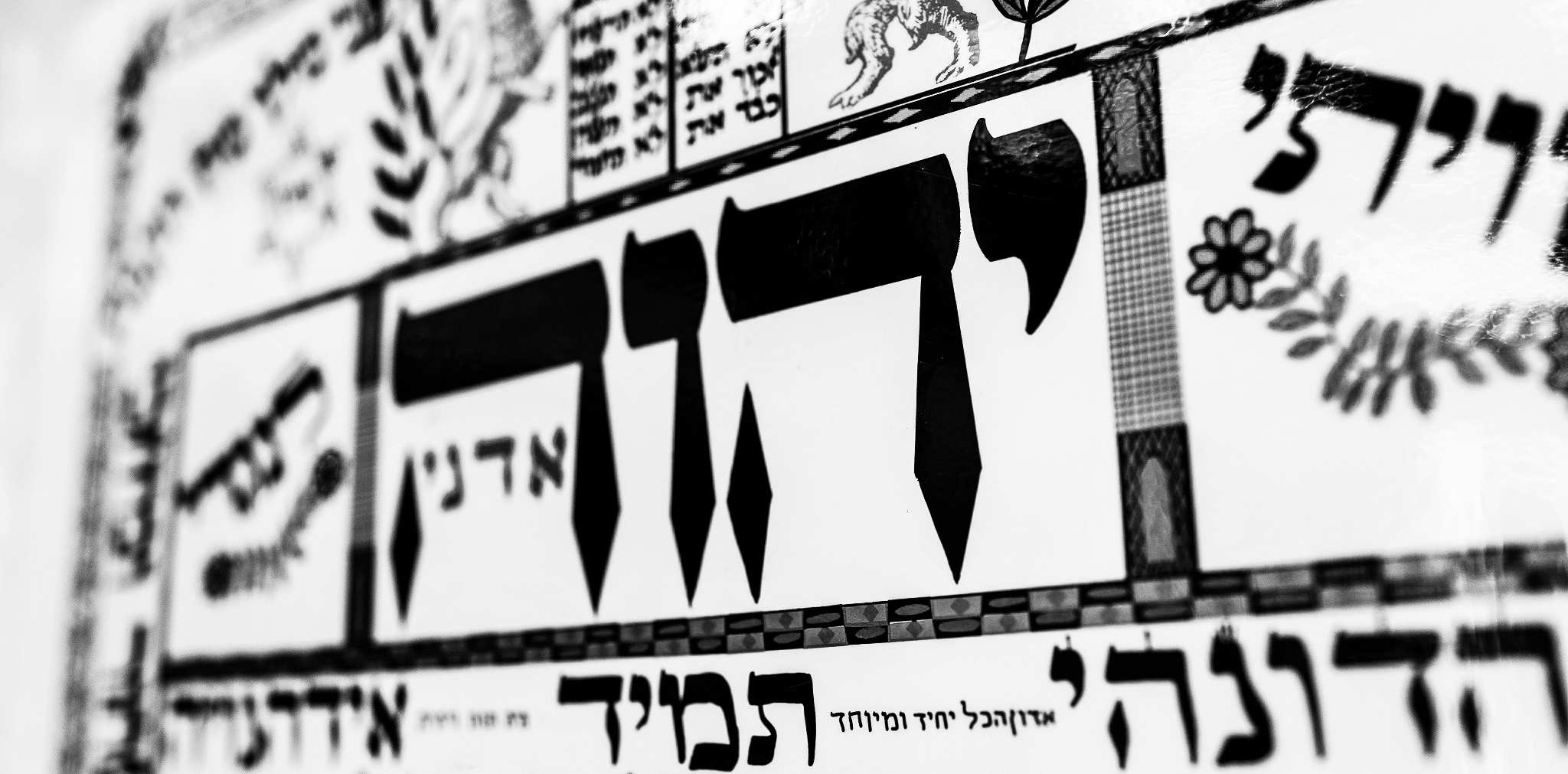
 Our Torah portion for this week, parashat Bamidbar (בְּמִדְבַּר), begins the Book of Numbers, where the narrative begins precisely where the Book of Exodus left off, with the glory of the LORD hovering over the Mishkan (Tabernacle) as the Israelites were stationed at Sinai. On the first day of the thirteenth month following the Exodus from Egypt – exactly thirty days after the Tabernacle was first consecrated – God commanded Moses to take a census of all Israelite males over 20 years of age who would bear arms. Moses and the heads of each tribe recorded the results, with 603,550 men in all. This number did not include the Levites, however, since they were designated to take care of the Tabernacle and its furnishings during the journeys.
In addition to an overview of the Book of Numbers, this audio discusses the holiday of Shavuot (“Pentecost”) and our journey of faith through the desert of this world…
Bamidbar Podcast:

 In this audio podcast I discuss the role of tradition in our understanding of the Torah and the Holy Scriptures. Though this is a somewhat complex subject, it is comprehensible if we take the time to carefully think through some of the issues. Among other things I consider the philosophical idea of the “Tao” as described by C.S. Lewis in relation to human conscience, the intuitive idea of the moral law as empirically expressed in various world cultures, and the argument that objective values are implied in any statement of right and wrong. I also consider the role and influence of tradition regarding the revelation of the law of God given at Mount Sinai, the subsequent preservation and transmission of the written words of Scripture, the creation of the biblical canon, and how both Yeshua and the Apostle Paul accepted and ministered in the context of the theological traditions of their day. I hope you might find it helpful…


 Shavuah Tov, chaverim! This week we will read the last two portions of the great Book of Leviticus (ספר ויקרא), namely,