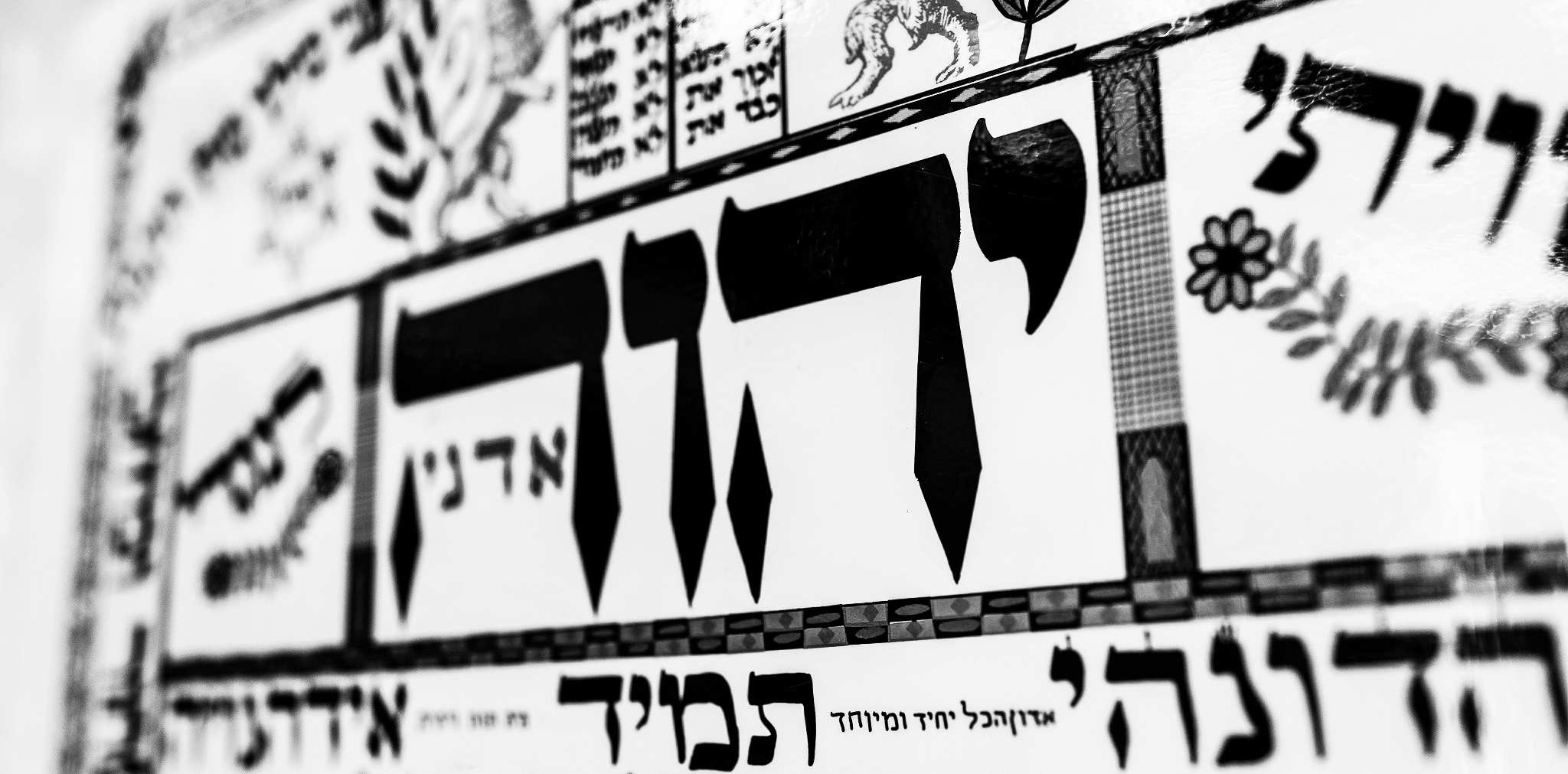
 It is written in the book of Hebrews that faith (understood in context to refer to the superior ministry of Yeshua that brings eternal redemption and that supersedes the earthly ministrations of the Levites) is the “underlying substance” (i.e., ὑπόστασις, or “being”) of our hope that “demonstrates” (ἔλεγχος) the realm of the unseen in the decisions and actions of those who truly believe. Faith is also a subjective conviction of the heart that apprehends the “unseen,” though that passion is a response to the hidden reality of God, and it is the work or practice of faith that makes the unseen seen. Another way to say this is that the believing heart “substantiates” the promise of God – apprehending the future and making it present within the heart (2 Cor. 4:18). “We walk by faith, not by sight.”
Now without faith it is impossible to please God, since God is the Source and Substance of all reality, and God therefore cannot be “reached” by means of untruth: “for the one who comes before God must believe that he exists and that he rewards (blesses) those who earnestly seek Him” (Heb. 11:6; Exod. 3:14). Faith is therefore the instrumentality of connection with God, for by it we are enabled (like Moses) to “see Him who is not visible” (Heb. 11:27). Faith is a special grace imparted from God to believe the promise of future blessedness, for no one can believe God apart from God’s prerogative to be known (Exod. 33:19; Eph. 2:8; John 6:44; John 15:16, Rom. 9:6-16, etc.). We are personally chosen by God to belong to Messiah, and our election gives us confidence to testify of his love before a hostile world (Rom. 8:31). This should not make us boastful, however, since there is nothing we have done to merit the gift of faith: it is the result of God’s love (Deut. 7:7; Eph. 2:8-10; Isa. 26:12; Titus 3:5). Being chosen in this way makes us compassionate people since we understand our own powerlessness to save ourselves (Col. 3:12-13). You take heart because God chose you to know him before the foundation of the world; you belong to him; you are one of his lost sheep who has been found! Faith is a gift, though it is manifest in our lives: We “work out” what God has sovereignly “worked in” to us by means of a living relationship with the truth.
Of course faith seems foolish to the “natural man” who is enslaved to sensuous understanding and is therefore bound to the limitations of phenomenological perception. However it is the carnal mind that is truly foolish, for its own assumptions about what is true are not grounded in reality (Psalm 14:1, Prov. 1:7). The one who comes to God – and the only one who can so come – is the one who believes that the unseen God is real and who therefore believes the promise of blessedness that comes to those who sincerely seek him.
Hebrew Lesson
Psalm 25:12 Hebrew reading:

 Those who know the Lord Yeshua understand that He is none other than the very Lawgiver and King of Israel, and it was He who spoke to Moses at Sinai regarding the moral will of God. His is the Voice of God (קוֹל אֱלהִים) speaking from the midst of the fire (Deut. 4:33). Yes of course (and thank God) that Yeshua is also our Savior who graciously died for us to be pardoned from the verdict of the law, but he did NOT die so that we should continue to sin but rather to be delivered from sin’s power in our lives…. We are never “perfected” in this life, and each of us will struggle with sin, but we should never allow sin to become a regular practice, and we should never live a secret and double life of hypocrisy… If we struggle, fair enough — we need to be honest, confess the truth, and get help, but we should never hide the truth about who we really are, since that leads to sickness of the heart and self-destructive despair. May God have mercy and help us all be on guard from the deceptions of the enemy of our souls.
 So much depends on how you look at things… Take the Tabernacle, or “Mishkan,” for instance. Compared to the glories of the Egyptian pyramids, the Sphinx, the enormous temples at Thebes and other places, the Mishkan must have seemed unimpressive and a bit underwheming. The Holy Place structure, for instance, measured just 20 x 20 cubits in size – a modest area covered in animal skins and curtains. Inside the tent structure (ohel) was placed the Menorah, the Shulchan (table), and the relatively small Golden Altar used to burn incense. The tent was further divided by a curtain (parochet) that cordoned off the Holy of Holies, a 10 x 10 cubit square section that contained the most sacred ritual object of all, namely, the Ark of the Covenant. All in all the Mishkan seemed to be a rather humble dwelling shrine when compared to the opulent structures of Egypt.
 Just as we ask God for daily bread (לֶחֶם חֻקֵּנוּ), so we ask him for our daily deliverance: “Lead us not into temptation, but deliver us from evil” (Matt 6:13). Note that the term translated “evil” in many translations (“deliver us from evil”) is a substantive rather than an adjective: τοῦ πονηροῦ, the evil one… “Give us this day our daily deliverance from the evil one….” Our daily bread and our daily deliverance are connected with our decision to “choose life” (בַּחַרְתָּ בַּחַיִּים) — and to always choose life — even in moments we find difficult, distressing, and even when we might wish that we were no longer living… Choosing life means refusing to escape reality by evading the significance of our choices; it means finding the will to regard life as worthy; it implies that we will eat our bread in trust that the Lord is at work even in the darkest of hours (Passover occurred at midnight)… Choosing life means refusing to eat the fruit of death and to seek Yeshua, the Tree of Life. We live one day at a time; we only have today. We are given daily bread for this hour of our need. Today is the day of your deliverance – if you are willing to walk in it. Therefore, the Spirit of the Living God cries out, “Choose life and live!”
 The ancient Greek philosophers sought for “salvation” (Σωτηρία), which they generally understood as freedom from the fear of death… Therefore Socrates sought to dispel mythical superstition by regarding philosophy as the “practice for death,” by which he meant that reflecting upon this “shadowy world” would instill a profound hunger for the eternal (and ideal) world, and he therefore advised that, since we all must die, we ought to prepare ourselves now for eternity, by focusing the mind on what is most essential, real, and beautiful.
 Often it is not what is said that matters in our prayers, but what is unsaid… We ask God for help but we have no idea what that help might entail, and therefore we must trust Him to do the best, whatever that may be, and to answer the silent cry and groan of the heart. As John Bunyan said, “When you pray, rather let thy heart be without words than thy words be without heart.”
 If you can’t detect God’s hand in your circumstances, then trust His heart… The heart of faith affirms: gam zu l’tovah (גַּם זוּ לְטוֹבָה): “this too is for good,” particularly when the present hour may be shrouded in darkness… Whenever I am confused about life (which is often enough), I try to remember what God said to Moses after the tragic sin of the Golden Calf: “I will make all my goodness pass before you and will proclaim before you my Name, ‘The LORD’ (יהוה). And I will be gracious to whom I will be gracious, and will show mercy on whom I will show mercy” (Exod. 33:19). God’s character does not change: the LORD is the same “yesterday, today, and forever.” The meaning of the Name, however, cannot be known apart from understanding the need of the heart…
 The Torah divides


 When you are tested, affirm your confidence. Spiritually speaking, the first step is to find hope… The Divine Light is seen by the eye of faith (עין האמונה), and therefore we find strength by trusting in God’s Presence, even though we cannot presently see Him (2 Cor. 4:18; 5:7). “Trust in the LORD with all your heart, and do not lean on your own understanding. Know Him in all your ways, and He will straighten your paths. Be not wise in your own eyes; fear the LORD, and turn away from evil” (Prov. 3:5-7). Wait on the LORD and He will strengthen your heart….
 Sickness of the soul is just as serious as sickness of the body, and indeed many of our physical sicknesses come from being sick at heart – by living in fear or despair, or by allowing unresolved guilt or anger to destroy ourselves. The Scriptures state that just as a body can become sick with illness, so can the soul: “I said, ‘O LORD, be gracious to me; heal my soul (רְפָאָה נַפְשִׁי), for I have sinned against you.'”