Man of our Sorrows…

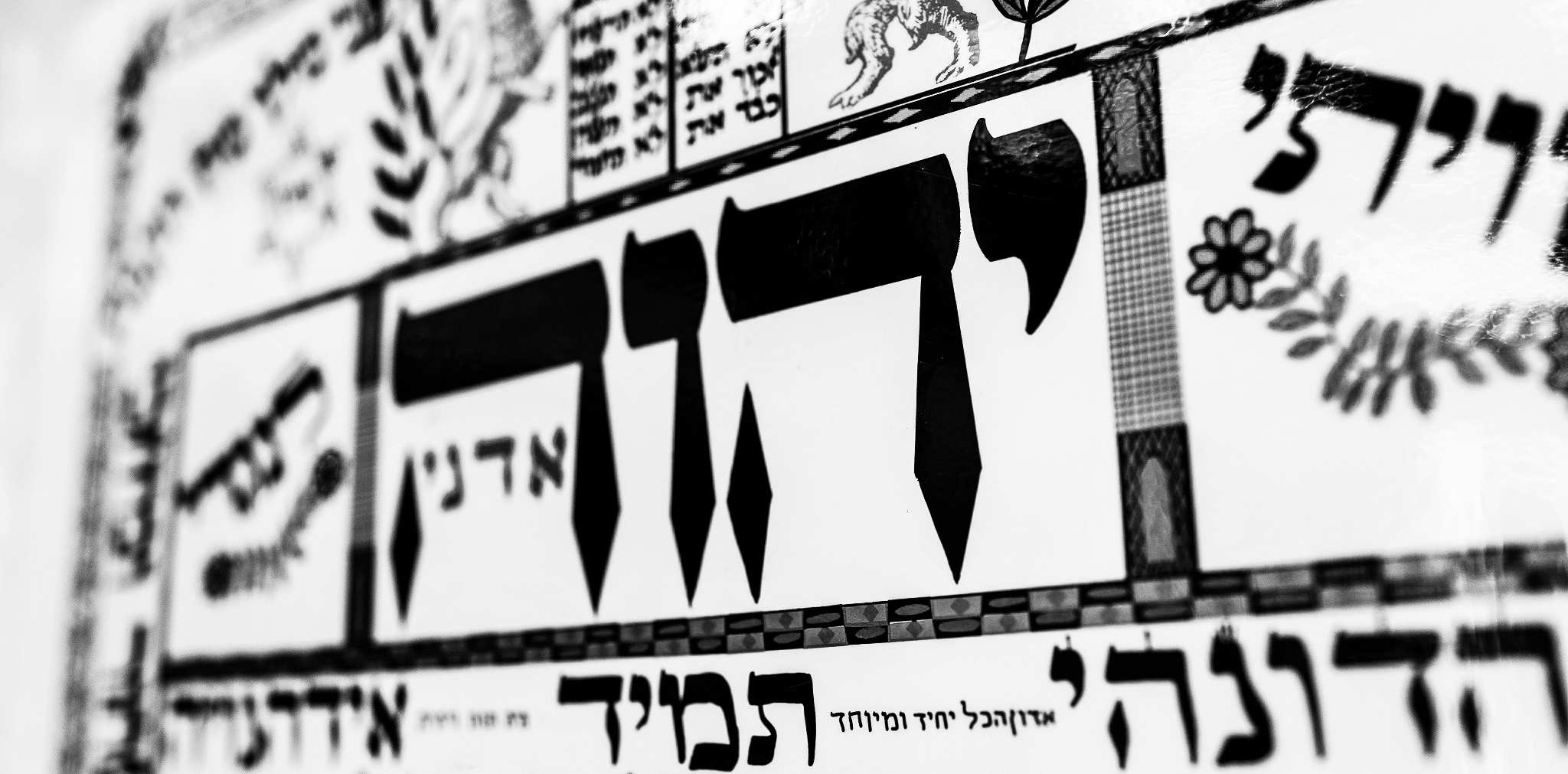
Happy Passover season, dear friends — despite the oppression and darkness of this evil world.. Recall that God had compassion for his people as they were suffering in Egypt. The LORD told Moses, “I have surely seen the affliction of my people who are in Egypt and have heard their cry… I know their sorrows” (Exod. 3:7). The grammar here is intense: “seeing I have seen” (רָאה רָאִיתִי). Understand, then, that God surely sees your struggles too, friend. Second, know that God heeds the outcry (צְעָקָה) of your heart, and indeed, he interprets your groaning as if it were for the sake of serving him. Your heart’s cry is transformed by grace to be the cry for God himself, for relationship with Him: “The cry of the people has come to me,” he again told Moses (Exod 3:9), which means all the sufferings, the wrongs, the hopes, the fears, the groans, the despair, the prayers, were present before him, as if he counted every word and sigh. Third, realize that God knows your sorrows; he gathers all your tears into his bottle (Psalm 56:8). The word translated “sorrows” (מַכְאב) is the same used to describe the “Man of sorrows” (אישׁ מַכְאבוֹת), Yeshua our Suffering Servant, who gave up his life to deliver you from your darkness, sorrow, and fears (Isa. 53:3-5).


Hebrew Lesson:


Mighty Hand and Outstretched Arm…

Concerning the observance of the Passover Seder the Torah states, “When your child asks you in time to come, ‘What is the meaning of the testimonies and the statutes and the rules that the LORD our God has commanded you?’ then you shall say Avadim Hayinu: ‘We were slaves (עבדים היינו) to Pharaoh in Egypt, but the LORD brought us out of Egypt with a mighty hand. And the LORD showed signs and wonders, great and grievous, against Egypt and against Pharaoh and all his household, before our eyes” (Deut. 6:20-23). We are instructed to “remember what the LORD your God did to Pharaoh and to all Egypt, the great trials that your eyes saw, the signs, the wonders, the mighty hand, and the outstretched arm, by which the LORD your God brought you out” (Deut. 7:19). As it is written in the Shema, “You shall teach them diligently to your children,” we ask, what do we teach? And we answer: Kulo! Everything – the whole story of our deliverance (הסיפור המלא).

The early sages taught that Hebrew word “Pesach” (פסח) can be read as peh (פֶּה), “mouth,” and sach (סַח), “speaks,” indicating that Passover is a confession of the truth of God’s redemption, testifying to the truth of the LORD’s faithful love. On Pesach we thank God for the revelation and the wonder of the great Lamb of God that was slain… Indeed, in light of the truth of the Scriptures – both in the Torah, the writings, the prophets, and the New Covenant Scriptures – how is it possible to honor the LORD God of Israel and to celebrate his redemption apart from the Messiah who came to earth to die as the great Lamb of God? Yeshua is the heart and central meaning of the Passover, and there is simply NO valid Passover Seder apart from the blood of the Lamb (Heb. 2:3; Heb 10:28-29).


Hebrew Lesson:


The Meaning of Passover…

In Exodus chapter 12 we read about the institution of Passover and the final plague that was to befall the Egyptians on the Passover night. When we think of this time, we may imagine God “passing over” those houses that had the blood of the lamb smeared on their doorposts, though it could be said that God passed into the homes of those who trusted him, while he withdrew His Presence from those that did not…

To see this note that two different words are used that can be translated as “pass over.” First, God said, “I will pass over (i.e., avar: עֲבַר) the land of Egypt that night, and I will strike all the firstborn in the land of Egypt, both man and beast; and on all the gods of Egypt I will execute judgments; I am the LORD” (Exod. 12:12). But directly after saying this, God promised to “pass over” (i.e., pasach: פָּסַח) the homes of those who trusted in him to impart his protection from the plague of death: “The blood shall be a sign for you, on the houses where you are. And when I see the blood, I will pass over to you (lit. עֲלֵכֶם, ‘upon you’), and no plague will befall you to destroy you, when I strike the land of Egypt” (Exod. 12:13). In other words, when God would see the blood of the Passover lamb, he would pass over to enter the house and “cover” its occupants from the judgment of death.

The blood of the Passover lamb sheltered people from the plague of death by atoning for their sin by means of a substitutionary sacrifice. The Torah states that “the life (i.e., nefesh: נֶפֶשׁ, or ‘soul’) of the flesh is in the blood” (Lev. 17:11), and therefore death represents the separation of the soul from the body. The life blood of a sacrificial lamb was therefore offered in exchange for the death and destruction of others. Eating the lamb “roasted by fire” meant identifying with the death offered in exchange for your own; eating matzah, or unleavened bread, signified being delivered in haste, apart from the “rise of the flesh” or human design; and eating maror, or bitter herbs, recalled the bitterness of former bondage.

The first time the word “blood” occurs in the Scriptures concerns the death of Abel, the son of Adam and Eve who was murdered by his brother Cain. After Abel’s blood was shed, the LORD confronted Cain and said, “What have you done? The voice of your brother’s blood is crying to me from the ground” (Gen. 4:10). Since blood is the carrier of life, it bears the energy and vitality of life: it has its own spiritual “voice.” Likewise, the blood of Yeshua, the true Lamb of God who died upon the cross, speaks on our behalf, and reverses the power of death by creating a barrier that death can no longer cross, since the death of the sacrificial victim “exchanges” the merit and power of life. Unlike the blood of Abel that “cries out” for justice, the blood of Yeshua cries out for mercy (Heb. 12:24). Putting our trust in the provision of God’s sacrifice causes His wrath (or righteous judgment) to pass over while simultaneously extending love to the sinner…. This is the essential message of the gospel itself, that we have atonement through the sacrificial death, burial, and resurrection of Yeshua our Savior, the great Lamb of God. As Yeshua said, “I tell you the solemn truth, the one who hears my message and believes the One who sent me has eternal life (חַיֵּי עוֹלָם) and will not be condemned, but has passed over (i.e., μετά + βαίνω, lit., “crossed over” [עָבַר]) from death to life” (John 5:24). Just as God’s judgment passes over from life to death on my behalf; so His love passes over from death to life on my behalf…

The idea of substitutionary atonement is surely mysterious and complicated, but ultimately the message is simple: God loves you and has made a way for you to be eternally accepted — despite your sin… That’s the “good news” of the cross. That’s what Yeshua meant when he said, “Just as Moses lifted up the serpent in the wilderness, so must the Son of Man be lifted up, that whoever believes in him may have eternal life. For God so loved the world, that he gave his only Son, that whoever believes in him should not perish but have eternal life (חַיֵּי עוֹלָם). For God did not send his Son into the world to condemn the world, but in order that the world might be saved through him” (John 3:14-17). Humanity as a whole has been “bitten by the snake” and needs to be delivered from its deadly venom. Just as the image made in the likeness of the destroying snake was lifted up for Israel’s healing, so the One made in the likeness of sinful flesh was to be lifted up as the Healer of the world (Rom. 8:3). All we need to do is look and believe. Yeshua died for you so you can live. He stands at the door and knocks, offering to “pass over” your sin and to impart to you his life in exchange (Rev. 3:20).


Hebrew Lesson:


Passover and the Limping Messiah…

As we prepare our hearts for the Passover, recall that the Hebrew verb “pasach” (פָּסַח) can mean not only “to pass over,” but also “to limp,” suggesting the heel of Messiah that was “bruised” in the battle for our salvation (Gen. 3:15). As it is written, “Just as Moses lifted up the serpent in the wilderness, so must the Son of Man be lifted up, that whoever believes in him may have eternal life. For God so loved the world, that he gave his only Son, that whoever believes in him should not perish but have eternal life (חַיֵּי עוֹלָם). For God did not send his Son into the world to condemn the world, but in order that the world might be saved through him” (John 3:14-17). Humanity as a whole has been “bitten by the snake” and needs to be delivered from its deadly venom. Just as the image made in the likeness of the destroying snake was lifted up for Israel’s healing, so the One made in the likeness of sinful flesh was to be lifted up as the Healer of the world (Rom. 8:3). All we need to do is look up and believe…

Some people might object that the verb pasach (פָּסַח) alludes to the wounded Savior, our great Passover “Lamb who was slain” (John 1:29; 1 Pet. 1:19-20; Rev. 5:12; 13:8); however, it is evident that the Hebrew root can mean “to limp” as a result of a wound. Indeed the Hebrew participle pise’ach (פִּסֵחַ) means “lame” or “crippled” (for example, see Lev. 21:18; Deut. 15:21; 2 Sam. 9:13, etc.). Furthermore, there are several uses of the verb pasach that explicitly mean to “limp” or “be lame.” For example, in 2 Sam. 4:4 it says: “and he (Mephibosheth) fell and ‘became lame” (וַיִּפָּסֵחַ); in 1 Kings 18:21, we read: “how long will you limp (פּסְחִים) between two opinions?” and in 1 Kings 18:26 it is written: “and they (the priests of Baal) ‘limped upon the altar” (וַיְפַסְּחוּ עַל־הַמִּזְבֵּחַ) in a pagan ritual dance. In other words there is clearly a connection between Passover and becoming wounded, and this alludes to the Suffering Servant, the Messiah, whose heel was bruised in the battle for our deliverance (Gen. 3:15). Those who wish to argue that pasach cannot refer to the “limping” of the Messiah, the Passover “Lamb of God” who was slain for our sins in the battle against the serpent, therefore have the burden to explain the meaning and usage of the verb pasach in these other verses of the Hebrew Scriptures.


Hebrew Lesson:


The Reason for Passover…

“This is the thing that the LORD commanded you to do, so that the glory of the LORD may appear to you: Draw near to the altar and offer your sin offering and your burnt offering and make atonement for yourself” (Lev. 9:6-7). Have you considered why you were born into this world? What is your purpose, destiny, and end? The Torah states that you were personally created by Almighty God, who breathed out the breath of life (נִשְׁמַת חַיִּים) into you, and then redeemed your life so you could know the glory of God and spiritual reality. As it is written: “Worthy are you, our Lord and God, to receive glory and honor and power, for you created all things, and by your desire they existed and were created” (Rev. 4:11). God creates all things for his glory and purposes, which indeed is the first blessing recited over the bride and groom in a traditional Jewish wedding: בָּרוּךְ אַתָּה יְהוָה אֱלהֵינוּ מֶלֶךְ הָעוֹלם שֶׁהַכּל בָּרָא לִכְבוֹדו / “Blessed are you Lord our God king of the universe, who has created all things for his glory.” The purpose of life is to know and love God, to walk in His light and truth, and to glorify his compassion and grace forever…

At a traditional Jewish wedding the groom places the ring on his bride’s finger and says: Harei, at mekudeshet li (הרי את מקודשׁת לי): “Behold, you are sacred to me.” Love and holiness are interconnected, since the beloved is set apart as sacred and treasured. May God help us see the wonder of His love for our lives: “Do not be conformed to the passions of your former ignorance, but as he who called you is holy, you also be holy in all your conduct, since it is written, “You shall be holy, for I am holy” (1 Pet. 1:14-16).


Hebrew Lesson:


The Passover Vigil….

Although Passover is traditionally recognized as an eight-day holiday, technically speaking it refers to the first night of the sacrifice of the lamb of God and the first day of the Exodus from Egypt (i.e., Nisan 15). The following week the people ate unleavened bread as they journeyed out Egypt and finally crossed the sea on the eighth day. Of particular importance, however, is the Passover night, which the Lord commanded Israel to observe forever as a vigil in memory of their great deliverance from Egypt.

“At the end of 430 years, on that very day (i.e., Nisan 15), all the hosts of the LORD went out from the land of Egypt” (Exod. 12:41). Immediately after stating this, the Torah refers to Passover as leil shimurim (ליל שמורים), a “night to be guarded” (from the verb shamar, which means “to watch” or “to guard”). “It is a night that is guarded (leil shimurim) to the LORD for bringing them [Israel] out of Egypt; this night remains a night to be guarded (שִׁמֻּרִים) by the people of Israel throughout their generations” (Exod. 12:42). Since “this night” – ha-lailah hazeh (הלילה הזה) – was guarded by God from the beginning to be the time of redemption, Israel must therefore “guard this night” (i.e., keep a vigil) by means of the Passover Seder (Exod. 13:10; Deut. 16:1), recalling and celebrating God’s faithfulness and redemptive love.

Read more “The Passover Vigil….”

Centrality of the Lamb…

The goal of the great Sinai revelation was not to simply impart a set of moral or social laws, but rather to “accommodate” the Divine Presence in the midst of the people. This is not to suggest that the various laws and decrees given to Israel were unimportant, of course, since they reflect the holy character and moral will of God. Nonetheless, the climax of the revelation of the Torah – its goal or purpose or “end” – was the revelation of the altar which prefigured the sacrificial work of the Lamb of God. Indeed, the central sacrifice upon this altar was the daily sacrifice (i.e., korban tamid: קָרְבַּן תָּמִיד) of a defect-free male lamb with unleavened bread and wine. The LORD calls this “My offering, My bread…” (see Num. 28:1-8). In other words, the service and ministry of the Mishkan (i.e., Tabernacle) constantly foreshadowed the coming Lamb of God who would be offered upon the altar “made without hands” to secure our eternal redemption (Heb. 9:11-12). The sacrifice of the lamb is therefore central to the meaning and purpose of the Torah.

The Talmud says “All the world was created for the Messiah” (Sanhedrin 98b). The Apostle Paul had earlier said the same thing: “All things were created by Him (i.e., Yeshua), and for Him” and in Him all things consist (συνεστηκεν, lit. “stick together”) (Col. 1:16-17). Indeed, all of creation is being constantly upheld by the word of the Messiah’s power (Heb. 1:3). Creation begins and ends with the redemptive love of God as manifested in the Person of Yeshua our LORD… The Messiah is the Center of Creation – its beginning and end. As it is written: אָנכִי אָלֶף וְתָו רִאשׁוֹן וְאַחֲרוֹן ראשׁ וָסוֹף / “I am the ‘Aleph’ and the ‘Tav,’ the First and the Last, the Beginning and the End” (Rev. 22:13). “For from him and through him and to him are all things. To him be glory forever. Amen” (Rom. 11:36). In everything Yeshua has the preeminence (Col. 1:18), and his “work” is of first importance (1 Cor. 2:2, 1 Cor. 15:3-4). Yeshua our Messiah is called מֶלֶךְ מַלְכֵי הַמְּלָכִים / Melech Malchei Hamelachim: The “King of kings of kings.” He is LORD of all possible worlds — from the highest celestial glory to the dust of death upon a cross. Yehi shem Adonai mevorakh: “Let the Name of the LORD be blessed” forever and ever (Psalm 113:2). So while we can agree with the Talmud’s general statement that the world was created for the Messiah, we would insist that the Messiah is none other than Yeshua, God’s Son, and indeed, the Messiah could be no other…

Read more “Centrality of the Lamb…”

Soul Searching for Passover…

The search for chametz (חפש חמץ) before Passover may be likened to the soul searching we do before the High Holidays in the fall, when we take an inventory of our spiritual condition (חשבון נפש) and do teshuvah. The Torah instructs us to carefully search and remove sources of inner impurity so that we might experience the truth that we are a “new lump” – that is, a new substance that is purged from the sour and rotting influences of our past lives… And since Yeshua has been sacrificed as your Passover Lamb, you are indeed a new creation (בּריה חדשׁה) made “unleavened” (pure) by the power of the Holy Spirit (2 Cor. 5:17). Therefore you are likewise commanded put away the “old nature” (יצר הרע) and purge from your life the old influences that inwardly canker you and make you sick (Eph. 4:22; Col. 3:9). Walk without hypocrisy in the truth of the love of God for your soul.

Hebrew Lesson:
Psalm 139:23-24


The Very First Passover…

Passover is the archetypal picture of the redemption of God. Its theme goes back to the very beginning, to the orchard of Eden itself, when Adam and Eve disobeyed God and ate from the forbidden tree. Because of their transgression, our original ancestors incurred the plague of death and were exiled from the Divine Presence, though God graciously promised to heal them through the coming Seed of the woman – the Savior who would crush the head of the serpent and break the fangs of his venomous sting (Gen. 3:15). Soon after making this great promise, God clothed our primordial parents with the skin of a sacrificed lamb (Gen. 3:21), linking their coming deliverance with the “Lamb of God slain from the foundation of the world” (1 Pet. 1:18-20). The very first “Passover” was in the garden. The story extends to the world to come, too, where in the redeemed paradise of God we will celebrate the victory of the Lamb who was slain for our redemption (Rev. 5:12-13, Rev. 19:7).

The great story of our redemption is revealed on two levels in Scripture – one that concerns the paradise of Eden (the universal level), and the other that concerns the paradise of Israel (the particular level). Therefore Yeshua is both rightly called the “Lamb of God who takes away the sins of the world” (John 1:29) and “the Messiah our Passover Lamb who has been sacrificed for us” (1 Cor. 5:7). Likewise he is both called the “Seed of the woman,” and “the Son of David”; the “Second Adam,” and the “King of the Jews,” and so on. The story of Israel’s redemption in Egypt therefore serves as an allegory of both the universal salvation promised in Eden (i.e., the lamb slain from the foundation of the world) as well as the revelation of the sacrificial ministry of Yeshua as Israel’s promised Messiah. Yeshua is both the Savior of the world as well as Israel’s true King and Deliverer.


For more see:

Torah Holidays for Spring 2021

The Torah divides the calendar into two symmetrical halves: the Spring and the Fall, indicating the two advents of Messiah. The Biblical year officially begins during the month of the Passover from Egypt (i.e., on Nisan 1, called “Rosh Chodashim,” see Exod. 12:2), and the spring holidays of Passover, Unleavened Bread, and Firstfruits both recall our deliverance from Egypt and also our greater deliverance given by means of the death, burial, and resurrection of the Messiah, the great Passover Lamb of God: Yeshua was crucified on erev Pesach (during the time of the sacrifice of the Passover lambs), buried during Chag Hamotzi (the festival of Unleavened Bread), and was resurrected from the dead on Yom Habikkurim (the Day of Firstfruits). Fifty days after the Passover, on the climactic holiday of Shavuot (i.e., the feast of Pentecost), the wave offering was made at the Temple as the Ruach HaKodesh (Holy Spirit) fell on the believers in fulfillment of the promise given by our Lord.

Note that the giving of the Holy Spirit occurred precisely according to the calendar countdown given in the Torah (Lev. 23:15-16), and that it occurred after the resurrection of Yeshua — just as our Messiah foretold (John 16:7; Acts 1:6-8, 2:1-4). This proves that the feasts of the LORD (מוֹעדי יהוה) were not abolished after the institution of the New Covenant and the crucifixion of our Lord. The meaning of the gospel is prefigured in the holidays given in Torah. See Luke 24:27, 24:44; John 5:46; Acts 26:22, etc.

Kindly note that in accordance with both Torah and Jewish tradition, the holiday dates (shown in the table below) begin at sundown (Gen. 1:5).

For more see the Hebrew for Christians Holiday pages.