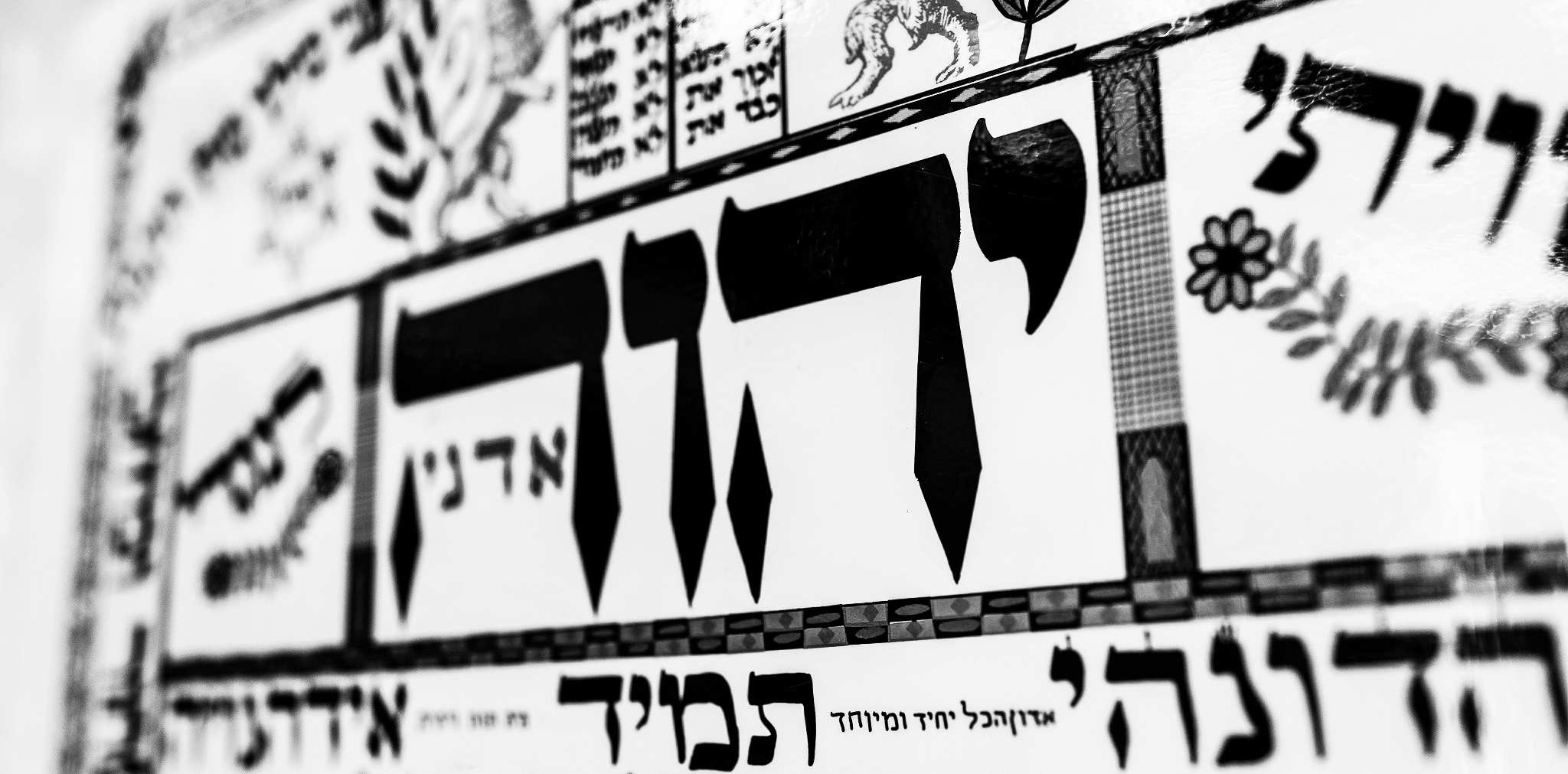
 In the Torah portion for Rosh Hashanah (i.e., parashat Vayeilech), Moses announced his impending death and transferred the leadership of the Jewish nation to Joshua (יְהוֹשֻׁעַ), a type of Messiah who would bring Israel into the promised land. Moses continued his speech, and foresaw that despite his appeals the people would turn away from the covenant, which would cause God’s face to turn away: “And hiding I will hide My face on that day, because of all the evil they have committed” (Deut. 31:18). The sages note this verse is grammatically unusual because of the double use of the word “hide” (i.e., הַסְתֵּר אַסְתִּיר פָּנַי). God hides the fact that He is in hiding… If you do not know that God is “hiding,” you will not seek for Him; and if you feel within your heart that God is hiding, you are invited to return to Him, as King David said, “For you have said to my heart, ‘Seek my face;’ and my heart has said to You, ‘Your face, O LORD, will I seek.’
Author: John J Parsons
Teshuvah’s Confession…
 From our Torah (Nitzavim) we read: “The word is very near you; it is in your mouth and in your heart, so that you can do it” (Deut. 30: 14). What “word” is this other than the confession of faith in the LORD? Faith is the key, since it responds to God’s voice and receives the message of hope within the heart… Faith is a matter of the will: of choosing to receive the blessing, accepting that you are accepted, and trusting God’s passion for your life. “Consider Abraham; he believed God and it was credited to him as righteousness” (Gal. 3:6). Faith itself is the obedience of Torah, the necessary precondition for all that follows. “I am the LORD your God” (אָנכִי יְהוָה אֱלהֶיךָ) is the very First Commandment. When we turn to the LORD, we esteem him as truthful, just, wise, compassionate, and worthy of our trust. “Let us then with confidence (μετὰ παρρησίας) draw near to the throne of grace (כִּסֵּא הֶחָסֶד), that we may receive mercy and find grace to help in time of need” (Heb. 4:16). Faith is teshuvah’s confession of the reality of love…
The students of the maggid of Zlotchov once asked him, “In the Torah we read that our father Abraham kept all the laws (Gen. 26:5), but how could this be, since they had not yet been given to him?” The maggid replied, “All that is needed is to love God. If you are about to do something and you think it might lessen your love, then you know it’s a sin; but if you think it will increase your love, then you know it’s in keeping with God’s will. That’s what Abraham did.” Amen. Faith is the confession of God’s love. Abraham was justified by faith because he trusted in God’s love more than anything else, and that is the essence of Torah. “Now abide faith, hope, love, these three, but the greatest of these is love” (1 Cor. 13:13).

- Song 6:3 Hebrew page (pdf)
…
The Book of Life…
 The Scriptures teach that every word we speak and every choice we make are infallibly recorded in “heavenly scrolls,” and one day these scrolls will be opened as a testimony about what we did with our lives (Dan. 7:10; Matt. 12:36-37; 1 Cor. 3:13, 4:5). “And I saw the dead, both the great and the small, standing before the throne, and books were opened. Then another book (סֵפֶר אַחֵר) was opened, which is called the Book of Life (סֵפֶר הַחַיִּים). And the dead were judged by what was written in the books, according to what they had done” (Rev. 20:12).
Celebrate God’s Love…
 Yeshua said the kingdom of heaven could be likened to a king who gave a wedding feast for his beloved son. Those who were invited made one excuse after another why they could not attend, so the disappointed king then instructed his servants to “go out quickly to the streets and lanes of the city, and bring in the poor and crippled and blind and lame… and compel everyone you find to come in, so my house may be filled.” God loves people and implores them to personally join in the celebration of his love, to partake of the marriage feast of Lamb (Rev. 19:7). But note that this means that we are to bring all the lame, broken, and fearful parts of ourselves to the banqueting table of God’s love… The courage to “come to the table” only comes from a sense of being welcomed and accepted, that is, by trusting that you are truly made safe by God’s love….
The Strength of Praise…
 If you are having a tough day today, or if you feel oppressed, lonely, or heavy of heart, let me encourage you to praise God anyway… Offering thanks to the LORD is a powerful weapon for announcing God’s triumph over the darkness of the present hour (2 Cor. 10:4). Indeed, the Lord is “enthroned” by the praises (תְּהִלּוֹת) of His people (Psalm 22:3). Therefore give voice to your hope and confidently affirm: “Behold, God is my salvation (i.e., my yeshua, my “Jesus”); I will trust, and will not be afraid; for the LORD God is my strength and my song, and he has become my salvation” (Isa. 12:2).
Confession and Healing…
 It is written in our Torah (Tazria): “When a person (i.e., adam: אָדָם) has on the skin of his body a swelling (שְׂאֵת) or a scab (סַפַּחַת) or a bright spot (בְּהֶרֶת)… he shall be brought to the priest” (Lev. 13:2). Here the sages note three common afflictions that befall the “children of Adam”: swelling (arrogance), scabs (worldly vanity, from a word that means to join together), and bright spots (representing the light of carnal reasoning to understand the ways of God). When we see only the affliction, we must go to the priest – to one who helps mediate the Divine Presence – to see how deep the affliction is… Symbolically, since we are all priests to one another (see Exod. 19:6; 1 Pet. 2:5,9; Rev. 1:6), we share our afflictions with one another, allowing ourselves to be seen, and to confess our need for healing. We are only as sick as the secrets we keep, and therefore we are encouraged to share our struggles with one another: “Therefore, disclose (ἐξομολογέω, lit. ‘confess out’) your sins to one another and pray (εὔχομαι) for one another, that you may be healed…” (James 5:16).
Followers of Yeshua are intended by God to be healers (Luke 9:1). The most common word for healing in the New Testament is therapeuo (θεραπεύω), a word that means to serve, to care for, and to restore to health. Unlike some ministers who draw crowds to demonstrate the power of miraculous “faith healing,” true spiritual healers take the time to listen to others, to hear their inward pain, and to extend compassion and grace to them. They help open the inner eyes of the heart by extending hope and a new vision about what is real… Indeed, lasting healing focuses less on being cured than on finding hope that will never die.
The Torah connects disease (i.e., tza’arat) with evil speech and thinking. Healing comes through doing teshuvah, that is, by confessing our sin and turning to God for forgiveness, as it says: “He forgives all your iniquities, he heals all your diseases” (Psalm 103:3).

- Psalm 103:3 study page (pdf)
Teruah and the Resurrection…

Rosh Hashanah literally means the “head of the year,” and it traditionally marks the anniversary of the creation of mankind. The sages note that where it is written, “When you take a census of the children of Israel” (Exod. 30:12), the Hebrew reads, “When you lift up the heads (כִּי תִשָּׂא אֶת־ראשׁ) of the children of Israel,” which implies that each person should be encouraged to understand that they “count” in the eyes of Heaven. The sages also note that the word “Israel” (יִשְׂרָאֵל) contains the letters that form the phrase li rosh (לִי ראשׁ), “there is to me a head,” that is, a soul created in the image of God.
The Blessing of Struggle…
 Recently I mentioned that we are part of a seemingly endless journey of falling down and getting back up once again. It is this struggle, this “good fight of faith,” that eventually ennobles the heart and establishes character… The hidden blessing of our repeated failure, then, is that we attain genuine humility as we rely on God for the miracle of deliverance. When we draw near to God in confession of our weakness, we may discover that our struggle disguises unacknowledged need within. For example, we might wrestle with sexual lust, but this may come from refusing to trust others or because we are harboring resentment… “Hurt people hurt people,” which means that often our sins come from a place of inner pain of abandonment. When we confess the truth we are enabled to draw close to God – the God of Truth – to discover his mercy. Those things you believe make you unlovable are the very means by which God manifests the glory of His compassion and love for you. “It is not judgment that breaks the heart, but mercy and love.”
Rosh Hashanah and the Lamb…
 In the Torah we find that the word “love” (i.e., ahavah) first appears regarding Abraham’s passion for his son: “Take your son, your only son Isaac, whom you love (אֲשֶׁר־אָהַבְתָּ), and go to the land of Moriah, and offer him there as a burnt offering on one of the mountains of which I shall tell you” (Gen. 22:2). After journeying to the place, Abraham told his child that God would provide a lamb (אֱלהִים יִרְאֶה־לּוֹ הַשֶּׂה), and then bound Isaac, laid him upon an altar, and raised his knife to slay him (Gen. 22:8-10). At the very last moment, the Angel of the Lord called out: “Abraham! Abraham! Do not lay your hand on the lad or do anything to him, for now I know that you fear God, seeing you have not withheld your son, your only son (בֵּן יָחִיד), from me” (Gen. 22:11-12). Abraham then “lifted up his eyes” and saw a ram “caught in a thicket” which he offered in place of his son. Abraham then named the place Adonai-Yireh (יהוה יִרְאֶה), “the LORD who provides” (Gen. 22:14). The sacrifice of the lamb for Isaac portrayed the coming sacrifice of Yeshua, the great “Lamb of God” (שֵׂה הָאֱלהִים) who would be offered in exchange for the trusting sinner (John 1:29). Indeed the story of how God provided the lamb at Moriah (and later during the Passover in Egypt) foreshadowed the greater redemption given in Messiah at the “Passover cross,” and may be understood as the “Gospel according to Moses” (Luke 24:27; John 5:46). Therefore, Rosh Hashanah, or the Day of Judgment (יוֹם הַדִּין), is all about our Messiah, and the sound of the shofar reminds us of the Lamb of God who was offered in our place…
Ever-Present Mercy…
 Since Rosh Hashanah is known as the “Day of Judgment” (i.e., yom ha’din: יום הדין), it is customary to offer additional prayers of supplication (selichot) before the advent of the holiday. These prayers appeal to God’s compassion and often include the recitation of “shelosh esrei middot rachamim,” that is, the thirteen attributes of God’s mercy (Exod. 34:6-7). The thirteen attributes reveal the inner meaning of God’s Name YHVH (יהוה) disclosed to Moses after the people had committed the dreadful sin of the worshiping the golden calf (עגל זהב) at Sinai. God is not only our Judge and Lawgiver (Elohim), but our Savior and our Healer (Moshia). In his great mercy He restores what we have broken; He overcomes our judgment by means of his abounding love given to us in Yeshua (Psalm 85:10). We therefore appeal to YHVH as the Source of Compassion, the “breath of life” (נִשְׁמַת חַיִּים) that was imparted to Adam on the day he was first created (Gen. 2:7).