 One of the great Hebrew names of God is El Elyon (אֵל עֶלְיוֹן), often translated as “God Most High.” The name first appears in the Torah regarding the mysterious figure of Malki-Tzedek (מַלְכִּי־צֶדֶק), the timeless king and priest of Zion who served “bread and wine” to our father Abraham – alluding to the sacraments later used to commemorate our redemption (Gen. 14:18). As the timeless king and priest of God, Malki-Tzedek is a “theophany,” or a revelation of the LORD our God Yeshua before He emptied Himself and made his descent to this world (Phil. 2:7; Heb. 7:3). Yeshua is our great King of Kings and High Priest of the New Covenant, a better covenant that restores the kingship and priesthood back to God Himself (Heb. 7:12).

…
Now the Hebrew term “Elyon” itself (עֶלְיוֹן) comes from a root word (עָלָה) that means “to ascend” or “to lift up.” For instance, an “olah offering” (עלָה) is a whole burnt offering that ascends upward to heaven, and “aliyah” (עֲלִיָּה) means “going up” to the land of Israel. The word “Elyon,” then, expresses the truth that the LORD is the Resurrected One who overcame all the powers of hell and utterly vanquished death’s power. In other words, Elyon is a name for the LORD our God Yeshua.
The sages say that Moses wrote Psalm 91 as he dwelt in the secret place (סֵתֶר) of the Most High God, in the “midst of the dark cloud” (Exod. 24:18), a place of sacred and holy concealment. The thick clouds are a “hiding place” for him (Job 22:14). Notice that the one who “abides” in the secret of the Most High dwells in an ascended place of rest – being lifted up above the surrounding madness of this fallen world of flux and shadows. The Hebrew word means to lodge or to “sleep” (לִין), connecting it metaphorically with death and resurrection. By dwelling in the death and resurrection of Yeshua, God will shield you with His Presence and make evil powerless before you.
Since God hides Himself in this world (Isa. 45:15), we must humbly seek His face to enter into the place of His holy concealment in all things. God is Elyon – High above – but He dwells “with the lowly and the broken of heart” (Isa. 57:15). Therefore the LORD our God is called Shaddai (שַׁדַּי) – our Sustainer, Provider, Refuge, and Home. Just as we can be surrounded by the “shadow of death” (tzal mavet), so we can be surrounded by the “shadow of Shaddai” (tzal Shaddai). Like a powerful eagle brooding over her chicks, so Shaddai covers you with wings of protection (Psalm 91:4).
When you “abide” in the secret of Elyon – the Ascended One – you are concealed by the dark clouds of His Glory, and the Presence of Shaddai overshadows you… The LORD will save you from the ensnaring trap and from the devastating pestilence (Psalm 91:3). By abiding in the truth that God’s Presence pervades all things at all times – you become a “stranger” (גֵּר) with the LORD in this world, a “sojourner” (תּוֹשָׁב) who awaits the recompense of the wicked and the healing of the world at the end of the age. “You will tread on the lion and the adder; the young lion and the serpent you will trample underfoot” (Psalm 91:13).
…
 I’ve mentioned before that the Hebrew word “mitzvah” (מִצְוָה) is often translated as “commandment,” though its basic idea is about our connection to God (i.e., the root צוה means to “bind” or “unite”). Being connected with the Almighty means making time to get alone to talk with him, relating to him as your Heavenly Father, and trusting that he genuinely esteems you as his beloved child. Whatever else you may think about the commandments of God, this idea of a love connection is foundational and essential. The very first of the Ten Commandments is Anochi Adonai Elohekha (אָנכִי יְהוָה אֱלהֶ֑יךָ), “I am the Lord your God,” which invites you to open your heart to receive the touch of the Spirit of God. There is no love like that of the Lord, but you simply can’t feel that love if you don’t speak to Him, pouring out your heart and clinging to the truth of his love for you….

 Ambivalence has been defined as wanting two different and opposing things at the same time, and therefore is a state of inner conflict… For example, you may want to be kind and loving toward someone who has hurt you, but you may also harbor resentment or even want revenge; or you may want to abstain from a forbidden pleasure, yet you find yourself inwardly hungering for it anyway. When we feel pulled in two different directions or have mixed feelings, we are being called near to God to find help.

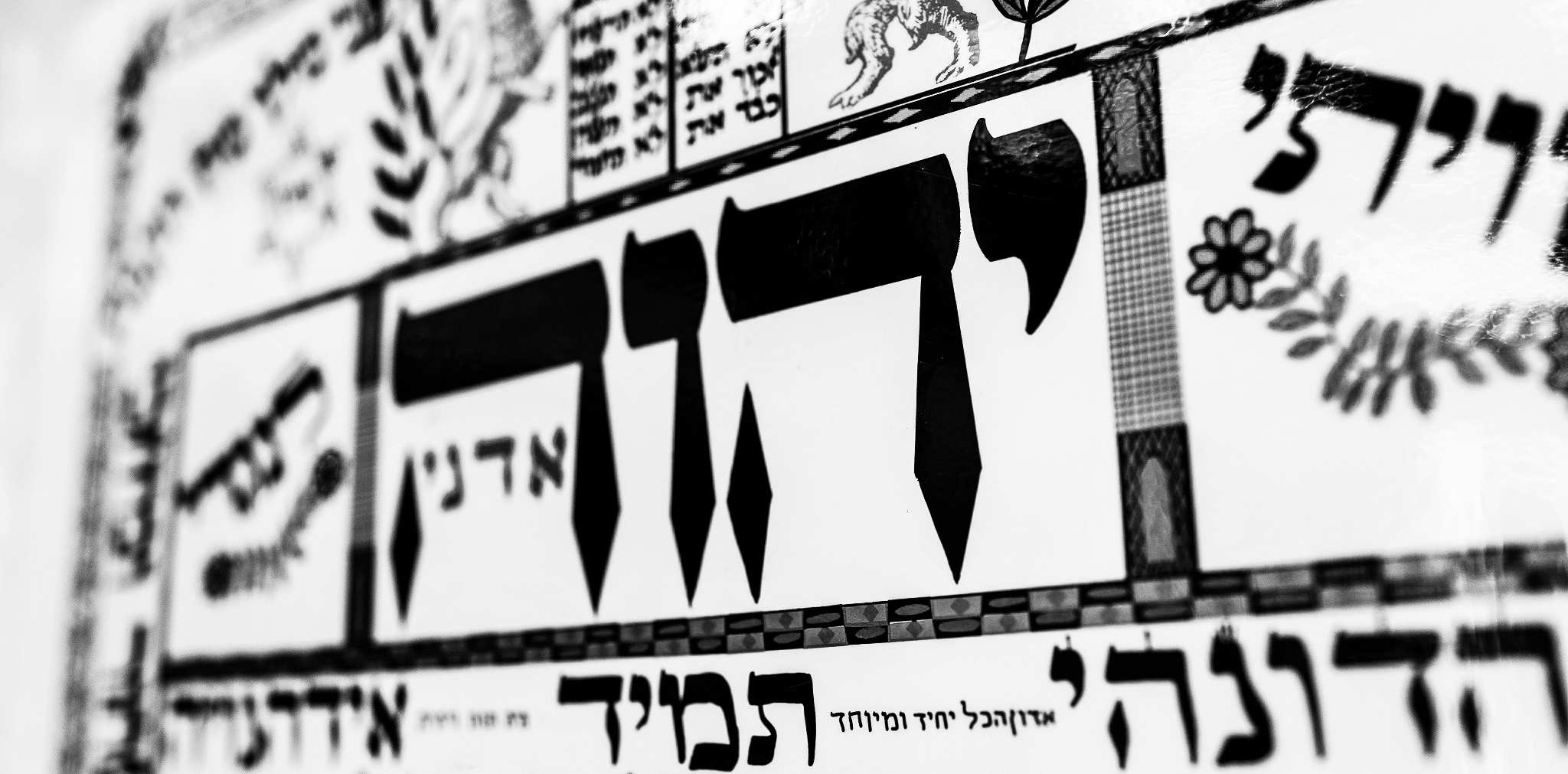
 The goal of the devil, the “prince of the power of the air,” has always been to enslave people in dark places of fear, anger, bitterness, and pain. His primary weapon is deception, that is, various lies by which he captivates people and makes them tools for his evil purposes. We are able to resist the power of the lie by submitting to the truth about Reality (James 4:7). God’s Name YHVH (יהוה) means “Presence” and “Love,” and there is no power in heaven or earth that can overrule His hand. Therefore even if the prophesied “End of Days” were to begin this very hour, our responsibility is to focus on the Divine Presence and to walk in His truth and love. As King David said, “I have set the LORD always before me; because He is at my right hand, I shall not be shaken” (Psalm 16:8).


 In last week’s Torah reading (i.e.,


 Some people imagine spirituality as a climb upward, an “ascent of the soul” that aims to reach God through the performance of good deeds or religious rituals. But God does not say “at the end of the way you will find me,” but rather, “I AM the way, the very road under your feet, the Place (הַמָּקוֹם) where you are, the Bridge to the Father (John 14:6). “For all things come from You (כִּי־מִמְּךָ הַכּל), and from your hand we give to you” (1 Chron. 29:14). The LORD is Present in every “here” and every “now,” the Source of all we are. And no matter what our circumstances, we will find God if we search “bekhol levavkha” – with all our being, as it is written: “You will seek me and find me, when you seek me with all your heart.”