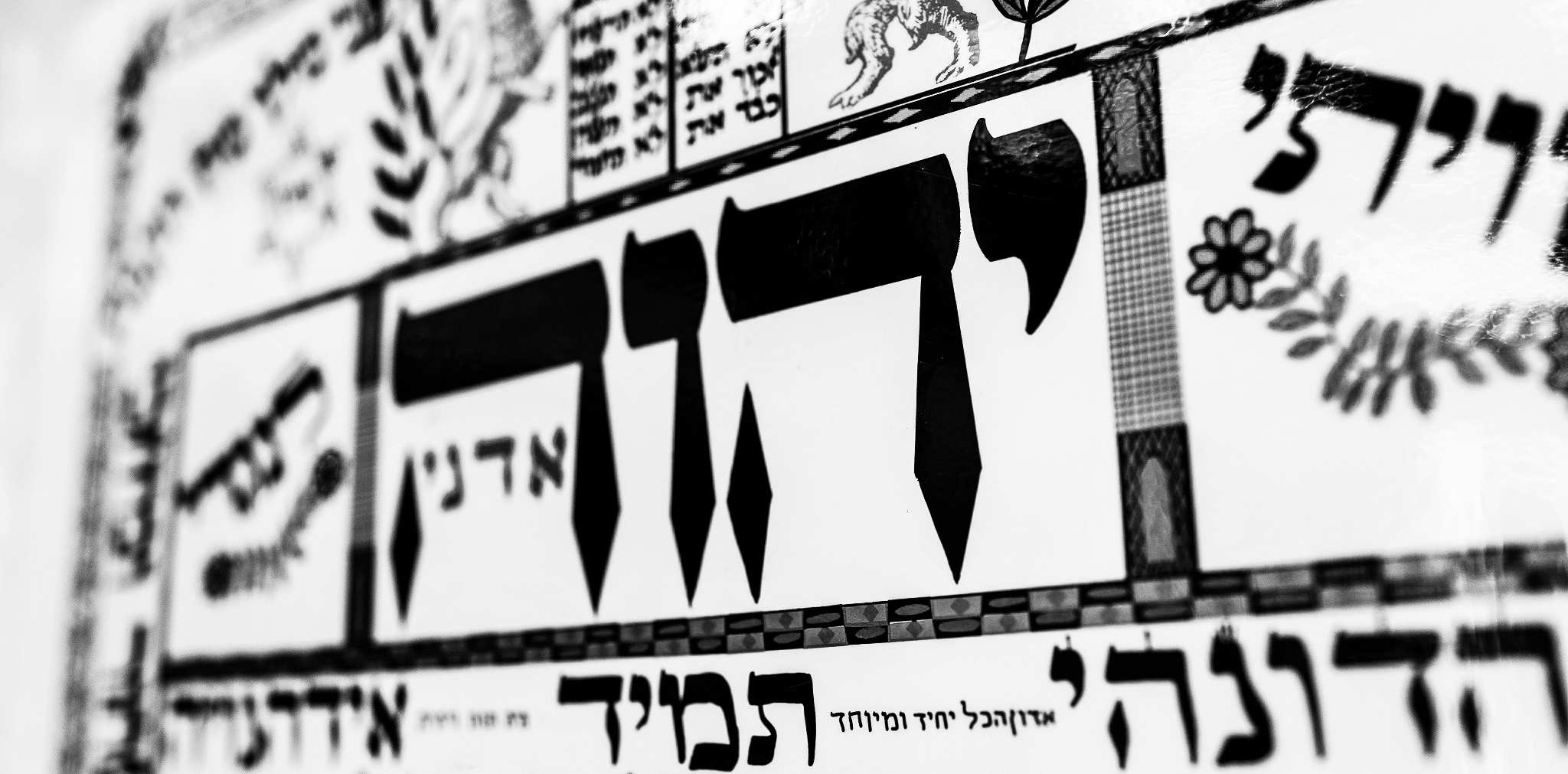
 The Chanukah holiday is now over, chaverim, though may its message pervade our souls every day, as we dedicate our lives to serving the Lord and choose to walk in His light… Amen, we are chosen to be a “kingdom of priests,” a set-apart people, and a light to the nations (Exod. 19:6; Isa. 42:6; 1 Pet. 2:9). Note the very first responsibility given to the priests was to care for the ner tamid (נר התמיד), the light of the Menorah (Exod. 27:20-21), which represents our consciousness of the Divine Presence (Psalm 18:28; 36:9). The challenge we all face is to remain “in the light as God is in the light” and not to be seduced by the world of fleeting appearances (Isa. 2:5; 1 John 1:7, 2:17). God’s eternal light radiates through all things (Isa. 6:3; Psalm 139:11-12), just as the great “yehi ohr” (יְהִי אוֹר) – “Let there be light” – is the first word spoken to creation (Gen. 1:3). To be a priest means being so filled with the truth that you radiate peace; your inner light shines and you glorify your Father in heaven (Matt. 5:16). That is how we draw others to the truth, by receiving the beauty of the LORD (Psalm 27:4).
Of course being a “witness to the light,” that is, being a “priest,” does not mean you are a “perfect person” who walks about with a blissed-out attitude despite the various trials and tests we all face in this life. No, we all still sin, and we therefore need to confess the truth of our condition to abide in the light (1 John 1:9; James 5:16). Like everything else in Scripture, here we encounter paradox, as Yeshua taught: “Blessed are the impoverished in spirit (πτωχοὶ τῷ πνεύματι), for theirs is the kingdom of heaven; blessed are the ones who mourn (οἱ πενθοῦντες), for they shall be comforted; blessed are the meek (οἱ πραεῖς), for they shall inherit the earth” (Matt. 5:3-5). Yea, “God chose what is foolish in the world to shame the wise; God chose what is weak in the world to shame the strong, God chose what is low and despised in the world, even things that are not, to bring to nothing things that are, so that no human being might boast in the presence of God” (1 Cor. 1:27-29).
 Though the whole earth is filled with the miracles and glory of the LORD, we must choose to see, to open our hearts, and to become God’s partners in calling forth goodness and truth. God is the Source of all Light and truth, and therefore we first turn to receive his radiance within our heart. As Yeshua said, “Let your light so shine before others, that they may see your good works and glorify your heavenly Father” (Matt. 5:16).
 “God is Light; in Him there is no darkness at all” (1 John 1:5). Yeshua said: “I am come a light into the world, that whoever believes in me should not abide in darkness” (John 12:46). The ultimate message of
 It has been said that the Greek mindset regards what is beautiful as what is good, whereas theHebraic mindset regards what is good as what is beautiful. The difference is one of orientation. Doing our duty before God, in other words, is what is truly beautiful, not merely appreciating the appearance of symmetry, order, and so on. This explains why moral discipline (i.e., musar, מוּסָר) is so prominent in Hebrew wisdom literature. True beauty cannot exist apart from moral truth.

 In the Gospel of John it is recorded that Yeshua said, “I am the way, the truth, and the life” (i.e., ᾽Εγώ εἰμι ἡ ὁδὸς καὶ ἡ ἀλήθεια καὶ ἡ ζωή; John 14:6). The Greek word translated “truth” in this verse is aletheia (ἀλήθεια), a compound word formed from an alpha prefix (α-) meaning “not,” and lethei (λήθη), meaning “forgetfulness.” (In Greek mythology, the “waters of Lethe” induced a state of oblivion or forgetfulness.) Truth is therefore a kind of “remembering” something forgotten, or a recollecting of what is essentially real. Etymologically, the word aletheia suggests that truth is also “unforgettable” (i.e., not lethei), that is, it has its own inherent and irresistible “witness” to reality. In that sense light is a metaphor for truth: “The light shines in the darkness, and the darkness has not overcome it” (John 1:5). People may lie to themselves, but ultimately truth has the final word.


 The American holiday of Thanksgiving (חַג הַהוֹדָיָה) undoubtedly has its roots in the Jewish tradition of giving thanks to God, and some historians believe that the early “pilgrims” actually derived the idea for the holiday from the Biblical festival of Sukkot (i.e., “the feast of Tabernacles”). Before fleeing to the “New World,” the pilgrims lived for a decade among the Sephardic Jews in Holland, since Holland was considered a safe haven from religious persecution at the time. Since the pilgrims were devout Calvinists and Puritans, their religious idealism led them to regard themselves as “new Israel,” and it is likely that they learned that Sukkot commemorated the people of Israel’s deliverance from their religious persecution in ancient Egypt at that time. After they emigrated to the “Promised Land” of America, it is not surprising that these pilgrims may have chosen the festival of Sukkot as the paradigm for their own celebration. As the Torah commands: “Celebrate the feast so that your generations may know that I made the people of Israel dwell in booths when I brought them out of the land of Egypt: I am the LORD your God” (Lev. 23:39-43). The highly devout pilgrims regarded their perilous journey to the new world as a type of “Exodus event” and therefore sought the appropriate Biblical holiday to commemorate their safe arrival in a land full of new promise…
 Regarding the pagan holiday of “Halloween,” remember that there is no “spell” or evil incantation (i.e., nachash: נַחַשׁ) effective against Jacob, there is no sorcery (i.e., kesem: קֶסֶם) against Israel. At this time it must be said of Jacob and of Israel, ‘Look at what God has done (מַה־פָּעַל אֵל)’ [Num. 23:23]. No weapon formed against God’s people shall prosper (Isa. 54:17), and the curse of the wicked is powerless against the tzaddikim (Prov. 26:2). Ein od milvado (אֵין עוֹד מִלְבַדּו) – God is the only true Power (Deut. 4:35; 1 Chron. 29:11; Rev. 4:11). Satan is an impostor and a foiled usurper. As Yeshua told his followers, “Behold I give to you authority (ἐξουσία) to tread on serpents and scorpions and over all the power of the enemy (καὶ ἐπὶ πᾶσαν τὴν δύναμιν τοῦ ἐχθροῦ), and nothing shall by any means hurt you” (Luke 10:19). Like Balaam and Haman, all who curse God’s people or attempt to foil His plans will be upended… Hallelujah and Amen.

