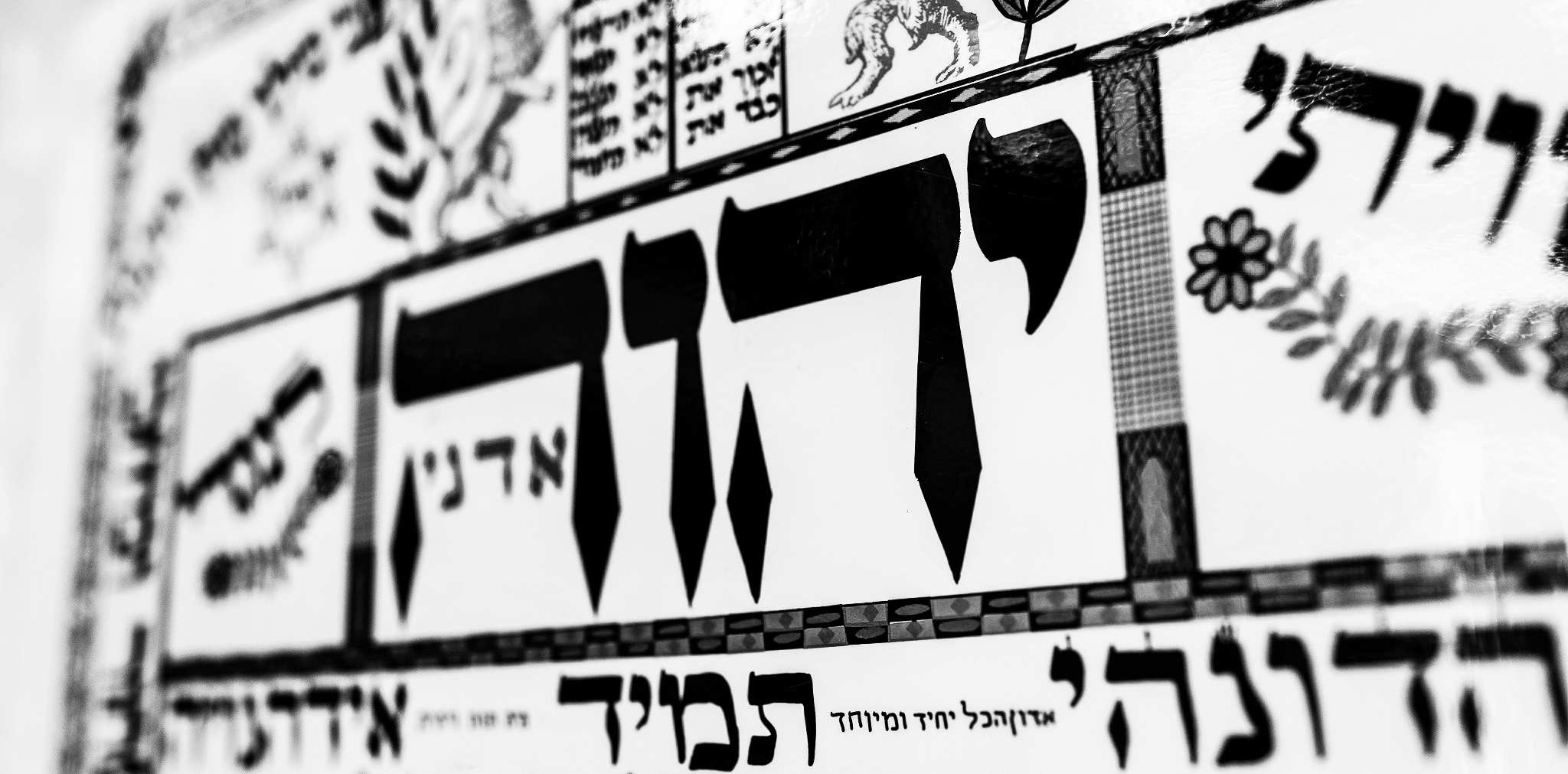
 Despite the fact that Torah plainly describes Noach as אִישׁ צַדִּיק / ish tzaddik: “a righteous man,” “blameless in his generation” (תָּמִים הָיָה בְּדרתָיו), and a man who “walked with God” (אֶת־הָאֱלהִים הִתְהַלֶּךְ־נחַ), Jewish tradition takes a somewhat ambiguous view of him, especially when he’s compared to Abraham, the father of the Jewish people… In the Midrash Tanchuma (מדרש תנחומא), for example, it is said that Noach was righteous “in his generation” — though he would not be so regarded in other generations. In other words, Noah was “relatively righteous” compared to the world at large, at least according to sages like Rashi, Maimonides, etc. However such an assessment is surely unfair, lashon ha’ra, and even chillul HaShem! After all, is not Noah ben Lamech perhaps one of the greatest examples of a person of faith given in the Torah? He was a descendant of the godly line of Seth who lived in a world filled with rampant and unbridled wickedness (Gen. 6:5), and yet he found grace in the eyes of the LORD (מָצָא חֵן בְּעֵינֵי יְהוָה) because of his faith as he walked with God (Gen. 6:8-9). Indeed the very first time the word “grace” (חֵן) appears in the Torah concerns Noah: “Noah found grace in the eyes of the LORD” (ונח מצא חן בעיני יהוה) — a phrase later ascribed to Moses himself (Exod. 33:12, 17).
Category: Hebrew Reading Lesson
Reading Hebrew exercises and practice verses
Idolatry and Rage…
 We are warned not to destroy ourselves by allowing bitterness, anger, or fear to consume our hearts. In the Torah we read: “And you shall not bring an abominable thing (תּוֹעֵבָה) into your house and become devoted to destruction like it” (Deut. 7:26). The sages of the Mishnah said that yielding to rage is equivalent to idol worship and should never be brought into the home. Indeed, rage is linked with avodah zarah – idolatry – because it exalts the ego and claims that God can’t (or won’t) help you in your moment of testing or need. Being quick to anger reveals the presence of foolishness within the heart:

…
Seeing the yet-unseen…
 Just as Noah foresaw the great cataclysm to come, so we are to understand that the world above our heads and under our feet is destined to destruction, as we likewise await the promised world to come: “Lift up your eyes to the heavens, and look at the earth beneath; for the heavens vanish like smoke, the earth will wear out like a garment, and they who dwell in it will die in like manner; but my salvation will be forever (וישׁוּעָתִי לְעוֹלָם תִּהְיֶה), and my righteousness will never be dismayed” (Isa. 51:6).
The Call to Faith…
 An implication of genuine faith in the LORD is the realization that your life is a sacred trust and therefore everything matters… Nothing is trivial; nothing is inconsequential. In the world to come you will be shocked to understand that everything you thought, everything you said, and everything you did was given to you from above, and therefore has tremendous significance (Matt. 12:36-37). Indeed, your entire life is on loan from heaven itself. Therefore “seek first the kingdom of God and His righteousness…” (Matt. 6:33). Faith invests all of the heart to the journey at hand; it seeks God’s presence in all things and trusts God in all its ways (Prov. 3:5-6). “The present form (τὸ σχῆμα) of this world is passing away” (1 Cor. 7:31), and the heart of faith looks for a city whose designer and builder is God Himself (Heb. 11:10). “So we do not lose heart… For the things that are seen are turning to dust, but the things that are unseen endure forever” (2 Cor. 4:16-18).
Our Father, Our King…
 “Blessed are you, O LORD God of Israel our Father, forever and ever. Yours, O LORD, is the greatness and the power and the beauty and the victory and the majesty, for all that is in the heaven and in the earth is yours. Yours is the kingdom, O LORD, and you are exalted as head above all” (1 Chron. 29:10-11). Amen, amen. In light of this blessed truth, then, what is it but unbelief that incites us to fear, to become anxious, frustrated, angry, and to seek to control outcomes?
Olam Malei – An Entire World…
 God made you entirely unique, and no one else was created for the special role that you have in the overarching plan of Almighty God… Jewish tradition says that God created Adam alone as “olam malei” (עוֹלָם מָלֵא), “an entire world,” to teach that each individual is of great value and significance. “Thus anyone who sustains one individual has sustained the world; and anyone who destroys one individual has destroyed an entire world” (Sanhedrin 37a). In addition, God created man as a solitary creation to remind us that all people descend from a common source: No one has a greater or better lineage or “pedigree” than anyone else. Moreover, each of us is created with a radical sense of “aloneness,” a built in “hunger” for relationship and especially for God’s presence.
Design and Substance…
 “In the beginning God created the heavens and the earth, and the earth was tohu va’vohu – without form and empty, and darkness was over the face of the deep…” (Gen. 1:1-2). The sages comment that knowing that God created the heavens and the earth makes us realize that by themselves earthly things are without purpose and substance, since life in the natural world is havel havalim (הֲבֵל הֲבָלִים), “vanity of vanities,” apart from the design (form) and the substance of God. Faith in the upper “world” of God, that is, the heavenly realm, therefore evokes a sense of discontent and longing within the soul, and the temporal world and its pleasures will seem distracting and empty. This lack of form and emptiness was part of the original design of creation, however, since it was after God had created the universe that “he saw everything that he had made, and behold, it was very good” (Gen. 1:31).
Mystery and Creation…
 Why is there something rather than nothing? Why does anything exist at all? These are basic questions about the meaning of life. Where do we come from? What are we? Where are we going? “God created the universe,” you say, yes, but exactly why did He do so? What purpose did he have in mind? In particular, why were you created? What is the purpose of your life? What do you hope to achieve with the limited amount of time you have on this earth? Such questions brood within the soul, even if they are hidden from consciousness by various forms of busyness and distraction. At the outset of serious thinking about anything at all we are confronted with such ultimate questions. What is real? Why are we here? Where are we going? What does God want from us?
“Where am I? Who am I? How did I come to be here? What is this thing called the world? How did I come into the world? Why was I not consulted? And If I am compelled to take part in it, where is the director? I want to see him.” – Soren Kierkegaard
Seeing the Unseen…
The Torah begins with the letter Bet (בּ), representing the number two, because God created not one world, but two. There is the realm of this world, called olam ha-zeh (עוֹלָם הַזֶּה), and there is the realm of the world to come, called olam ha-ba (עוֹלָם הַבָּא). The letter Bet therefore represents a two-fold house (בַּיִת) – the “house” of physical creation and the “house” of spiritual reality. The letter itself is formed from three Vavs (ו), which add up to 18, the same value for the word chai (חי), or “alive.”
“We walk by faith, not by sight…”
Midst of the Whirlwind…
For reasons not explained in Scripture, God chose to begin creating the world in chaos: תהוּ וָבהוּ וְחשֶׁךְ / tohu vavohu ve’choshekh: “confusion and emptiness and darkness” (Gen. 1:2). From chaos and darkness God would shine forth light – indeed, the divine light was the first of all God’s creations (a counterpart of the “Light of the World” Himself): יְהִי אוֹר וַיְהִי־אוֹר / yehi or, vayhi-or: “Let there be light, and there was light” (Gen. 1:3). God’s handiwork in creation, then, first involves His mastery over chaos…
God speaks from the midst of a whirlwind (סְעָרָה, “tempest”), demonstrating that He is LORD over the seemingly chaotic world around us (Job 40:6). “Greek-minded” theology is more inclined to seek after “Apollo” (the pagan ideal of harmony and order) than the seemingly chaotic ways of the LORD God of Israel. We often want some sort of “systematic theology” and for God to be explained to us in an orderly, logical way. There is danger here that we forget that the LORD is called Esh Okhlah (אֵשׁ אכְלָה), a “consuming Fire” (Deut. 4:24, Heb. 12:29). God’s thoughts are not our thoughts, neither are His ways our ways (Isa. 55:8-9). As the prophet Isaiah also said: יוֹצֵר אוֹר וּבוֹרֵא חשֶׁךְ עשֶׂה שָׁלוֹם וּבוֹרֵא רָע אֲנִי יְהוָה עשֶׂה כָל־אֵלֶּה / “I form the light, and create darkness: I make peace, and create woe; I the LORD do all these things” (Isa. 45:7).
We live in fearful times, chaverim. People are afraid of losing their money, their health, their freedoms, and so on. But we must be careful here. The fear of “losing control” can move us to anger, yet the sages liken anger to idolatry since it denies the providence of God in our lives (i.e., hashgacha pratit: השגחה פרטית). Anger over the apparent chaos of life implies that we don’t really believe that God is in control — that He is speaking “from the midst of the whirlwind” — and therefore we feel aggrieved and perhaps embittered by what might happen to us. We must look to God as the Master of the storms of life and draw closer to Him in trust. The Scriptures affirm that for those who love God “all things work together for good” – gam zu l’tovah – even if the present hour seems incomprehensible and even dangerous (Rom. 8:28-39).
Yeshua warned us not to live in fear of man, but rather to live in fear of God (Matt. 10:28). The worst that man can do is “kill the body” but he has no real power over the soul… Tribulation – the “squeezing of grapes” – is part of the life of faith, but we are invited to come “boldly” before the Throne of Grace (παρρησίας τῷ θρόνῳ τῆς χάριτος) to find help for our lives (Heb. 4:16). Note that the word translated “boldly” in this verse (παρρησίας) means that we can speak freely to God from the center of the chaos of our hearts — without fear or shame. We don’t need to conceal ourselves from the Divine Light, since this is the very Light that overmasters the “tohu va’vohu” chaos of creation! Those who accept that God is in complete control of their lives are set free from the terrible burdens of fear and outrage. Abiding in ahavah shlemah (אַהֲבָה שְׁלֵמָה, God’s “perfect love”) means that you can let go.
May God help us all remember: חֶרְדַּת אָדָם יִתֵּן מוֹקֵשׁ וּבוֹטֵחַ בַּיהוה יְשֻׂגָּב / “The fear of man lays a snare, but whoever trusts in the LORD will be made safe” (Prov. 29:25). Note that this “fear of man” is not just the fear of external dangers but more deeply is the fear we embrace within of our hearts – our own insecurity that undermines our faith…. May the LORD help us abide in His perfect love, free from the ravages of fear, anger, and anxiety. Amen.

…