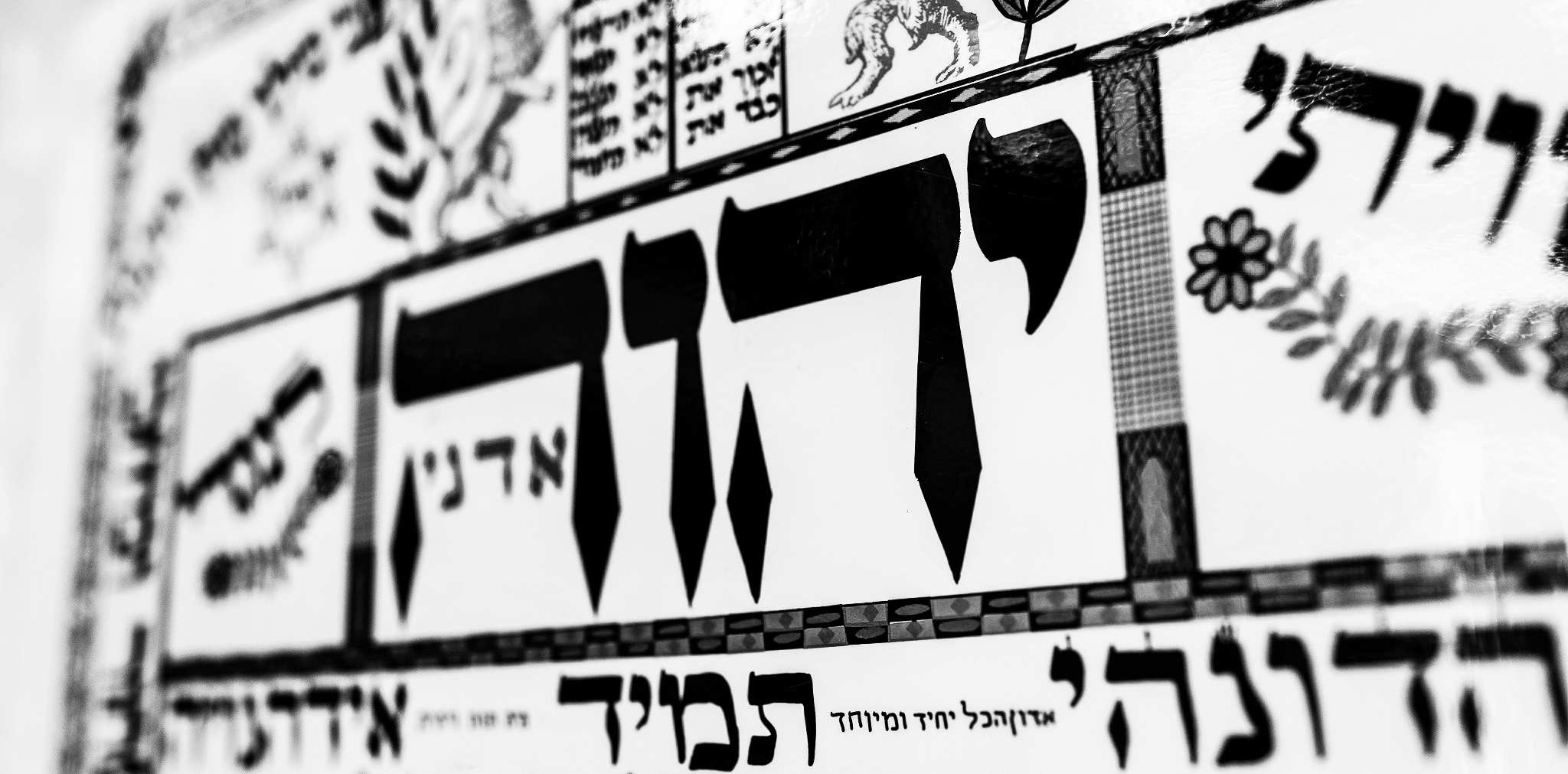
 Our Torah portion for this week, parashat Bamidbar (בְּמִדְבַּר), begins the Book of Numbers, where the narrative begins precisely where the Book of Exodus left off, with the glory of the LORD hovering over the Mishkan (Tabernacle) as the Israelites were stationed at Sinai. On the first day of the thirteenth month following the Exodus from Egypt – exactly thirty days after the Tabernacle was first consecrated – God commanded Moses to take a census of all Israelite males over 20 years of age who would bear arms. Moses and the heads of each tribe recorded the results, with 603,550 men in all. This number did not include the Levites, however, since they were designated to take care of the Tabernacle and its furnishings during the journeys.
In addition to an overview of the Book of Numbers, this audio discusses the holiday of Shavuot (“Pentecost”) and our journey of faith through the desert of this world…
Bamidbar Podcast:

 Shavuah Tov, chaverim! This week we will read the last two portions of the great Book of Leviticus (ספר ויקרא), namely,
 Our Torah portion this week (
 According to tradition, Moses descended from Sinai (with the second set of tablets) on
 Our Torah reading for this week is
 “Let them make me a mikdash (“holy place,” “sanctuary”), that I may dwell in their midst” (Exod. 25:8). Though this verse refers to the physical mishkan (i.e., “Tabernacle”), it more deeply refers to the duty of the heart to sanctify the Name of God and bring a sense of holiness to the inner life. This requires that we focus the mind and heart to honor the sacredness of life, taking “every thought captive” to the truth of God in Messiah (2 Cor. 10:5). Since our minds and hearts are gateways to spiritual revelation, we must be careful to not to abuse ourselves by indulging in sloppy thinking or unrestrained affections. God holds us responsible for what we think and believe (Acts 17:30-31), and that means we have a duty to honor moral reality and truth. There is an “ethic of belief,” or a moral imperative to ascertain the truth and reject error in the realm of the spiritual. Since God holds us responsible to repent and believe the truth of salvation, He must have made it possible for us to do so (“ought” implies “can”). And indeed, God has created us in His image and likeness so that we are able to discern spiritual truth. He created us with a logical sense (rationality) as well as a moral sense (conscience) so that we can apprehend order and find meaning and beauty in the universe He created. All our knowledge presupposes this. Whenever we experience anything through our senses, for example, we use logic to categorize and generalize from the particular to the general, and whenever we make deductions in our thinking (comparing, making inferences, and so on), we likewise rely on logic. We have an innate intellectual and moral “compass” that points us to God.

 In
In 

 The fifth section of the book of Exodus (Exod. 18:1-20:23) begins with the account of how Moses’ father-in-law “Jethro” (
 Last week’s Torah portion (i.e.,
