 Yeshua somberly warned those who professed faith: “Not everyone who says to me, ‘Lord, Lord,’ will enter the kingdom of heaven, but the one who does the will of my Father who is in heaven. On that day many will say to me, ‘Lord, Lord, did we not prophesy in your name, and cast out demons in your name, and do many mighty works in your name?’ And then will I declare to them, ‘I never knew you; depart from me, you workers of lawlessness'” (Matt. 7:21-23). Despite the practice and profession of their faith, these people were strangers to God… They had a false sense of assurance, believing that they were “serving God” while they really were not… So the essential question here is whether Yeshua truly knows you. You may know a lot about God, religion, spirituality, and yet you may remain unknown by him… So where do you find life? What are you loving? Where are you going?
“Not everyone who says to me, ‘Lord, Lord,’ will enter the kingdom of heaven, but the one who does the will of my Father who is in heaven” (Matt. 7:21). Yet what is the will of the Father but to trust in Messiah for life (John 6:40)? “What must we do, to be doing the works of God?” Yeshua answers: “This is the work of God, that you believe in the One whom he has sent” (John 6:28-29). The Torah of God centers on trusting the Messiah (Titus 3:5-7).
On that day many will say to me, ‘Lord, Lord, did we not … do many mighty works in your name?’ And then will I say to them, ‘I never knew you; depart from me, you workers of lawlessness’ (Matt. 7:22-23). From this we see that good works – even those done in the name of Messiah – are insufficient for life, and that something more is needed… That “something more” is the reality of relationship with him. However, even Yeshua’s sacrifice on the cross can’t bring you into relationship with him apart from receiving it for your healing… By faith you encounter Yeshua clothed in your flesh, your sin, and suffering death for you. “As long as Christ remains outside of us we are separated from him.”
Some people feel frightened when they consider all this, but fear arises only if we miss Yeshua’s point… Good works can’t save you, even those performed in the Savior’s name… What saves you is trusting in God’s great love for your life: “This is the work of God, to trust in the One whom God has sent [for you]” (John 6:28-29). Genuine salvation is “from the LORD,” that is, comes as a result of his loving intervention on your behalf (Titus 3:5-7; Eph. 2:8-10). This is the will of the Father, the true Torah of the LORD, namely, to honor the Messiah and know him by faith… You trust him for eternal life, you believe that he bears your sins, you seek to know his heart, and you desire to share your life with him. It is lawlessness to reject the Torah of the LORD that commands us to follow Messiah and know him in all our ways – including the ways of our struggles, our fears, and so on… Each of us must wrestle alone, in the dark places of fear, to find our new name from God (Gen. 32:24). Is the blessing for you or not? The essential thing is to know (and more importantly) to be known by Yeshua…. It is a matter of trust, of sharing your heart, being real with him, walking with him, loving him… “This is the work of God, to trust in the One whom God has sent [for you].” Trusting in the Lord means accepting that you are truly loved (and made safe) because of who God is…
Read more “Torah of Wrestling… (podcast)”
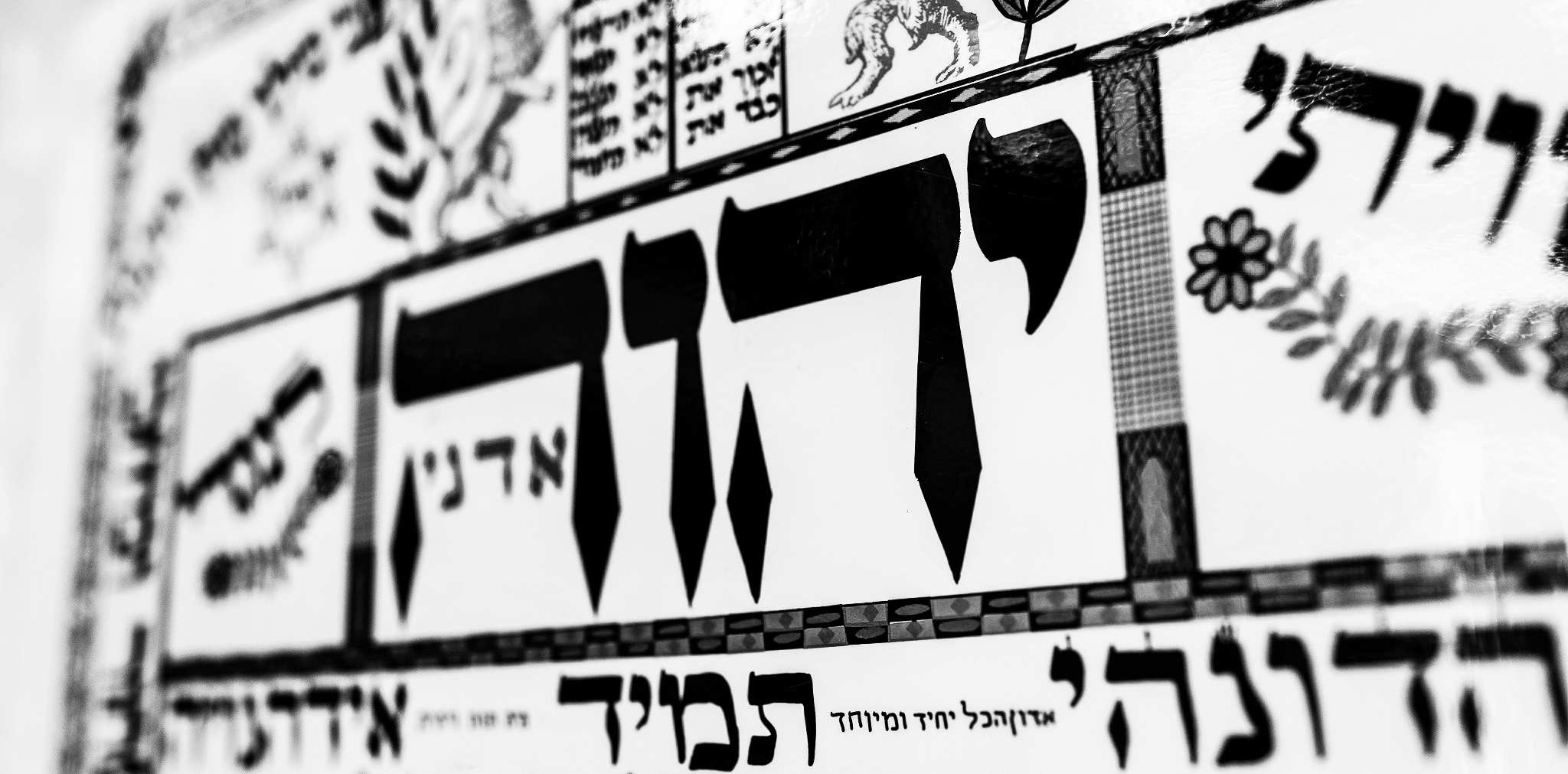
 Our Torah reading for this week, called parashat Bo, begins with God commanding Moses “to go” (i.e., bo: בּא) before the Pharaoh to announce further apocalyptic judgments upon Egypt. The purpose of this power encounter was to vindicate God’s justice and redemptive love for his people, that is, his deliverance or salvation, by overthrowing the tyranny of unjust human oppression. Pharaoh’s nightmare of “one little lamb” outweighing all the firstborn of Egypt was about to be fulfilled….
 In our Torah for this week (i.e.,
 The
The 
 Our Torah reading for this week,
 In our Torah portion for this week,
 In our Torah portion for
 In our Torah portion for this week (i.e.,
 In our Torah portion this week (
 In
In