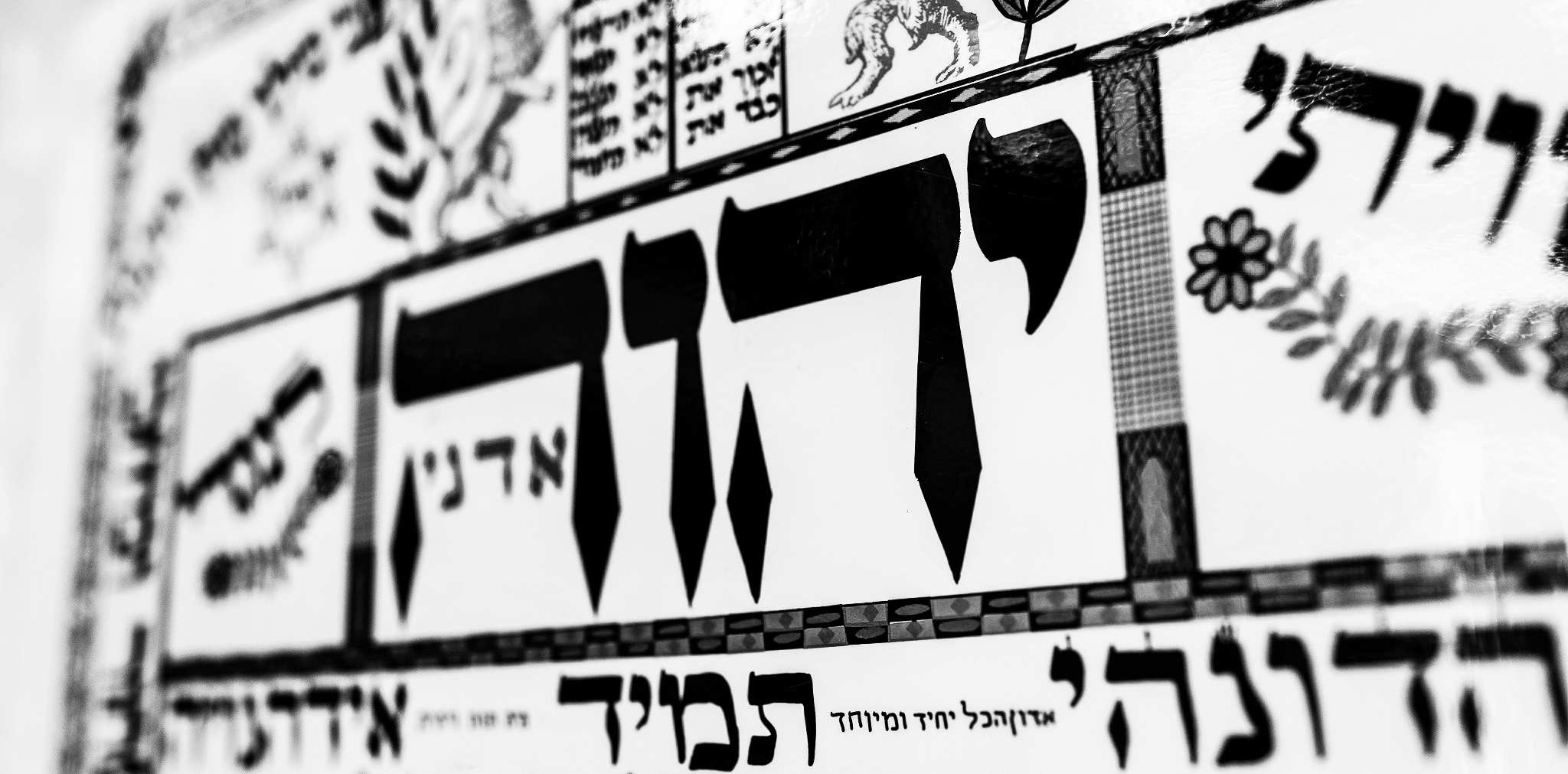
 Our Torah portion this week (i.e., parashat Re’eh) begins, “See (רְאֵה), I give before you today a blessing and a curse: the blessing (הַבְּרָכָה), if you obey the commandments of the LORD your God, which I command you today, and the curse (הַקְּלָלָה), if you … turn aside from the way that I am commanding you today, to go after other gods that you have not known” (Deut. 11:26-28).

We obtain God’s blessing (i.e., berakhah: בְּרָכָה) when we obey the LORD, and our decision to obey manifests the blessed state of walking before the Divine Presence (the direct object marker et (את) before the word “the blessing” alludes to the blessings of “Aleph to Tav,” that is from Yeshua, as described in Lev. 26:3-13). As King David said, “I have set (שִׁוִּיתִי) the LORD always before me…” (Psalm 16:8). David made a choice to “set” the LORD before his eyes, for he understood that opening his eyes to Reality was the only path of real blessing.
On the other hand, we obtain God’s curse (i.e., kelalah: קְלָלָה) when we close our eyes and “forget” that the LORD is always present…. Suppressing God’s truth invariably leads to idolatry, that is, to self exaltation. Note that the root word for the word “curse” (kalal) means to be treated as of little account, and therefore “ratifies” the rebellious heart’s attitude toward God. This is middah keneged middah – we are ignored by the LORD as we ignore Him, just as we seen by Him when we truly seek His face (Isa. 55:6-7). So we see that the blessing or the curse really comes from our own inward decision, and God establishes the path we have chosen. As King David said, “God supports my lot” (Psalm 16:5), and Solomon wrote, “The heart of man plans his way, but the LORD directs his steps” (Prov. 16:9).
Parashat Re’eh Podcast:

 Our Torah portion for this week (
 Shalom chaverim. In this “Daily Perush” audio I provide an exegesis and reading of a significant phrase in King Solomon’s great prayer at the dedication of the First Temple, namely, “Behold heaven and the heaven of heavens cannot contain you” (2 Chron. 6:18), and I then go on to reflect a bit on the meaning of these words in relation to the destruction of the Temple in Jerusalem. Please note that this topic is primarily designed for those who are studying Biblical Hebrew. I hope you will find it helpful. – John
 Our Torah reading for this week (i.e.,
 This week we read a “double portion” of Torah to conclude Sefer Bamidbar, or “the Book of Numbers.” Our first Torah portion,
 Shalom friends. Our Torah reading this week honors Aaron’s grandson

 Our Torah portion for this week (i.e.,
 The Spirit of God cries out, “choose life that you may live!” (Deut. 30:19), which implies that is our responsibility to believe in the Reality of God, to trust in his providential care, to affirm that “all is well and all manner of thing shall be well,” and to understand that our present struggle is designed by heaven to help us grow in grace and the knowledge of the truth (1 Pet. 3:16).

 Our Torah portion this week (i.e.,
 In the second part of the “Shavuah Tov” audio broadcast for this parashat