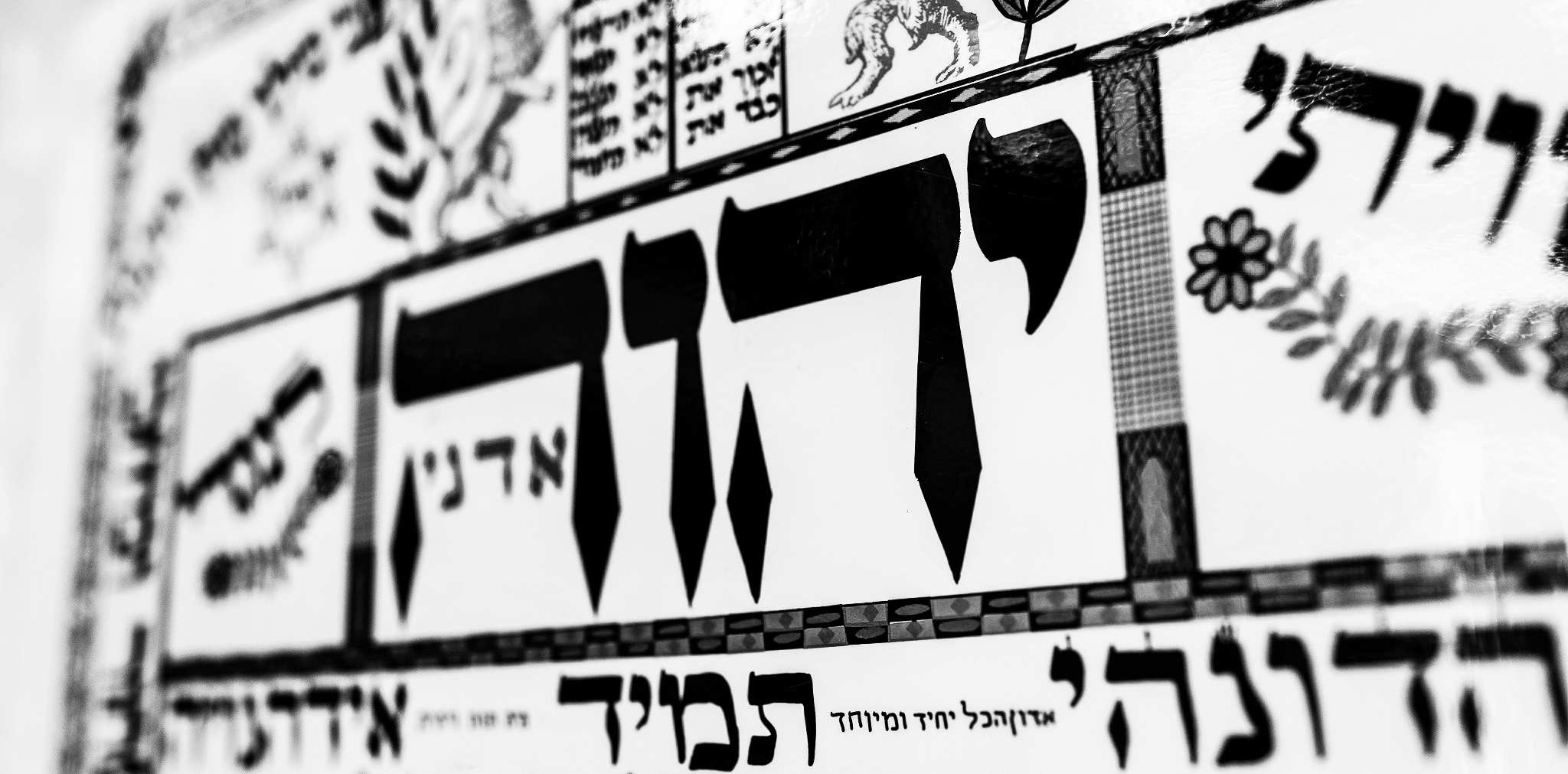
 The Chanukah holiday is now over, chaverim, though may its message pervade our souls every day, as we dedicate our lives to serving the Lord and choose to walk in His light… Amen, we are chosen to be a “kingdom of priests,” a set-apart people, and a light to the nations (Exod. 19:6; Isa. 42:6; 1 Pet. 2:9). Note the very first responsibility given to the priests was to care for the ner tamid (נר התמיד), the light of the Menorah (Exod. 27:20-21), which represents our consciousness of the Divine Presence (Psalm 18:28; 36:9). The challenge we all face is to remain “in the light as God is in the light” and not to be seduced by the world of fleeting appearances (Isa. 2:5; 1 John 1:7, 2:17). God’s eternal light radiates through all things (Isa. 6:3; Psalm 139:11-12), just as the great “yehi ohr” (יְהִי אוֹר) – “Let there be light” – is the first word spoken to creation (Gen. 1:3). To be a priest means being so filled with the truth that you radiate peace; your inner light shines and you glorify your Father in heaven (Matt. 5:16). That is how we draw others to the truth, by receiving the beauty of the LORD (Psalm 27:4).
Of course being a “witness to the light,” that is, being a “priest,” does not mean you are a “perfect person” who walks about with a blissed-out attitude despite the various trials and tests we all face in this life. No, we all still sin, and we therefore need to confess the truth of our condition to abide in the light (1 John 1:9; James 5:16). Like everything else in Scripture, here we encounter paradox, as Yeshua taught: “Blessed are the impoverished in spirit (πτωχοὶ τῷ πνεύματι), for theirs is the kingdom of heaven; blessed are the ones who mourn (οἱ πενθοῦντες), for they shall be comforted; blessed are the meek (οἱ πραεῖς), for they shall inherit the earth” (Matt. 5:3-5). Yea, “God chose what is foolish in the world to shame the wise; God chose what is weak in the world to shame the strong, God chose what is low and despised in the world, even things that are not, to bring to nothing things that are, so that no human being might boast in the presence of God” (1 Cor. 1:27-29).
 Though the whole earth is filled with the miracles and glory of the LORD, we must choose to see, to open our hearts, and to become God’s partners in calling forth goodness and truth. God is the Source of all Light and truth, and therefore we first turn to receive his radiance within our heart. As Yeshua said, “Let your light so shine before others, that they may see your good works and glorify your heavenly Father” (Matt. 5:16).
 “God is Light; in Him there is no darkness at all” (1 John 1:5). Yeshua said: “I am come a light into the world, that whoever believes in me should not abide in darkness” (John 12:46). The ultimate message of

 It has been said that the Greek mindset regards what is beautiful as what is good, whereas theHebraic mindset regards what is good as what is beautiful. The difference is one of orientation. Doing our duty before God, in other words, is what is truly beautiful, not merely appreciating the appearance of symmetry, order, and so on. This explains why moral discipline (i.e., musar, מוּסָר) is so prominent in Hebrew wisdom literature. True beauty cannot exist apart from moral truth.

 In the Gospel of John it is recorded that Yeshua said, “I am the way, the truth, and the life” (i.e., ᾽Εγώ εἰμι ἡ ὁδὸς καὶ ἡ ἀλήθεια καὶ ἡ ζωή; John 14:6). The Greek word translated “truth” in this verse is aletheia (ἀλήθεια), a compound word formed from an alpha prefix (α-) meaning “not,” and lethei (λήθη), meaning “forgetfulness.” (In Greek mythology, the “waters of Lethe” induced a state of oblivion or forgetfulness.) Truth is therefore a kind of “remembering” something forgotten, or a recollecting of what is essentially real. Etymologically, the word aletheia suggests that truth is also “unforgettable” (i.e., not lethei), that is, it has its own inherent and irresistible “witness” to reality. In that sense light is a metaphor for truth: “The light shines in the darkness, and the darkness has not overcome it” (John 1:5). People may lie to themselves, but ultimately truth has the final word.
 “We groan inwardly as we eagerly await our redemption…” (Rom. 8:23). We sigh deeply because we are suspended between two worlds, living in the ambiguity of an already-not-yet expectation, enduring ourselves as imperfect vessels longing for perfection, trapped between what is and what will be, seeing the unseen, yearning for healing, believing that we shall never die, even as we die (John 11:26). We are restless for our eternal home and long for God’s presence as we walk through shadowy vales, facing various temptations, whispering our prayers in the dark. And though we must learn endurance and trust in God’s sovereign purposes, our faith nevertheless compels us to cry out, “How long, O Lord?” and “Come, Lord Yeshua” (Rev. 22:20). Our ongoing challenge is to keep a positive attitude despite the struggles we face, and therefore we inwardly pray: “Renew within me ruach nachon (רוּחַ נָכוֹן) – “a spirit that says Yes” (Psalm 51:10). Surrender means accepting God’s will for our lives — saying “yes” to the promise of love, even if we presently feel empty inside and wonder how long we can hang in there… Saying “yes” implies saying “no” to other things – no to fear, anger and doubt, for example. Tragically there are people who have given up hope for bitterness and despair. Asking the Lord to give us a spirit of “yes” is really a prayer for focus, direction, and the willingness to keep pressing on to our heavenly destiny, especially when the way seems dark and hope seems distant.
 Our Heavenly Father sees in secret… “The deepest thing in our nature is this region of heart in which we dwell alone with our willingnesses and our unwillingnesses, our faiths and our fears” (William James). It is there, in the secret place of the heart, that the sound of the “knock” is either heard or disregarded (Rev 3:20). May the Lord give us the willingness to do His will and the courage to believe in His love. And may God deliver us from doubt and from every other fear. May we all be strong in faith, not staggering over the promises, but giving glory to God for the miracle of Yeshua our LORD. May we all be rooted and grounded in love so that we are empowered to apprehend the very “breadth and length and height and depth” of the love of God given to us in Messiah, so that we shall all be filled with all the fullness of God (Eph. 3:14-19). Amen.