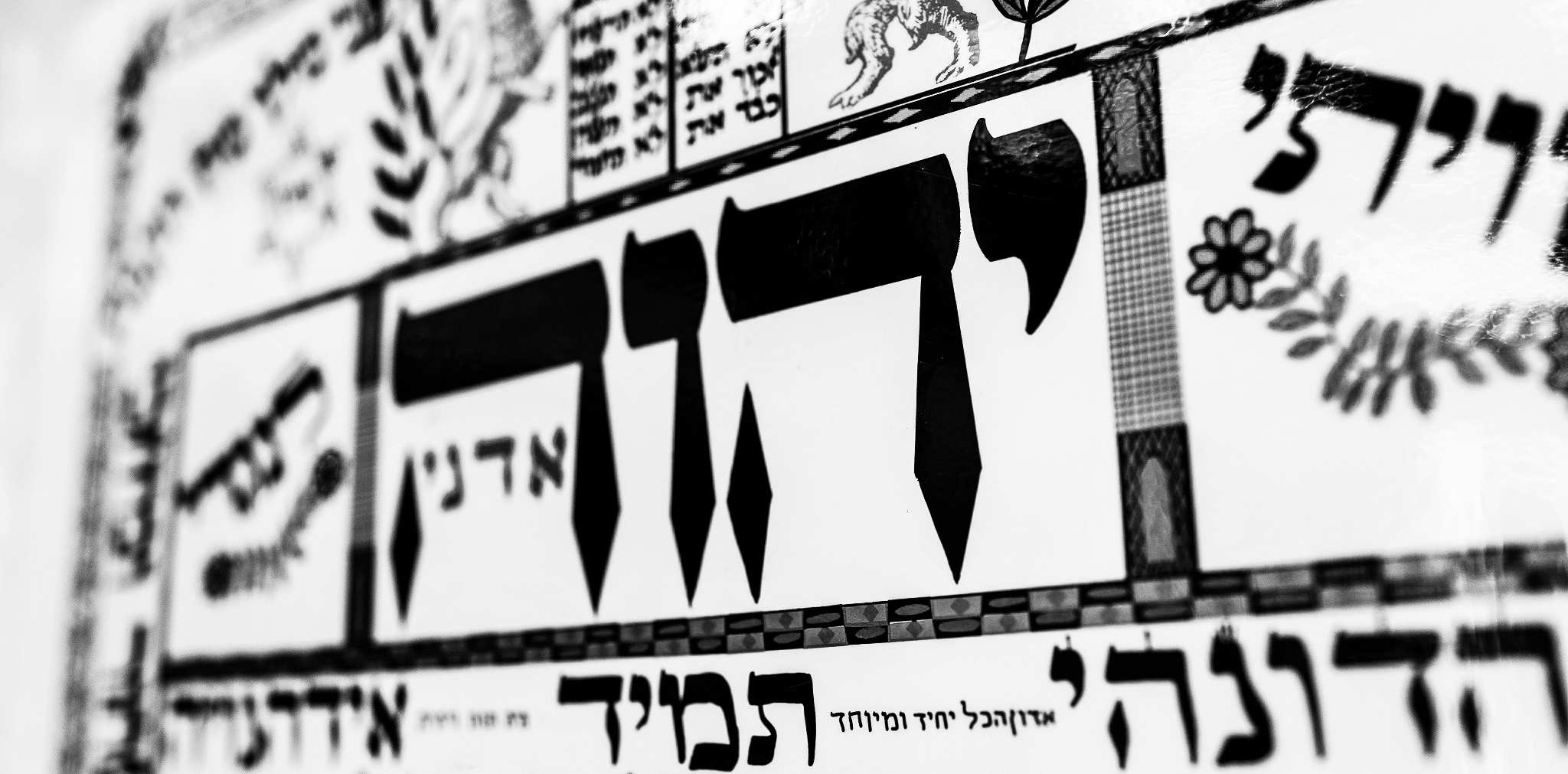
 Although Passover is traditionally recognized as an eight-day holiday, technically speaking it refers to the first night of the sacrifice of the lamb of God and the first day of the Exodus from Egypt (i.e., Nisan 15). The following week the people ate unleavened bread as they journeyed out Egypt and finally crossed the sea on the eighth day. Of particular importance, however, is the Passover night, which the Lord commanded Israel to observe forever as a vigil in memory of their great deliverance from Egypt.
“At the end of 430 years, on that very day (i.e., Nisan 15), all the hosts of the LORD went out from the land of Egypt” (Exod. 12:41). Immediately after stating this, the Torah refers to Passover as leil shimurim (ליל שמורים), a “night to be guarded” (from the verb shamar, which means “to watch” or “to guard”). “It is a night that is guarded (leil shimurim) to the LORD for bringing them [Israel] out of Egypt; this night remains a night to be guarded (שִׁמֻּרִים) by the people of Israel throughout their generations” (Exod. 12:42). Since “this night” – ha-lailah hazeh (הלילה הזה) – was guarded by God from the beginning to be the time of redemption, Israel must therefore “guard this night” (i.e., keep a vigil) by means of the Passover Seder (Exod. 13:10; Deut. 16:1), recalling and celebrating God’s faithfulness and redemptive love.
 The goal of the great Sinai revelation was not to simply impart a set of moral or social laws, but rather to “accommodate” the Divine Presence in the midst of the people. This is not to suggest that the various laws and decrees given to Israel were unimportant, of course, since they reflect the holy character and moral will of God. Nonetheless, the climax of the revelation of the Torah – its goal or purpose or “end” – was the revelation of the altar which prefigured the sacrificial work of the Lamb of God. Indeed, the central sacrifice upon this altar was the daily sacrifice (i.e., korban tamid: קָרְבַּן תָּמִיד) of a defect-free male lamb with unleavened bread and wine. The LORD calls this “My offering, My bread…” (see Num. 28:1-8). In other words, the service and ministry of the Mishkan (i.e., Tabernacle) constantly foreshadowed the coming Lamb of God who would be offered upon the altar “made without hands” to secure our eternal redemption (Heb. 9:11-12). The sacrifice of the lamb is therefore central to the meaning and purpose of the Torah.
 The
The 
 Passover is the archetypal picture of the redemption of God. Its theme goes back to the very beginning, to the orchard of Eden itself, when Adam and Eve disobeyed God and ate from the forbidden tree. Because of their transgression, our original ancestors incurred the plague of death and were exiled from the Divine Presence, though God graciously promised to heal them through the coming Seed of the woman – the Savior who would crush the head of the serpent and break the fangs of his venomous sting (Gen. 3:15). Soon after making this great promise, God clothed our primordial parents with the skin of a sacrificed lamb (Gen. 3:21), linking their coming deliverance with the “Lamb of God slain from the foundation of the world” (1 Pet. 1:18-20). The very first “Passover” was in the garden. The story extends to the world to come, too, where in the redeemed paradise of God we will celebrate the victory of the Lamb who was slain for our redemption (Rev. 5:12-13, Rev. 19:7).
 The Torah divides


 The Scriptures reveal that ultimate reality is a divine love story with a “happy ending,” despite the struggles we face in this world. We see this in connection with the great deliverance of the Passover, when we read the story of our redemption in the Torah, summarized in a special book called a “haggadah.” Note that the Hebrew word haggadah (הַגָּדָה) means “retelling,” which of course refers to the story of our journey from slavery to freedom by the hand of God’s love. With regard to the sanctity of this story, the Torah commands us: “You shall tell (i.e., ve’higadta: וְהִגַּדְתָּ, from which “haggadah” comes) your child on that day, ‘It is because of what the LORD did for me when I came out of Egypt.’ And it shall be to you as a sign on your hand and as a memorial between your eyes, that the Torah of the LORD may be in your mouth. For with a strong hand the LORD has brought you out of Egypt” (Exod. 13:8-8). The sages note that the numeric value of the word “haggadah” (הַגָּדָה) is the same as the word for “good” (i.e., tov: טוֹב), which again indicates that the story of our redemption in the Messiah is truly good – indeed, the greatest story ever told…
 The Hebrew word for “
 The very first occurrence of the word “Torah” (תּוֹרָה) in the Scriptures refers to the faith of Abraham (Gen. 26:5), and the second occurs in our reading for this week (i.e.,
  In our Torah portion this week (i.e.,
  The exodus from Egypt (יציאת מצרים) is perhaps the most fundamental event of Jewish history; it is “the” miracle of the Torah. In addition to being commemorated every year during