 It is written in our Scriptures: “Do not be anxious about anything, but in everything by prayer and supplication with thanksgiving let your requests be made known to God” (Phil. 4:6). Note that the verb translated “be anxious” here (i.e.,μεριμνάω) comes from a root word (μερίζω) that means to be fragmented or divided into parts and pieces. Being anxious is therefore the uneasy state of being distracted, unfocused and divided within yourself. When we worry we heed voices of fear and begin to feel ‘double-minded,’ (i.e., δίψυχος), unstable, and unable to think clearly; we get restless and find it difficult to deeply breathe. We start to feel out of control, fearful that something bad will happen despite all our efforts or wishes to the contrary; we sense doom; we lose heart; we go dark… The Scripture here admonishes us to pray when we are tempted us to be anxious by focusing on something for which we are grateful. Doing so will instill the “peace of God” (שלום יהוה) that rises above all worldly thinking to keep watch over your heart and your thoughts through Yeshua the Messiah (Phil. 4:7). We gain the “light of life,” that is, inner illumination from God, so that we can remain steadfast and unmovable in our faith, despite the temptation to look for relief from our struggles apart from God.

 “Faith is the foundation (i.e., ὑπόστασις: the “substance,” reality, underlying essence, etc.) of our hope, the conviction of the unseen… Without faith it is impossible to please God, for whoever would draw near must believe that God exists and rewards (μισθαποδότης) those who seek him” (Heb. 11:1,6). Note that God is pleased when we seek his presence, that is, when we when we look past the ephemera and ambiguity of the phenomenal world for the truth about spiritual reality (2 Cor. 4:18). For our part, faith resolves to confession (ὁμολογέω), that is, aligning our perspective and focus to agree with the revelation and message of divine truth and verbally declaring our conviction. We must say that we believe and affirm it with all our heart (Rom. 10:9). As it says, “I will make Your faithfulness known with my mouth” (Psalm 89:2). When you encounter tribulation, or experience some crisis of faith, boldly reaffirm your hope: “I believe in God’s promise…” Physically expressing your faith is itself an act of faith, and this encourages your soul to trust in God’s healing reward even in the present struggle or darkness…
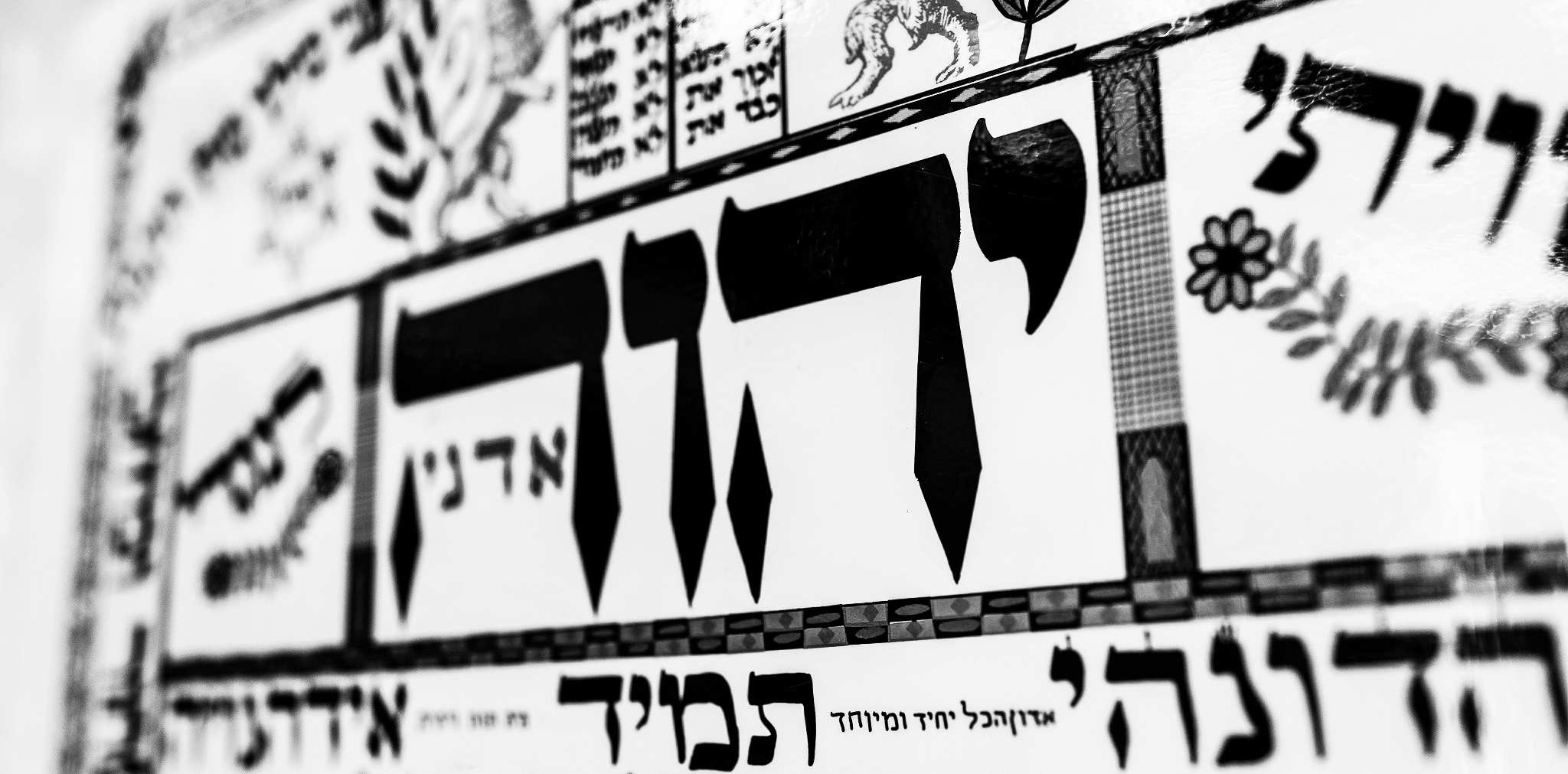
 Recall that before the revelation at Sinai God instructed Moses to set a “boundary” (i.e., hagbalah: הגבּלה) around the mountain with the stern warning that whoever would transgress the imposed limit would die (Exod. 19:12). But why did the LORD command this distance from the people at the time of such intense revelation? Why, for that matter, were God’s first words to Moses, “do not come closer” (אַל־תִּקְרַב הֲלֹם) when he encountered the LORD before the burning thornbush (Exod. 3:5)? In response to such questions the sages have said that there is a fundamental “dialectic” or tension at the core of our connection with God. On the one hand God is utterly holy, sacredly separate, infinitely transcendent, and entirely beyond our understanding, while on the other hand God is entirely present within creation, upholding it and providentially sustaining it, and who is near to all who sincerely call upon him (Psalm 145:18). God is both Elohim (אלהִים) – the Master of the universe and ruler of all possible worlds — the sole Creator (הַבּוֹרֵא) and the only true Judge and moral authority (הֲשֹׁפֵט הָאֲמִתִּית), yet he is also YHVH (יְהוָה), the source of our breath (Gen. 2:7; Num. 16:22), the compassionate Savior (הַמוֹשִׁיעַ), the intercessor (מַפְגִּיעַ), the Redeemer (הַגּוֹאֵל), the Healer (הַמְרַפֵּא), and Lover of our souls (חובב נשמתנו). God is both fully holy (separate) yet his glory pervades and fills the world (Isa. 6:3).
 The Scriptures reveal that the Mishkan (or “Tabernacle”) was intended to provide an elaborate “parable” or “pattern” that points to the salvation of our God (יְשׁוּעַת אֱלהֵינוּ). First, the Mishkan designated a central and sacred place (מִקְדָּשׁ) representing the Divine Presence, with the tribes carefully arrayed on each side (east, west, north, and south), and the four families of the Levites arrayed on each side of the courtyard (Num. 2). The gate to the Mishkan opened from the east, where the tribe of Judah was positioned (Gen. 49:10) and where the Kohanim (priests) had their camp just outside the court (Heb. 7:14). As you entered the Mishkan itself, you would immediately behold the mizbe’ach (i.e., copper altar), which revealed the “korban principle,” namely, that the only way to draw near to God is by means of sacrificial blood offered in exchange for the sinner, as stated in the Torah, “For the life of the flesh is in the blood, and I have given it for you on the altar to make atonement for your souls, for it is the blood that makes atonement by the life” (Lev. 17:11), and “without the shedding of blood there is no forgiveness of sins” (Heb. 9:22).
 The world might be in a frenzy over various earthly fears, but understand that the LORD God of Israel is upon the throne, friends. As it says in our Scriptures: “For the LORD, the Most High, is to be feared, the great king over all the earth” (Psalm 47:2). Those of faith understand history – including the End of Days – as the expression of God’s sovereign and providential hand. The gracious Savior always works “all things together for the good” of those who are trusting in Him. Ein od milvado (אין עוד מלבדו) – there is no power that can be exercised apart from God’s consent and overarching will. Indeed all authority in heaven and earth belongs to Yeshua, the “the Ruler of the Kings of the earth” (עליון למלכי הארץ). As it is written, “All the nations you have made shall come and worship before you, O Lord, and shall glorify your name” (Psalm 86:9).
 In our Torah for this week (
 In our Torah reading for this week (i.e.,
  The Spirit of the Lord comforts and reassures those who trust in Him: “My sheep hear my voice, and I know them, and they follow me. And I give them eternal life (חַיֵּי עוֹלָם), and they will never perish – no, never! – and no one will snatch them out of my hand” (John 10:27-28). Note that the Greek grammar in this verse uses a “double negation,” which is the strongest way to deny something. In other words, if the question were asked, “Will one of these sheep perish?” the answer is emphatic: “No, no, it will never happen! It is unthinkable!” Indeed all those who belong to Messiah “shall never, ever perish – not into eternity (εἰς τὸν αἰῶνα).” It is an eternal certainty that you who are trusting in Yeshua will never perish, and no power in heaven or earth will be able to take you out of God’s hand… “Surely goodness and mercy shall pursue you all the days of your life, and you shall dwell in the Presence of the Lord forever (Psalm 23:6).
 “Love not the world, neither the things that are in the world; if any one loves the world, the love of the Father is not in him” (1 John 2:15). The best way to keep a prisoner from escaping is to make sure he never knows he’s in prison (Dostoevsky). We may abstain from overt forms of worldliness, but when we subconsciously accept the unspoken assumptions and values of this world, we become functional idolaters. Worldliness seeks its comfort in the present hour; it has its own mythology and religious worship.
 Undoubtedly part of the reason for moral failure within the church comes from deceptive theology and the doctrine called “antinomianism,” that is, the idea that faith in Yeshua implies that we are no longer “under the law”and therefore we are free to live apart from what the Torah (and by extension, the New Testament) plainly says and teaches… This is clearly a mistake — a serious confusion between the terms of the former covenant at Sinai with the timeless truth of God’s eternal Torah, or moral will… After all, the New Covenant (ברית חדשׁה) of Yeshua is the one in which the Torah of the LORD would be written upon our hearts (see Jer. 31:31-34). Genuine followers of Yeshua therefore will love the Torah of the LORD, since God does not lie or change His mind, and Yeshua our Lord is the same yesterday, today, and forever (Num. 23:19; Psalm 33:1; Heb. 13:8). As it is also written: “Blessed is the person who delights in the law of the LORD (תורת יהוה) and meditates upon its truth day and night (Psalm 1:1-2). Amen, for the life of the follower of Yeshua “we cannot do anything against the truth, but only for the sake of the truth” (2 Cor. 13:8).