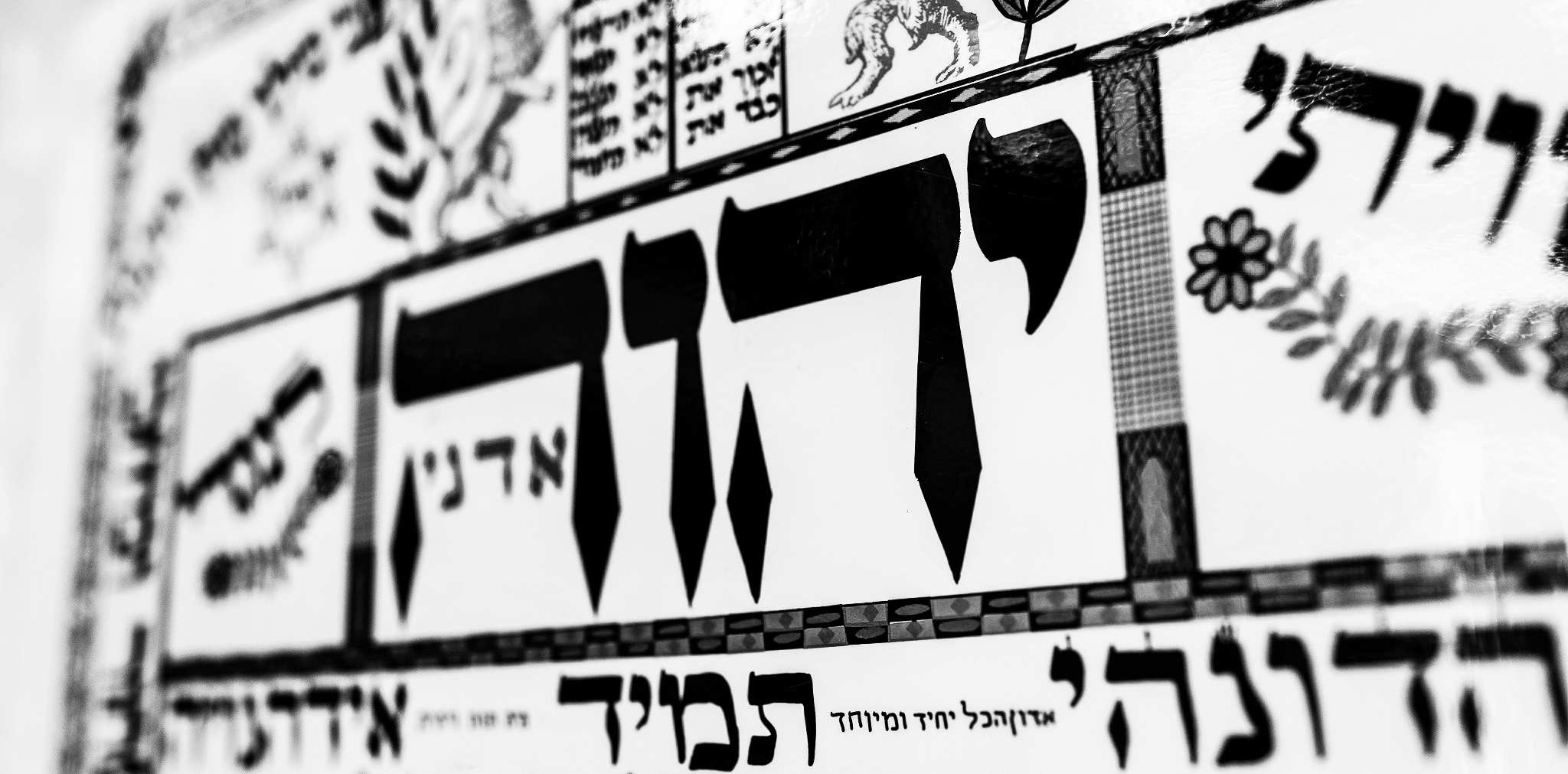
 Last week’s Torah portion (i.e., parashat Bo) described how the Israelites were finally delivered from their cruel bondage in Egypt after God issued the decisive plague during the time of Passover. In this week’s portion (i.e., parashat Beshalach), the Israelites began their journey home, after 430 years of exile. Instead of leading them along a direct route to the Promised Land, however, the LORD directed them south, toward the desert, where the Glory of God appeared as a Pillar of Cloud by day and as a Pillar of Fire by night to lead them on their way. When Pharaoh heard that the Israelites were at the border of the desert, however, he perversely decided to pursue them and bring them back to Egypt. God then redirected the people to camp near the edge of the Sea of Reeds, where the Egyptian army finally caught up with them. Dramatically, the Israelites were caught between the sea on one side, and Pharaoh’s army on the other…
Beshalach Audio Podcast:

- Beshalach Table Talk (pdf)

- Isaiah 12:2 study page (pdf)
 Our Torah reading for this week, called
 In our Torah for this week (i.e.,


 The
The 
