|
December 2025 Updates (continued)
Note: If any page content appears to be missing, please refresh the page...
The Providential Prince...
12.08.25 (Kislev 18, 5786) Though Joseph was given great wisdom from above to interpret Pharaoh's dreams and to ultimately serve as Egypt's regent, his foresight was unable to prevent the famine from coming in the first place, and the testing that came was therefore part of God's hidden plan...
The role of the true prophet is to bear witness to God's truth and to shepherd God's people through the unfolding vision. Joseph could not control the outcome, though he worked within the context of revelation to bring about deliverance.
In both the "fat times and the lean" we look to God for comfort and strength: We "show up" every day to ready ourselves for what is coming, even if we currently find ourselves in darkness. We refuse fear because we trust that the LORD our God is guiding our way...
The term hashgachah pratit (הַשְׁגָּחָה פְּרָטִית) refers to God's personal supervision of our lives (hashgachah means "supervision," and pratit means "individual" or "particular"). Since He is the Master of the Universe, God's supervision and providence reaches to the smallest of details of creation - from subatomic particles to the great motions of the cosmos.
God not only calls each star by its own name (Psalm 147:4), but knows each particular wildflower and every sparrow's nest (Matt. 6:28-30, 10:29). And if God knows such details of his creation, does he not likewise know all the details of your life, friend? As Yeshua said, even the hairs on your head are all numbered (Matt. 10:30).
Amen. The God of Israel is the Lord over all things, the one called אלהֵי הָרוּחת לְכָל־בָּשָׂר / Elohei ha-ruchot lekhol-basar: "The God of the spirits of all flesh" (Num. 16:22), and that means that He has providential purposes for each and every human being that he sovereignly brought into this world (John 1:4).
There is a lot of wisdom to be found in this story... "There is a God and you and not Him." Consider how Joseph kept resolute faith in God's will despite everything that happened to him and his family. Amen, this is the way of the surrendered soul. "God grant me the serenity to accept the things I cannot change, the courage to change the things I can, and the wisdom to know the difference."
Hebrew Lesson
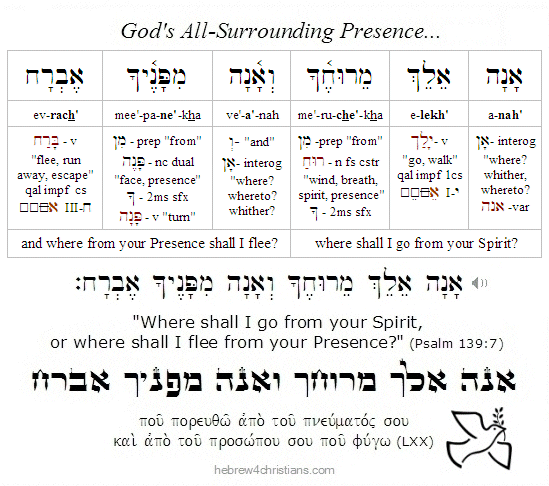
Psalm 139:7 reading (click):
Parashat Vayeshev - וישב
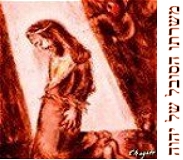
Our Torah reading for this week tells how Joseph's jealous brothers stripped him of his "coat of many colors" and threw him into a pit -- a providential event that eventually led to the deliverance of the Jewish people by the hand of a "disguised savior." Indeed, the life of Joseph foreshadowed the two advents of Yeshua our Messiah: first as Israel's Suffering Servant and second as the national deliverer of the Jewish people during the time of great tribulation...
12.07.25 (Kislev 17, 5786) Shalom chaverim. Last week's Torah (i.e., Vayishlach) recounted how Jacob had wrestled with a mysterious Angel before returning to the Promised Land to be reconciled with his brother Esau. This week's portion (i.e., parashat Vayeshev) begins with Jacob living back in the land that God had promised to give to Abraham and Isaac with his 12 sons, but the narrative quickly turns to Jacob's "favorite" son Joseph, who was seventeen years old at the time.
The Torah states that Jacob loved Joseph more than all his other sons since he was "the son of his old age" (בֶּן־זְקֻנִים) and he was the firstborn son of his beloved wife Rachel. Indeed, Jacob made him an ornamented tunic to indicate his special status in the family. As the favored son, Joseph's job was expected to oversee the activities of Jacob's other sons (i.e., Dan, Naphtali, Gad, and Asher) and to bring "reports" about their activities back to Jacob. However, this role as the overseer and "favored son" was too much for the other brothers, and they became jealous of him and hated him.
To make matters worse, Joseph related two prophetic dreams (חֲלֹמוֹת נְבוּאִים) to his brothers that foretold that he was destined to rule over them, increasing their envy and hatred of him (the implication of the dreams was that all of Jacob's family would become subservient to him). Jacob rebuked Joseph for arousing his brothers' hatred, but he inwardly took note and waited for the fulfillment of the dreams.
The portion then records that one day the brothers went out to pasture their herds but when they saw their brother Joseph coming to check on them, they conspired to kill him, though later they reconsidered and decided to sell him to some slave traders instead. After Joseph was taken away, the brothers sought to deceive Jacob by staging his son's death - dipping his special tunic into goat's blood and telling him that he had been maimed and killed by a wild animal...
Meanwhile Joseph was taken into the land of Egypt and sold as a slave to a man named Potiphar (פּוֹטִיפַר) who was a captain of Pharaoh's guard. The LORD was with Joseph" (יְהִי יְהוָה אֶת־יוֹסֵף) however, and blessed everything he did. In fact, he was soon promoted to be the head of Potiphar's entire household affairs.
Unfortunately Joseph caught the eye of Potiphar's wife ("Zuleika"), who then began enticing him to have an affair with her. Though he steadfastly refused her advances, she became indignant over her rejection and falsely accused him of attempted rape. Potiphar was understandably outraged (at his wife?) and threw Joseph into the royal prison, but again God showed him favor there and soon was appointed to a position of authority within the prison administration.
The reading ends with two prophetic episodes in Joseph's life that eventually would bring him to the attention of the Pharaoh himself. While in prison, Joseph met Pharaoh's wine steward and chief baker, both of whom were incarcerated for offending the king (according to Rashi, a fly was found in the goblet prepared by the butler, and a pebble was found in the baker's confection). Both men had disturbing dreams which Joseph correctly interpreted: in three days, he told them, the wine steward would be released but the baker would be hanged. Joseph then asked the wine steward to advocate for his release with Pharaoh. Joseph's predictions were fulfilled, but the wine steward forgot all about Joseph...
Note that this Torah reading is prophetic regarding Yeshua the Messiah. Joseph's jealous brothers stripped him of his "coat of many colors" and threw him into a pit -- a providential event that eventually led to the deliverance of the Jewish people by the hand of a "disguised savior." Indeed, the life of Israel's chosen son Joseph foreshadowed the two advents of Yeshua our Messiah: first as the LORD's Suffering Servant (עֶבֶד יַהְוֶה), and second as the Great Deliverer (הַגּוֹאֵל הַגָּדוֹל) of the Jewish people during the time of tribulation...
Hebrew Lesson:
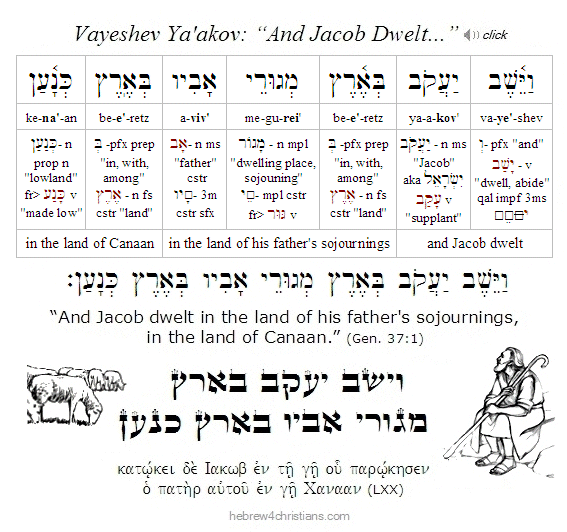
Genesis 37:1 Hebrew reading:
Vayeshev Outline:
- The special status of Joseph among the sons of Jacob (Gen. 37:1-3)
- The jealousy of Joseph's brothers (Gen. 37:4)
- Joseph's prophetic dream of sheaves bowing before him (Gen. 37:6-8)
- Joseph's prophetic dream of the sun, moon, and eleven stars (Gen. 37:9-11)
- Jacob sends Joseph to Shechem check on his brothers' welfare (Gen. 37:12-17)
- The brothers conspire to kill Joseph (Gen. 37:18-20)
- Rueben intercedes to deliver Joseph from death (Gen. 37:21-22)
- The brothers seize Joseph, cast him into a pit, and sell him to Midianite slave traders for twenty pieces of silver (Gen. 37:23-28)
- The brothers tell Jacob they found Joseph's tunic covered with blood and Jacob assumes Joseph was killed by a wild animal and mourns for his son (Gen. 37:29-35)
- Joseph is sold to Potiphar, an officer of the Pharaoh's guards (Gen. 37:36)
- Interlude: Judah, Tamar, and the birth of Perez, ancestor to king David (Gen. 38)
- Joseph becomes Potiphar's chief steward (Gen. 39:1-6)
- Potiphar's wife tries to seduce Joseph and falsely accuses him of rape (Gen. 39:7-19)
- Joseph is cast into prison but is treated well there (Gen. 39:20-23)
- Joseph prophetically interprets two prisoners' dreams (Gen. 40:1-23)
 |
Holiday Alert: Chanukah...
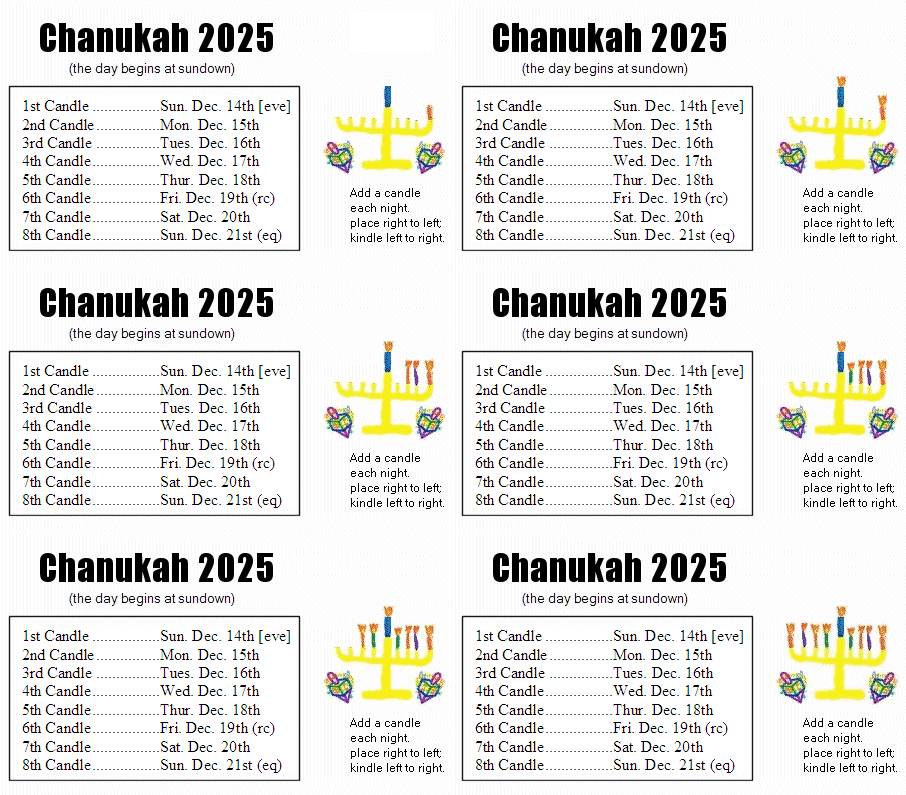
12.07.25 (Kislev 17, 5786) The Hebrew word Chanukah (חֲנוּכָּה) means "dedication" (from the root חָנַךְ) and marks an eight day winter celebration that commemorates the victory of faith over the ways of speculative reason, and demonstrates the power of the miracle in the face of mere humanism. Although it is customarily observed as a "Festival of Lights," Chanukah is a "fighting holiday" -- a call to resist the oppression of this world and to exercise faith in the LORD (Rom. 13:12).
This year the eight days of Chanukah will begin on Sunday December 14th after sundown (1st candle) and will run until sundown on Monday December 22nd. On the first night of Chanukah one flame is lit, on the second night two, and so on until the eighth night when eight flames are lit. In this way we remember the 'growth' of the miracle.
Torah of Wrestling...
12.05.25 (Kislev 15, 5786) In the account of Jacob's wrestling with the Angel there are many references to the word "face" (פָּנִים) and its variations. In Hebrew the root word (פּנה) indicates turning to see or encounter something, and in Jacob's case this meant turning to face questions about his own identity. Jacob understood that facing who he was before God and struggling through the inner conflict was essential for him to move forward in his life. Therefore Torah says he encountered God "panim el panim" (פָּנִים אֶל־פָּנִים) or face to face, and he later named the place of his struggle "Peniel" (פְּנִיאֵל) meaning the "face of God."
Jacob had to cross the river Jabbok to engage the Angel. The word Jabbok (יבק) means "emptying" in Hebrew, and its letters are embedded in the verb "wrestled" (איבק) in the account of Jacob's struggle. The difference between the emptying and the wrestling is found in the letter Alef (א) which represents God. When God empties us, we find healing in our surrender.
What does any of this mean for us? Well I think the story of Jacob's encounter provides an invitation for each of us to turn to God and struggle until we truly receive his blessing. Doing so will help us navigate the way of our lives as we settle our conviction about who we really are...
Jacob held on tenaciously to the Angel and refused to let go until he received the blessing. He learned to submit the "grappling nature" of his soul and it was transformed into attachment to God. His homeward journey was empowered by God's spirit working within his heart, and this blessing led him forward to inherit the precious promises. Amen.
Hebrew Lesson
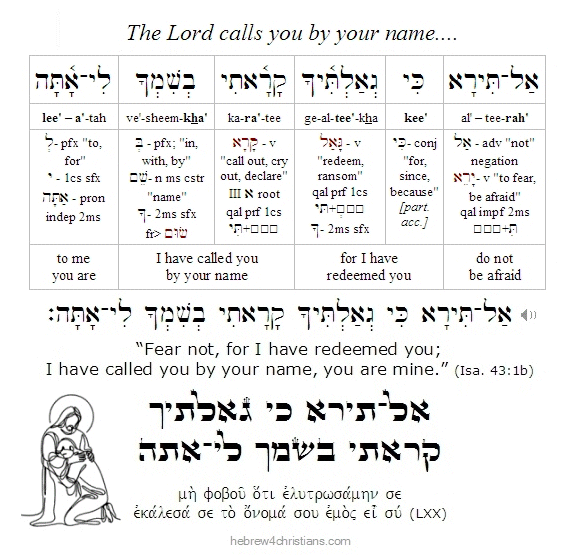
Isaiah 43:1 reading (click for audio):
A Good Fight of Faith...
"God does not call those who are worthy, but those whom He wills." - Therese of Lisieux
12.05.25 (Kislev 15, 5786) Recall that Jacob had spent 20 years away from home serving as a "hired hand" for his devious uncle Laban. After the birth of his eleventh son Joseph, however, and after learning that Rachel was pregnant with her second child, Jacob realized that the old prophecy that he would become the father of twelve sons (tribes) would soon be fulfilled, and the time had finally come for him to break free from Laban and return home (Midrash Tanchuma).
The thought of returning home was not without its complications, however. After all, Jacob had fled to Mesopotamia to escape from his brother who wanted to kill him for "stealing" the blessing of the firstborn from him (Gen. 27:41-45). The two brothers had not spoken to one another since then, and there was no reason to think that Esau was not going to finally take revenge on his brother. And yet Jacob could no longer remain with his uncle who was considering killing him as well, and therefore God told him in a vision that time had come for him to return home (Gen. 31:1-3).
Thankfully Jacob finally escaped from his uncle Laban, however, as we read in last week's Torah (Vayetzei), and the angels of God greeted him as returned to the land of Canaan with his family (Gen. 32:1-2).
Now our Torah reading for this week (Vayishlach) began with Jacob sending messengers to Esau announcing his return to the land, though he alarmedly learned that Esau was mobilizing a posse of 400 of his men to assess the situation and confront his estranged brother. Esau's intentions were unclear, but given their difficult history together Jacob decided it wise to plan defensive strategies in case Esau's gang would attack his family (Gen. 32:6-8).
On the evening before he expected his brother to arrive in the land of Gilead, Jacob split his family into separate groups and then crossed the Jabbok river (a tributary of the Jordan River) to pray in solitude for God's help. And it was there that the mysterious Angel came upon him as his adversary, and a surreal "wrestling match" occurred throughout the night...
The Angel played the role of his Jacob's antagonist, representing the power of Jacob's guilt and shame. His strength was commensurate with the truth of Jacob's past duplicities, and yet there was a greater power that the Angel possessed that Jacob would discover as he struggled through his agonizing inner conflict...
When the battle came to a head, the light of the dawn began to crest the early morning horizon. Just before daybreak, however, the Angel "wrenched Jacob's hip socket" so that his hip was dislocated, and the moment of truth had come. Was the blessing for Jacob or was it not? Was Esau justified in his anger? Was the blessing "stolen" by the grappling hands of Jacob after all?
"I will not let you go unless you bless me." Even if it kills me.... Jacob would not let go of his hope for the blessing despite the ambiguity and chicanery of his past. He "hoped against hope" that the promise would be for him too. Yet the divine charade was orchestrated by God as He "grappled" with Jacob to help him accept the deeper truth of who he was. Mercy will triumph over justice, and the culmination of Jacob's designation to be the heir of the promise of God was the bestowal of his new name "Israel," and with that the ratification that he had prevailed with God. It was a joyful moment, though it was a moment that came through profound struggle...
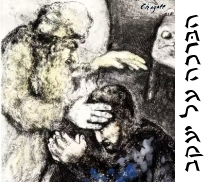
Notwithstanding all this intense drama, and despite accepting his new name, Jacob was often called by his old name, even up to the time of his death (Gen. 49:33). This teaches that even after being "regenerated" and given his new identity, Jacob still carried his old nature with him, as indicated by his limp... The old inner conflict was still there, within the heart of Jacob, but the old nature was delivered a death blow and the new nature would ultimately define who he really was. And this may explain why it was "Israel," not "Jacob" who blessed his grandsons just before he died. The blessing that he bestowed came from "Israel," the promise of God, and not from Jacob who was to be laid to rest.
 |
The Hidden Kingdom...
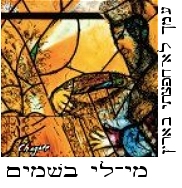
12.05.25 (Kislev 15, 5786) When the disciples asked Yeshua how they should pray, he began with the words: "Our Heavenly Father, sacred is your Name; may your kingdom come, may your will be done..." (Matt. 6:9-10). You might overlook it, but these words imply that God's kingdom is not naturally within us, and indeed, as Yeshua taught elsewhere, what is "naturally" within the heart is just the opposite: "For from within, out of the heart of a person, come evil reasonings (οἱ διαλογισμοὶ οἱ κακοι), adulteries, fornications, murders, thefts, covetousness, wickedness, deceit, lewdness, an evil eye, blasphemy, pride, foolishness. All these evil things come from within and defile a person" (Mark 7:21-23).
Therefore when Yeshua told the Pharisees that the kingdom of God is "within you," he meant that the kingdom is a matter of a heart that has been reborn by the Spirit - not that people are naturally endowed with a divine "spark" (i.e., nitzot: נִצוֹץ) within them. No, the default condition of the unregenerated heart is one of selfish autonomy that refuses to submit to God's right to reign (Rom. 8:7). Its creed is: "I am the master of my fate: I am the captain of my soul" (Henley). The natural man is a rebel against God; a usurper of the prerogatives of God, and therefore he "eats from the apple" to define "good" and "evil" in his own self-serving terms (Isa. 5:20-21).
The "default" condition of the soul is one of "spiritual death," a semblance of life that is "cut off" or alienated from the truth of God, and is therefore devoid of eternal life. As Yeshua told Nicodemus, "unless a person is born again (i.e., γεννηθῇ ἄνωθεν, "born from above"), they cannot see the kingdom of God" (John 3:3). The spiritual seed of the kingdom must be planted within the heart by the Spirit of God. "That which is born of the flesh is flesh, and that which is born of the Spirit is spirit. Do not marvel that I said to you, 'You must be born again.' The wind blows where it wishes, and you hear the sound of it, but cannot tell where it comes from and where it goes. So is everyone who is born of the Spirit" (John 3:6-8).
The miracle of new life comes through a supernatural conception, "from above" (ἄνωθεν), which means that we are entirely powerless in our natural state to impart life to ourselves. And that, of course, is the essential problem of human nature -- that despite our natural desire to be "godlike," we are monstrous in our estate, and therefore what we most need is "deliverance from ourselves," that is, salvation from the horrors of selfish existence.
The Scriptures declare that all our supposed acts of righteousness are "as filthy rags" before the LORD God (Isa. 64:6), so again, we need divine intervention, an "external healing" that comes from Yeshua alone, an entirely new existence that does not derive from "blood, nor the will of the flesh, nor of the will of man" (John 1:13). Only those who are reborn by God's Spirit are given "power to become the children of God" (John 1:12). Interestingly the Greek word translated "power" is eksousia (ἐξουσία), a compound word formed from the preposition ek- (ἐκ), meaning "out of," and the noun ousia (ουσία), meaning "being," thereby suggesting something ontologically different than "natural" reality. Indeed, the word points to the indestructible life of the resurrection of the Lord himself.
From our point of view, the agency of attaining newness of life is a matter of the "mustard seed" of faith, a humble image that from something seemingly insignificant will come forth blessing and abundant life. This is how the kingdom of God grows - from the "bottom up," or from our brokenness and humility. Recall that when King David prayed, "Create in me a clean heart O God," he did not use the word "yatzar" (יָצַר), meaning to "form" or "shape" something into being, but he instead used the word "bara" (בָּרָא), the same word used to describe God's sovereign creation of the universe (Gen. 1:1; Psalm 51:10).
We may affirm "I can do all things through God who strengthens me," but we should understand what "all things" means... We can love the unlovely; we can bless those who curse us; we can suffer more than we know; we can endure in our desperation; we can thank God despite our afflictions, and we can do all these things because we have been crucified with Messiah, and that the life we now live is grounded in our relationship with the indwelling Spirit of God. Paradoxically, the Christian life is a dying life, and our union with the death of Yeshua is also the gateway to the power of the resurrection life. We gain ourselves when we lose ourselves: "Not I, but Christ lives in me." By faith we are "incorporated" into Messiah: the 'unregenrated nature' has been crucified with him, and the 'new man' (i.e., regenerated nature) is created to know him as the central reason and purpose of life.
The kingdom of God is "within you" only when God the true King lives within your heart, though this is hidden from the "eyes of the flesh," that is, from the pretenses of the natural man (1 Cor. 2:14). Consider the focus of our Lord. Yeshua did not esteem the things man regards as important; he was detached from the dramas and affairs of the political world. He pointed to flowers, birds, seeds, yeast in dough, fish, and other simple matters to illustrate the principles of the kingdom of God. Moreover his disciples were "nobodies" in the world; the people he healed were outcasts, strangers, unknown... And even our Lord himself was disguised in poverty and insignificance: "He sprouted up like a twig before God, like a root out of parched soil; he had no stately form or majesty that might catch our attention, no special appearance that we should desire him" (Isa. 53:2). God Almighty emptied himself of glory to become "baby Jesus" for us; he was born in a manger, in poverty and obscurity.
The "mustard seed" of faith... the hidden miracle of life that grows by God's power into a place of refuge and grace. It may seem like a slow or even tedious process, but the fruit of the Spirit is produced according to his will: "like a tree planted by the rivers of water that brings forth its fruit in its season" (Psalm 1:3). The process of spiritual growth is ultimately mysterious and divine: "The Kingdom of God is like someone who spreads seed on the ground. He goes to sleep and gets up, night and day, and the seed sprouts and grows, though he does not know how. By itself (αὐτομάτη, "automatically") the soil produces a crop, first the stalk, then the head, then the full grain in the head. And when the grain is ripe, he comes in with his sickle because the harvest has come" (Mark 4:26-29).
In light of all of this, be patient and continue to trust that the Lord to do the impossible within your heart (Matt. 19:26). "For I am sure of this very thing, that the one who began a good work in you will perfect it until the day of Yeshua the Messiah" (Phil. 1:6). "He will strengthen you to the end, so that you will be blameless on that day" (1 Cor. 1:8). "Now to Him who is able to keep you from stumbling, and to present you faultless before the presence of His glory with exceeding joy, to God our Savior, Who alone is wise, be glory and majesty, Dominion and power, Both now and forever" (Jude 1:24-25). Amen.
Hebrew Lesson
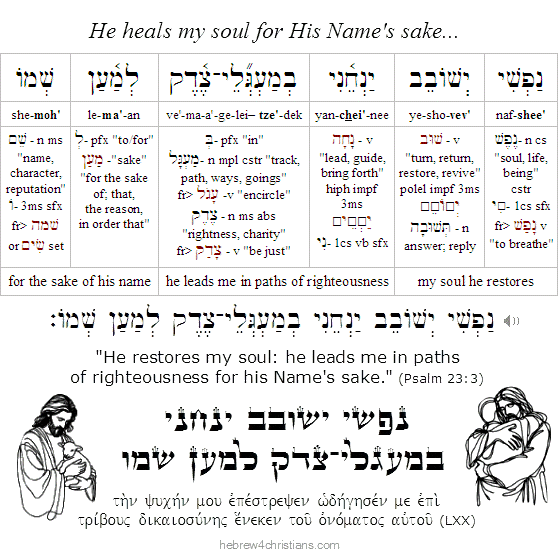
Psalm 23:3 reading (click):
The Savior's Call...
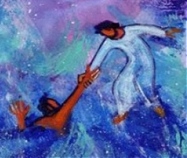
12.05.25 (Kislev 15, 5786) The first "red letter" words of Yeshua as recorded in the Gospel of John were a question: "What do you seek?" (John 1:38). The question was directed to some men who followed John the Baptist and had heard him refer to Yeshua as the "Lamb of God who takes away the sins of the world," and they wanted to learn more. Therefore they responded to his question saying, "Rabbi, where do you live?" Yeshua then graciously invited them to "come and see."
The question, "Rabbi, where do you live?" meant something more than merely knowing Yeshua's home address, of course, but was really a question about what he was teaching and what manner of life he was living... It was common practice to test whether a rabbi was authentic by looking at how he lived in his private life. Was he kind to his children or neighbors? Did he lose his temper easily? Did he observe Torah? What sort of a person was he? In response Yeshua opened the doors of his home and they spent the day together.
Meeting Yeshua was life-changing, and afterwards the men spread the news of his greatness. One of the men, named Andrew, was convinced that Yeshua was indeed the promised Messiah and he immediately went to his brother Simon, told him everything that happened, and then brought Simon to meet Yeshua for himself. When Yeshua looked at him he mysteriously said, "Your name is Simon, son of John, but you will be called 'Cephas' (or Petros in Greek) a word that means "a stone" (John 1:42).
Yeshua's change of Simon's name to "Peter" recalls our Torah reading this week (Vayishlach) where we read how Jacob was renamed "Israel." Yeshua knew Simon's impulsive character (as undoubtedly did Simon himself) but he foretold that a great change was coming to him that would make him as unmovable and steady as a great rock...
Simon's reaction is not recorded in the gospel, though as a Jewish man he undoubtedly understood his need for teshuvah and transformation. In Pirkei Avot, or the "Chapters of the Fathers" which that has served as an ethical guidebook for Jews for thousands of years, we read: "Mark well three things and you will not come into the power of sin: know from where you come, and where you are going, and before whom you are destined to give an account and reckoning. From where do you come? From a putrid drop. Where are you going? To a place of dust, of worm and of maggot. Before whom you are destined to give an account and reckoning? Before the King of the kings of kings, the Holy One, blessed be He" (Avot 3:1).
Simon understood that he would one day stand before the King of Kings, the Holy One, blessed be he, to give account of his life, and he was concerned about his spiritual condition. Little did he know at the time that this very King was the one standing before him now, offering him a life of transformation and blessing...
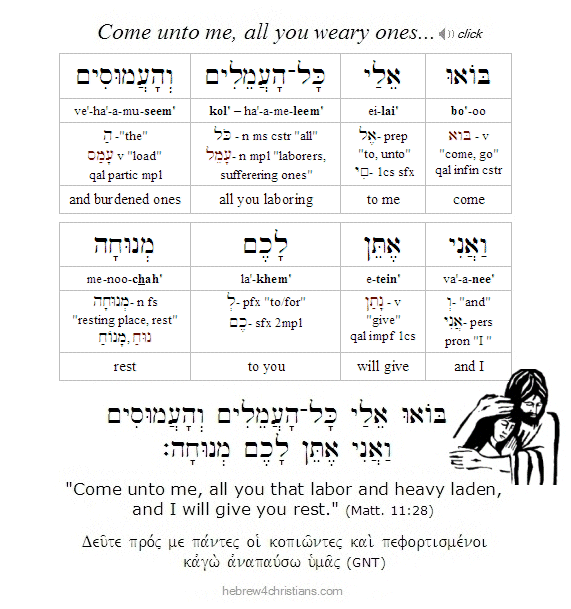
Hebrew Lesson
Matthew 11:28 reading (click for audio):
 |
The Seeking Shepherd...
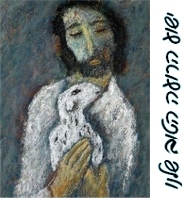
12.04.25 (Kislev 14, 5786) "Those who are well have no need of a physician, but those who are sick" (Matt. 9:12). Even though we are weak, sickly, broken, and sinful people, we must never lose hope and begin to fear that we are worthless in the eyes of heaven... Indeed, our infirmities are often a blessing in disguise, a gift that reveals our need...
If you are sinful and sick, you are invited to come before the Master for life and rescue from the power of sin. Take your place among the lepers, the tax collectors, the outcasts... you will never hear Him criticize you or shame you for sincerely coming to Him for healing of your sinful state... "For the Son of Man came to seek and to save the lost" (Luke 19:10).
Yeshua is the Good Shepherd (הָרעֶה הַטּוֹב) who leaves his "flock of 99" sheep to find the one sheep who is lost (Matt. 18:12-14). He is always like that – He is always seeking and saving the lost sinner; He is always offering life and healing to those who have been made sick with the plague of sin. Thank God we have a Savior who seeks us out in our desperate need!
Hebrew Lesson
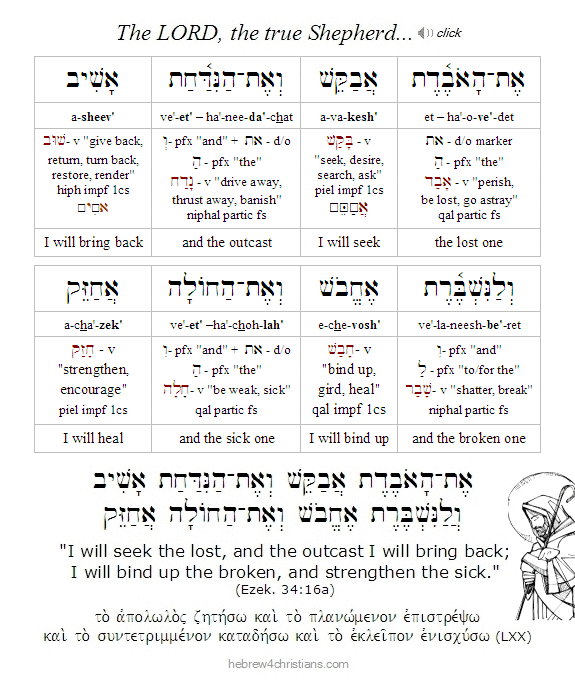
Ezekiel 34:16 reading (click):
 |
King David wrote, "You have given those who fear you a banner (נֵּס לְהִתְנוֹסֵס) for the sake of the truth" (Psalm 60:4), which Rashi interprets as, "You have given hardships and suffering to those who fear you to elevate them in the way." Indeed the word nes (נֵּס) can mean "banner" (as on the mast of a ship), a "sign" (or miracle), or a "test" (nisayon). God tests those who fear Him in order to help them become a miraculous sign to the world at large. Ultimately, the sign or miracle is the gift of Messiah's suffering on our behalf and His resurrection for our justification (Isa. 11:10). Even in the face of our enemies who have breached the land, we have the promise of victory in Adonai Nissi (יְהוָה נִסִּי), God my Miracle.
Our Lord is full of grace and compassion; He does not merely remain standing and waiting but goes out to search, as a shepherd sets forth to search for the strayed sheep. May you, dear broken and contrite one, hear the word of His hope calling out for your soul... He is your Shepherd, your Healer, and your Miracle. May you come beneath His banner of truth and love to find eternal refuge.... Amen.
|
The Limp of Jacob...
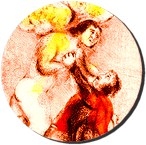
12.03.25 (Kislev 13, 5786) Our Torah portion for this week (i.e. Vayishlach) includes the account of how Jacob separated himself from his family to pray just before he was to encounter his estranged brother Esau. Sometime during his prayers, however, and a mysterious "man" appeared out of nowhere and confronted him. The details of this confrontation are not given, but apparently Jacob felt the need to wrestle with this man, and the match went long into the night. Just before daybreak, however, the man "wrenched Jacob's hip socket" so that his hip was dislocated, but Jacob - undoubtedly in pain - still refused to let go. Jacob then said to the man: "I will not let you go unless you bless me." This is the first hint that this was no ordinary man, but rather a "theophany," that is, a revelation of the LORD Himself.
The "man" then asked Jacob, "What is your name?" and he replied, "Jacob" (i.e., יַעֲקֹב, "supplanter" or "grappler"). Then he said, "Your name shall no longer be called Jacob, but Israel (יִשְׂרָאֵל), for you have striven (שָׂרִיתָ) with God and with men, and have prevailed." Then Jacob asked him, "Please tell me your name." But he said, "Why is it that you ask my name?" And there he blessed him" (Gen. 32:28-29).
Note that the blessed name "Israel" is a "play on words" from lisrot (לִשְׂרוֹת) meaning "to contend or wrestle" (3ms imperfect יִשְׂרֶה, "he wrestled") combined with the word "God" (אל) as the direct object, and therefore "Israel" can be understood as "God wrestler."
A clue that this is a valid interpretation of the name "Israel" comes from the prophet Hosea who wrote: "In the womb he (i.e., Jacob) took his brother by the heel, and in his manhood he strove with God (שָׂרָה אֶת־אֱלֹהִים); yea he strove with the Angel (וָיָּשַׂר אֶל־מַלְאָךְ) and prevailed; he wept and sought his favor" (Hos. 12:3-4).
At any rate, we know that the mysterious Man was none other than God himself, both because Jacob named the place of his struggle "Peniel" (פְּנִיאֵל), "God's face" (Gen. 32:30) and later the LORD met with Jacob at Bethel and there reaffirmed his new name as "Israel" (see Gen. 35:10).
It is interesting that following the narrative of Jacob's struggle with the angel, Moses added the comment: "This is why the people of Israel do not eat "gid ha'nasheh"(the nerve that passes along the hip socket) to this day, because he (i.e., the angel) struck Jacob's hip at its socket" (Gen. 32:32).
This verse is peculiar because it interjects a dietary restriction in relation to Jacob's limp as a memorial of his struggle, namely that the descendants of Israel would remember the origin of their heritage. Structurally it is a bit odd to read Moses' comment about this event in narrative of the Torah, especially since Jacob's ordeal with the Angel had occurred long before Moses' time, but there are no wasted words in the Torah, and therefore these questions provide an opportunity to look deeper into its significance.
So why did the Israelites make it a custom not to eat the nerve (i.e., gid: גִּיד) of a slaughtered animal, including the tendon (i.e., nasheh: נָשֶׁה) that runs down the back of the leg of an animal (together this is called gid ha'nasheh (גִּיד הַנָּשֶׁה)? After all, most Jews would never think of eating the nerve and tendon of an animal, and therefore the sages sought for a metaphorical meaning regarding Moses' statement, and they came to associate the gid ha'naseh with the carnal nature, that is, with animal forces of earthiness and bodily desire (i.e., the "flesh" in the New Testament), and that it why God had crippled Jacob there.
Others note that the term gid ha'nasheh can literally be read as the "nerve (or sinew) of forgetfulness," from the root word nashah (נָשָׁה) meaning to "forget" (see Gen. 41:51). Understood this way the custom not to eat this part of an animal was meant to teach us to forget the carnal ways of our past to move forward in victorious faith (Phil. 3:13-14).
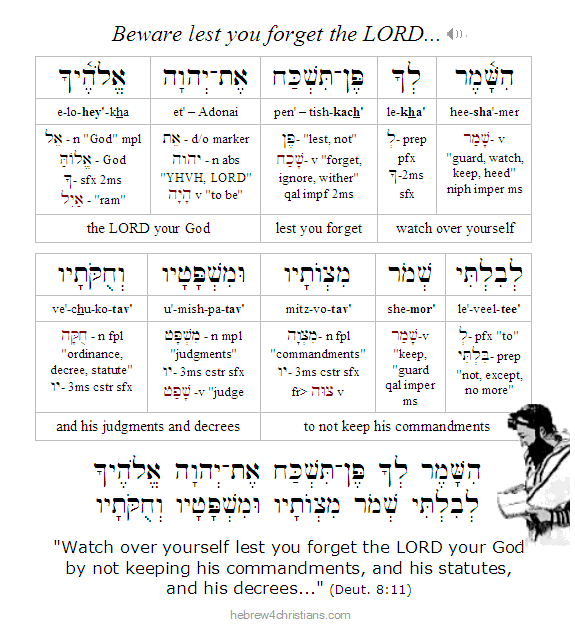
It is said by the sages that a person who is proud and haughty is like one who denies the existence of the LORD, as it is written: "And your heart will become haughty (וְרָם לְבָבֶךָ) and you shall forget the LORD your God (וְשָׁכַחְתָּ) who brought you out of the house of slavery" (Deut. 8:14). Note that the Hebrew word for "forget" (i.e., shakhan: שָׁכַח) can mean to wither (ξηραίνω) and become useless (John 15:6, James 1:11). As it is written in Psalm 137:5, "If I forget you (אֶשְׁכָּחֵךְ), Jerusalem let my right hand wither (תִּשְׁכַּח)." Likewise Yeshua taught us to "abide" in Him lest we should be removed from the root and wither (see John 15:1-8).
Pride is the original sin itself, denying the very First Commandment itself: "I am the LORD thy God (אָנכִי יְהוָה אֱלהֶיךָ) who brought you out of the house of slavery" (Exod. 20:2). Exalting the ego by "forgetting" about the LORD - that is, by suppressing the truth of His reality, power, and glory - invariably leads to inward withering. Just as the ego attempts to "puff itself up" and to enlarge itself, so forgetting about God leads to a corresponding withering of soul, a diminution of heart. This is yet another example of the spiritual principle: "the first shall be last and the last shall be first" (Mark 9:35; Matt. 20:25-26).
Hebrew Lesson
Psalm 137:5 Hebrew reading (click):
 |
The Victory of Grace...
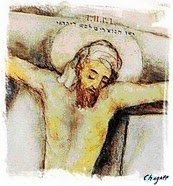
"The unwounded life bears no resemblance to the Rabbi." - Brennan Manning
12.02.25 (Kislev 12, 5786) You've likely have heard the saying, "hate the sin, love the sinner," and while it is true that we should hate sin (most of all, our own sin), it is contrary to the gospel to hate the sinner. After all, Christ died for the ungodly; he came to seek and to save those who are lost (Luke 19:10). "God demonstrates his love for us, in that while we were yet sinners, Yeshua died for us - the just for the unjust - that we may reconciled with him (Rom. 5:8; 1 Pet. 3:8; 2 Cor. 5:21). Indeed Yeshua was maligned by the self-righteous of his day by being called "a friend of tax collectors and sinners" (Luke 7:34, 15:2). So it is a spiritual misstep to hate the sinner because we hate their sin.
On the other hand the sages have repeatedly taught that love cannot take root within our hearts unless there is a hatred of the enemy, that is of the devil and sin. Indeed to hate sin indicates love for the sinner because sin inevitably yields suffering and loss (Psalm 97:10).
So how is it possible to love others - including ourselves - if we do not hate evil? How can we exist within this state of inner contradiction? Doesn't "holiness" mean separation from what is evil and to no longer partake of "works of darkness" that mark a godless life? (Rom. 13:12; Eph. 5:11; 1 Pet. 4:1-3). Is that not the meaning of "sanctification"?
How can we love someone who does evil? Well, it's not really that difficult. Indeed, as C.S. Lewis once observed, we love someone who does evil all the time - namely, ourselves! "You dislike what you have done, but you don't cease to love yourself. You may even think that you ought to be hanged... Love is not affectionate feeling, but a steady wish for the loved person's ultimate good as far as it can be obtained." The point Mr. Lewis makes is simple. If we are able to love ourselves despite our shortcomings and faults, surely we ought show the same compassion to others. "Forgive us our sins as we forgive others," Yeshua said, for if we do not forgive others, we ourselves remain unforgiven (Matt. 6:12-15).
It's easy enough to love goodness; it's no struggle to desire or cling to our supposed ideals. Even the pagans do as much. But Yeshua wants us to go beyond these sorts of natural affections to the realm of the divine, that is, to love our enemies and to care for them (Matt. 5:44; Luke 6:27). But how is that love possible if it is not a decision, an act of will to unconditionally give goodness to others (including ourselves)? When we pray and ask God to forgive us, our spirit cannot say "amen" and receive pardon unless we trust in God's unconditional love for us. And this is the very love he wants us to give to others...
Still, there is this tension within us - the "demand" to be perfect alongside the reality of our daily imperfections.... Since we must, however, coexist with evil, what is essential is for us is to remain righteous by holding God's goodness close to our hearts. This is the goodness of God's unconditional love, his grace that overcomes all the evil in ourselves and others.
The devil seeks to steal, kill, and destroy; he wants to steal goodness from our hearts. He tempts us to judge ourselves and others as being no good, unworthy, sinful - and therefore unlovable. To overcome this temptation is a work of faith wherein we re-accept that we are accepted by God on account of his great love. That is the meaning of the redemption, after all, that God so loves you that he bears your evil and loves you in spite of it all. Yes, the Lord will help us and transform us so that we will learn to walk in love and stop being evil, but we love God because he first loved us. Or as C.S. Lewis again said, "the Christian does not think God will love us because we are good, but that God will make us good because He loves us."
The only way we can overcome our inner evil is by the power of faith, seeking God in all things, and understanding that his redemptive love is our salvation. Practically speaking this means learning to see the good in all things, and especially in others. We have to overlook much, to forgive much, and so on, but that is what Yeshua meant when he said "judge righteous judgment" (John 7:24). Such righteousness "sees beyond" superficial appearance to discern the underlying good. It is seeing by the truth of mercy and by the truth of hope more than "factual" seeing... The Hebrew word for "righteousness" is tzedakah (צְדָקָה), which is a kind of giving to others than goes beyond natural measures of justice, such as "eye-for-eye" retribution or even the reward for doing good.
"Judge righteous judgment." Don't be holier-than-thou, damning others for their sinfulness. If we are not willing to overlook imperfections in ourselves and others, we will be miserable, angry, and hateful people. As Fredrick Nietzsche once cautioned those who "true believers" in themselves: "Whoever fights monsters should see to it that in the process he does not become a monster, and if you gaze long enough into an abyss, the abyss will gaze back into you." Again, we overcome the power evil by means of the greater power of the good. And that's really the message of the cross, after all: God overcomes evil by means of love. Focusing on the good does not deny that sin and evil are real problems, but it ensures that our response to such is grounded in the true love that overcomes the darkness. Amen.
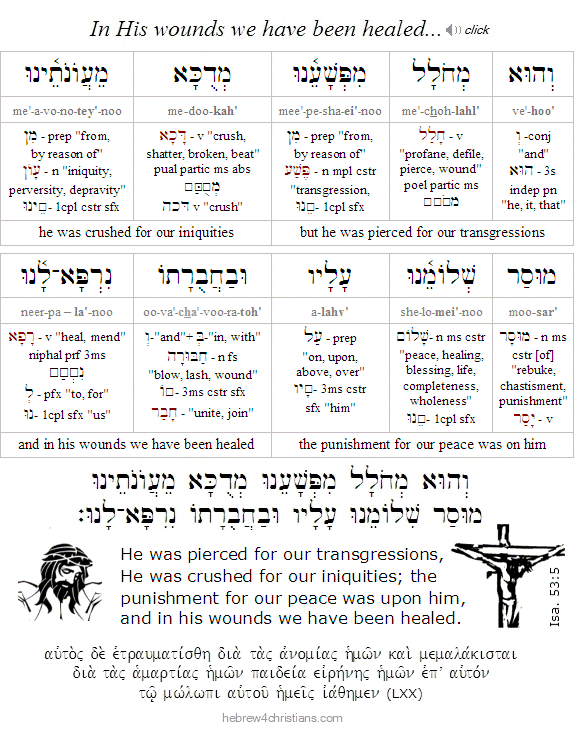
Hebrew Lesson
Isaiah 53:5 Hebrew reading (click):
Raised from the Dust...
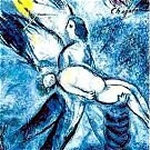
12.02.25 (Kislev 12, 5786) In his appeal to God for help before meeting with his brother Esau, Jacob prayed: "I have been diminished (קָטנְתִּי) by all the kindness and all the truth you have done for your servant" (Gen. 32:11). Jacob was "made small" through the revelation of God's love and truth, and the focus shifted away from himself to God: "He must increase, but I must decrease" (John 3:30). Jacob's subsequent wrestling with the Angel pictured birth pangs, the throes of his spiritual rebirth. Rashi notes that the word translated "wrestled" (i.e., va'ye'avak: וַיֵּאָבֵק, Gen. 32:24) is related "raising dust" (i.e., avak: אָבָק), which suggests resurrection from the dust of death. The struggle – the death match – was to bury old the Jacob and to raise him up as "Israel," a prince of God the King.
קָטֹנְתִּי מִכֹּל הַחֲסָדִים
וּמִכָּל־הָאֱמֶת
אֲשֶׁר עָשִׂיתָ אֶת־עַבְדֶּךָ׃
ka·ton'·tee · mee·kol · ha·cha·sa·deem
oo·mee·kol · ha·e·met
a·sher · a·see'·ta · et - av·de'·kha

"I am not worthy of the least of all the deeds of love
and all of the faithfulness
that you have done for your servant."
(Gen. 32:10)
Yeshua told us we must "forget ourselves" in order to find eternal life: "If anyone would come after me, let him deny himself and take up his cross and follow me. For whoever would save his life will lose it, but whoever loses his life for my sake will find it" (Matt. 16:24-25). Note that the phrase translated "deny himself" comes from a Greek verb (ἀπαρνέομαι) that means "to affirm that you have no acquaintance or connection with someone," and is the same verb used when Peter denied the Messiah (from α-, "not," + ῥέω, "to speak").
To deny yourself, then, means to disregard and "betray" the selfish impulse that seeks to rule the ego in your daily life. It is a "putting off" of the old nature and a "putting on" of the new (Eph. 4:22-24). Put positively, denying yourself means focusing on the greatness of God and his great love for your soul. Doing so is the means to escape walking according to the flesh and to find life according to the Spirit of God (2 Cor. 5:16-17).
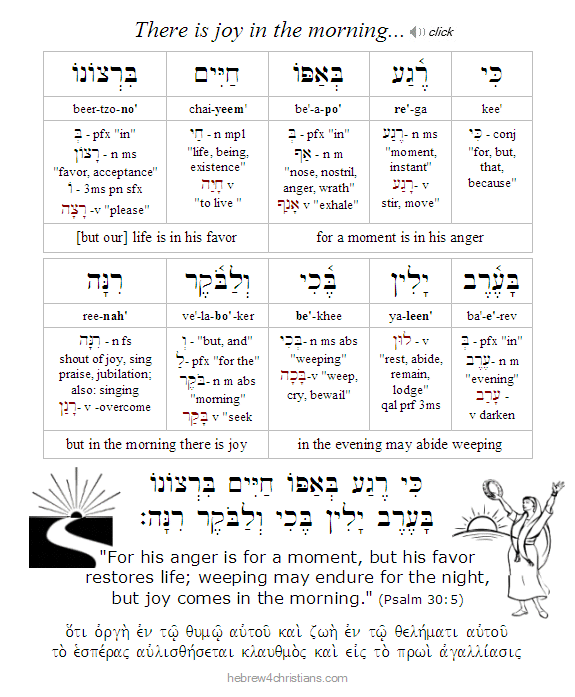
Hebrew Lesson
Psalm 30:5 reading (click):
Wrestling to Surrender...
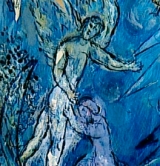
The following entry is related to this week's Torah reading, parashat Vayishlach...
12.01.25 (Kislev 11, 5786) Before he could return from his exile, Jacob had to face his fears and wrestle with God. The outcome of the struggle was a blessing, as signified by a new name, "Israel" (יִשְׂרָאֵל), meaning one who who perseveres (שָׂרָה) with God (אֵל). Jacob finally prevailed with God when the power of his faith overcame the pain of his past... Jacob's story teaches that before we can return from our place of exile, we have to face our fears and wrestle over who we really are. As I mentioned the other day, each of us must be renamed from Jacob to Israel, from being a manipulator to one who surrenders to God's power and blessing. Just as Jacob finally prevailed with God when the power of his faith overcame the pain of his past, so we can escape from our own exile - the prison of our past - by proclaiming from the heart: "I have seen God face to face, and yet my life has been delivered" (Gen. 32:30).
The prophet Hosea adds insight about Jacob's great struggle of faith and how it eventually led to the revelation of God at Bethel: "He [Jacob] fought with the Angel and prevailed; he wept and pleaded with Him. He found Him at Bethel, and there He spoke with us; even the LORD, the God of hosts; the name of the LORD is His memorial" (Hosea 12:4-5).
וָיָּשַׂר אֶל־מַלְאָךְ וַיֻּכָל בָּכָה וַיִּתְחַנֶּן־לוֹ
בֵּית־אֵל יִמְצָאֶנּוּ וְשָׁם יְדַבֵּר עִמָּנוּ
וַיהוָה אֱלהֵי הַצְּבָאוֹת יְהוָה זִכְרוֹ
vai·ya·sar · el · mal·akh · vai·yu·chal · ba·khah · vai·yit·cha·nen · lo
bet · el · yim·tza·e·nu · ve·sham · ye·da·ber · im·ma·nu
va·do·nai · E·lo·hei · ha·tze·va·ot · Adonai · zikh·ro
"He [Jacob] struggled with the Angel and prevailed;
he wept and made supplication to him.
He found Him at Bethel and there He spoke with us;
even the LORD, the God of hosts; the name of the LORD is his memorial."
(Hosea 12:4-5)
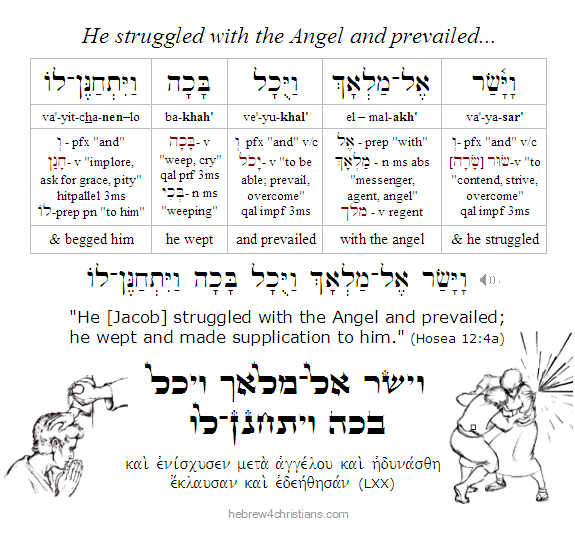
Jacob wept and made supplication to the Angel, a fact left unmentioned by Moses' account in the Torah (Gen. 32:24-30), though it was perhaps hinted at in Jacob's urgent prayer before the climactic conflict: "I am not worthy of the least of thy tender mercies..." (Gen. 32:10). This shows that the struggle was spiritual, not physical, and that Jacob finally "won" the fight by paradoxically submitting himself to God... The injured thigh (gid ha'nasheh) was a token of Jacob's surrender to the Angel (Gen. 32:25, 31), and it was only after his flesh was wounded that Jacob's life was empowered by God to take hold of the realm of promise, as signified by his return to Bethel... The story is ultimately about death and resurrection: Ultimately, Israel was wounded so that he could know that the LORD "gives power to the faint, and to them that have no might, he increases strength" (Isa. 40:29).
The story might seem a bit confusing, but there is no question that Jacob had literally overpowered the Angel of the LORD in a physical wrestling match. The story serves as a parable for us regarding surrendering our hearts to God. Notice that Jacob continued to wrestle until he was injured by the Angel of the LORD, after which he simply "hung on" for dear life until he received the blessing he so desperately sought. In other words, Jacob discovered that struggling and resisting God were useless for the blessing to be secured, so he simply yielded in submission.... This was the turning point of his life, the moment when his new name and identity were bestowed. The LORD surely could have overpowered Jacob to submission, but God was teaching Jacob the power of surrendering his will. In the end, the New Testament attests to change that issued from Jacob's brokenness: Despite some additional struggles he later faced with the flesh, he was able to die with the blessing of God to impart to his children (Heb. 11:21).
|
Knowing your true name...

The following entry is related to this week's Torah reading, parashat Vayishlach...
12.01.25 (Kislev 11, 5786) Some people make it the business of theology to know God's Name, but God begins by first asking for our name instead. Recall that Jacob had disguised who he really was in the hope of obtaining the blessing (Gen. 27), though his duplicity forced him into an exile that lasted until he was finally willing to be honest with himself. And like Jacob, each of us must answer God's question: "What is your name?" (Gen. 32:27).
When we "wrestle through" this question to face who we really are, we encounter God and find our blessing, that is, our true identity. Each of us has to go through the process of being renamed from "manipulator" (i.e., Yaakov) to "one in whom God rules" (i.e., Israel). But note the order: it is only when we "tell God our name," that is, own who we really are, that He meets with us "face to face" (Gen. 32:30). You will not be able to say, "I will not let you go unless you bless me," until you are willing tell God your name (Gen. 32:26-27).
Let me add that while "telling God your name" can be painful and even frightening, it is not the last word about who you really are. We are faced with an inner dualism as we struggle to take account of our lives. On the one hand, we need to confess the truth of our sinfulness, brokenness, and so on, while on the other we must endure ourselves and find faith that God's blessing nevertheless belongs to us, despite the mess we've made of our lives.... The Apostle Paul said "by the grace of God I am what I am" because he understood whatever he was came only by God's love and blessing of his life (1 Cor. 15:10).
We have to be willing to accept God's new name for us and to believe that God will miraculously transform our inner nature for good. We are renamed from Yaakov to Israel, though we still know ourselves as both. Jacob was renamed "Israel" but afterward he walked with a limp, seeing both the new and the old natures within him. Jacob still struggled, though his struggle was now focused on walking as God's beloved child in this world: the limp was given to help him lean on the Lord for support.
Part of spiritual growth involves learning to "endure yourself." Many are able, it seems, to receive the hope that they are forgiven for their past sins, but they are subsequently scandalized by encountering their own inner struggles, and they eventually despair over their ongoing weakness... Tragically, some are even tempted to regard the warfare within the heart as a sign of being devoid of all saving grace! We must remember, however, that there is a real struggle between the desires of the flesh and the desires of the Spirit (Gal. 5:17). We must never move away from simple trust in the message of God's unconditional love demonstrated at the cross; we must never seek to legitimize our place in God's heart.
"To the one who conquers, I will give him some of the hidden manna, and I will give him a white stone, and on that stone will be written a new name that no one can understand except the one who receives it' (Rev. 2:17). When we walk by the Spirit, we overcome the judgment of the law (Gal. 5:18), which is to say, we no longer identify ourselves with being outside of God's love and acceptance. Our new name comes from intimate trust that our Father knows us as his beloved. Just as we are saved by the love of God, so are we changed, and so will we grow.
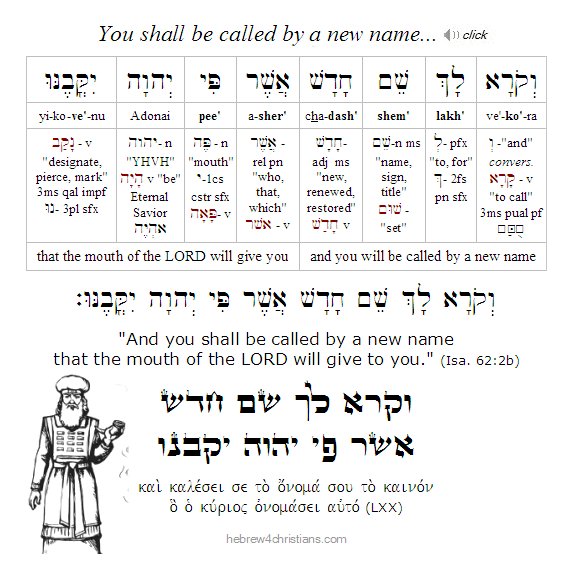
Hebrew Lesson
Isaiah 62:2 reading (click):
Related podcast:
<< Return
|
|