 |
|
|
|
|
|||||||||||||||||
 |
|||||||||||||||||||||
|
|||||||||||||||||||||
 |
|||||||||||||||||||||
|
Learn Hebrew |
|||||||||||||||||||||
















|
|
||
 |
|||
 |
|||
|
|
 |
|
|
||||||||||||||||||||||||||||||||||||||||||||||||||||||||||||||||||||||||||

|
|
|
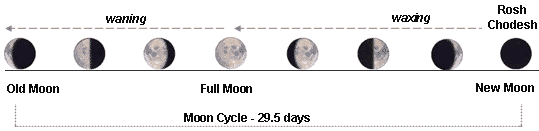
It takes about 29.5 days for the Moon to orbit the Earth. During each lunar orbit, the Moon's appearance changes from not visibly illuminated (a new moon) through partially illuminated (a waxing crescent) to fully illuminated (a full moon), then back through partially illuminated (a waning crescent) to not illuminated again (a new moon). This cycle of moon phases is called a lunation: |
|
|
 |
|
|
||||||||||||||||||||||
|
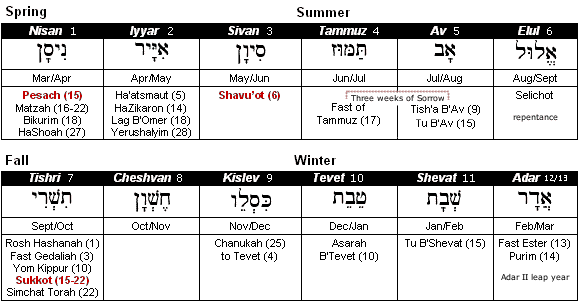
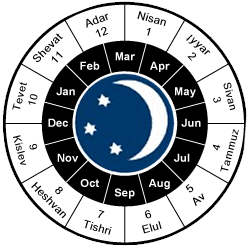
The first time that the waxing crescent of the Moon is visible (from Jerusalem) marks the beginning of a Jewish month, called Rosh Chodesh ("head of the month"). Twelve chodashim make a shanah or year (however, since 12 x 29.5 equals 354 days, but a solar year is 365 days, an extra month (called Adar Sheni) is added to the Hebrew calendar every two or three years in order to keep the solar seasons aligned with the lunar calendar). Since a Hebrew month may be either 29 or 30 days long, Rosh Chodesh may occur at two times during a given month of the year:
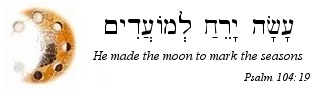
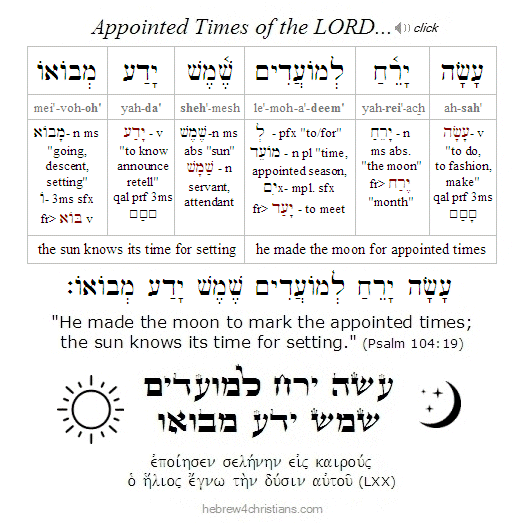
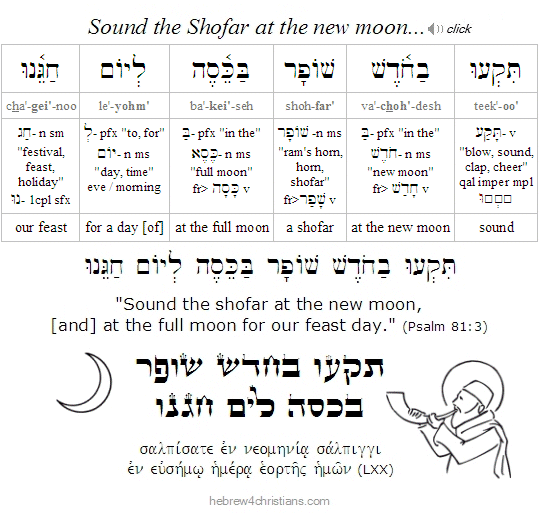
עָשָׂה יָרֵחַ לְמוֹעֲדִים ah·sah · yah·re'·ach · le·moh·a·deem "He made the moon to mark the appointed times;
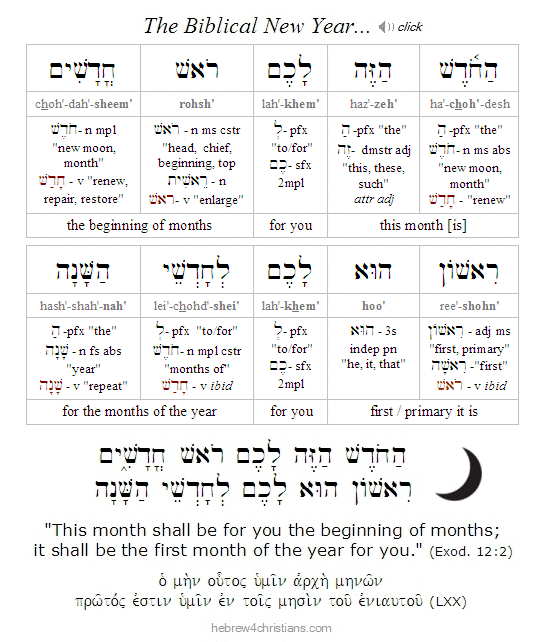
According to Rabbinic tradition, the very first commandment given to the children of Israel after being delivered from Egypt was to sanctify the new moon (Exodus 12:1-2), thereby causing the fledgling nation to depart from the solar tradition of the Egyptians (Ra worship) and to look to the moon for a new means of reckoning time and seasons: הַחֹדֶשׁ הַזֶּה לָכֶם רֹאשׁ חֳדָשִׁים ha·cho'·desh · ha·zeh · la·khem · rosh · cho·da·sheem "This month shall be for you the beginning of months;
The emergence of the moon - from darkness to light - is a picture of God's salvation for the Jewish people and our personal deliverance from darkness to light. Note that the word for month is chodesh, etymologically related to chadash, meaning new.
The Bible begins and ends with the Tree of Life (עֵץ חַיִּים) -- first in the orchard of Eden, and then in the midst of the paradise of heaven. "The Tree of Life (etz ha-chayim) was in the midst of the garden.." (Gen. 2:9). "Then the angel showed me the river of the water of life, bright as crystal, flowing from the throne of God and of the Lamb through the middle of the street of the city; also, on either side of the river, the Tree of Life (etz ha-chayim) with its twelve kinds of fruit, yielding its fruit each month...." (Rev. 22:1-2).
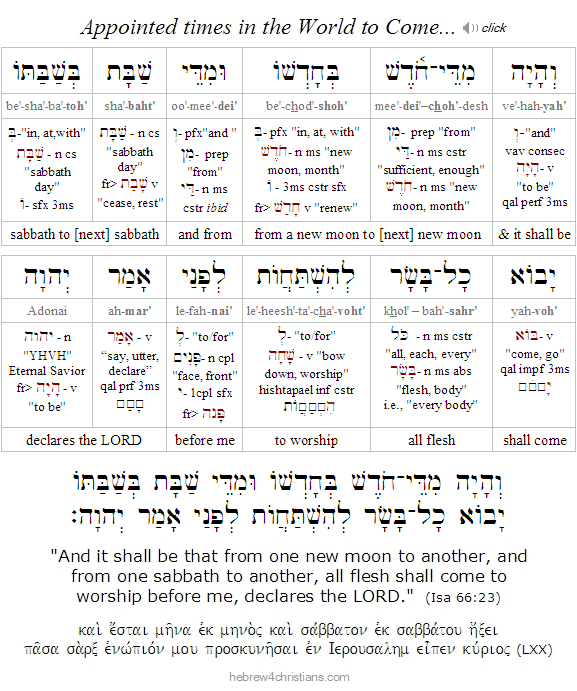
וְהָיָה מִדֵּי־חֹדֶשׁ בְּחָדְשׁוֹ ve·ha·yah mee·dei-cho'·desh be·chod·sho "And it shall be that from one new moon to another,
In other words, there is an eschatological (future) dimension to the New Moon and it is therefore part of our future heritage with the LORD God of Israel. While we are therefore not (legalistically) obligated to observe the Sabbath or the New Moon, we nonetheless recognize that they are part of the divine calendar that the LORD Himself instituted, and that they therefore have spiritual application to our lives as believers living under the terms of the New Covenant (Gal. 4:4). As members of the household of Israel (Eph. 2:12-20), we don't "have to" observe the moedim (holidays, appointed times) - but it surely is an honor and great joy to do so, especially when we appreciate how the glory of Yeshua is revealed in each of them. Yeshua the Messiah - the same yesterday, today, and forever (Heb. 13:8). If the Sabbath occurs exactly one day before the new moon, however, it is called Shabbat Machar Chodesh (מָחָר חדֶשׁ, "Shabbat of tomorrow's moon") and a different Haftarah portion (i.e., 1 Sam. 20:18-42) is read instead of the assigned weekly Haftarah.
Hebrew Lesson:
|

|
|
|
|
|
|
|
|
|
|
|
|
|
|
|
|
|
|
|
 |
||||||||||||||||||
 |
||||||||||||||||||
 |
||||||||||||||||||
|
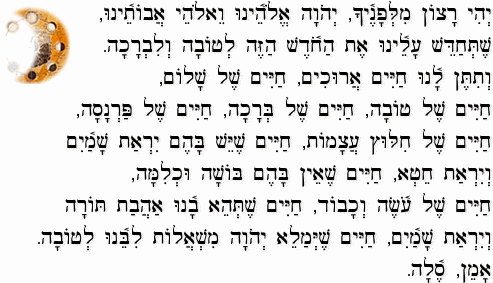
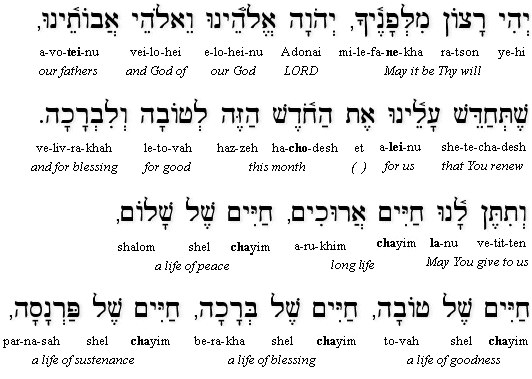
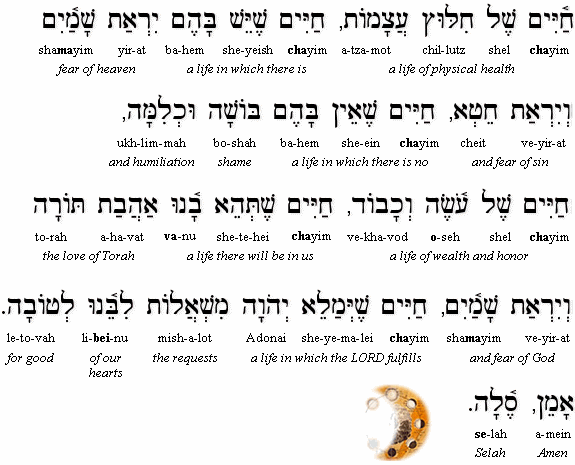
May it be Thy will, LORD, our God and God of our fathers, that You renew for us this month for good and for blessing. May You give to us long life, a life of peace, a life of goodness, a life of blessing, a life of sustenance, a life of physical health, a life in which there is fear of heaven and fear of sin, a life in which there is no shame or humiliation; a life of wealth and honor, a life in which we love Torah and fear God; a life in which the LORD fulfills the requests of our hearts for good. Amen. Selah. |
||||||||||||||||||
|
The Molad (time announcement) |
||||||||||||||||||
 |
||||||||||||||||||
|
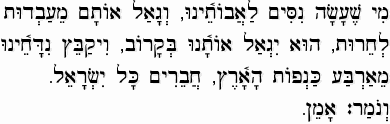
The One who performed miracles for our forefathers and redeemed them from slavery to freedom, may He redeem us soon and gather in our exiles from the four corners of the earth; then all Israel shall be friends. Let us say: Amen. |
||||||||||||||||||
|
The chazzan (cantor) then announces the precise time of Rosh Chodesh in Jerusalem: |
||||||||||||||||||
 |
||||||||||||||||||
|
Rosh Chodesh (Hebrew month) will be on the day (Hebrew day of the week) that comes to us and to all Israel for good. |
||||||||||||||||||
|
Transliteration: |
||||||||||||||||||
 |
||||||||||||||||||
|
||||||||||||||||||
|
|
 |
|
|
|
Yehi ratzon milefanekha, Adonai Eloheinu veilohei avoteinu, |
|
|
|
|
|
Rosh Chodesh Blessing |
|
|
|
Often Psalms are recited or sung, and then, while looking at the moon, the following blessing is recited: |
|
|
|
|
|
|
יְהִי רָצוֹן מִלְּפָנֵיךָ יהוה אֱלהֵינוּ ye·hi · ra·tzon · mil·fa·ne'·kha · Adonai · e·lo·hey'·noo "May it be Your will, LORD our God and God of our fathers, |
||||
|
|
||||
|
The New Moons of the Jewish Year |
||||
|
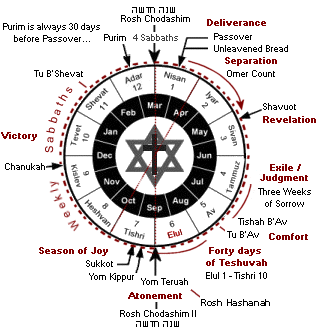
The New Moon (the start of every Jewish month) is a pivotal time in the Jewish Calendar, since it "calibrates" the holidays and Sabbaths for the rest of the year. In ancient times, the new moon was established through observational methods, though Hillel II is traditionally regarded as the creator of the modern (fixed) calendar that has been accepted as authoritative for the worldwide Jewish community. |
||||

|
|
 |
|
|
 |
|
|
|
|
|
Click for more information: |
|
|||||||||||||
|
|
|

|
|
|
|
|
|
|
|
|
|
|
|
|||||||
|
Hebrew for Christians |
|||||||
 |
|||||||
|
|||||||