|
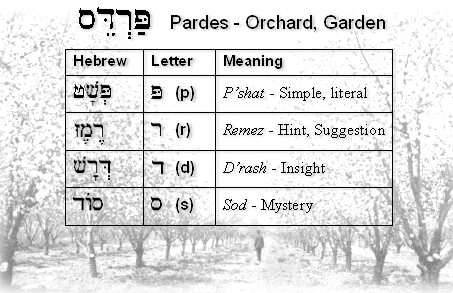
Regarding religious language there are three basic options. Univocal speech is that which has only one meaning; equivocal speech is that which has many meanings, and analogical speech has an "additional level" of meaning (i.e., ana + logos) that is similar to univocal but transcends it to apply to a different order or aspect of reality. Those who believe that Scripture is God's divinely inspired word generally hold to univocal and analogical reading of the texts, using grammatical-historical methods to discover the context and the original intent of an author, though with the rise of postmodern Christianity, equivocal reading has become fashionable. The problem with equivocal readings, however, is knowing where the semantic line should be drawn regarding significant interpretation and meaning. Postmodern Christianity tends to disregard the primacy of original intent in favor of the reader's intent to locate meaning in a given text, and that of course leads to subjective interpretations of various kinds. Generally speaking Jewish interpretive tradition quotes the Scripture: "One thing God has spoken; two things have I heard" (Psalm 62:11) to suggest that pluralistic interpretations are possible, and this has led to the saying shivim panim la'Torah, the Torah has "seventy faces," by which is meant that there are multiple facets of a given text and each has their place, though each will be grounded in the most basic level, called p'shat, or the plain sense of the original author, and any other facets inferred or derived will ultimately be consonant with that fundamental level. We also see this pluralistic approach in mystical readings of Torah with the division of four general semantic levels described using the term "Pardes," an acronym that stands for p'shat (plain sense), remez (allegorical sense), drash (moral sense), and sod (mystical or mysterious sense). Yeshua, of course spoke in parables and analogies all the time, and moreover as a prophet he also spoke mysterious and miraculous words that foretold the future, and so on, though his message of salvation -- that is, that he was to offer up his life as the sacrificial Lamb of God to repair for the sins of the world -- was intelligible to all "with ears to hear," even if sometimes people misunderstood his meaning
I should add, however, something I think is very important in this regard. Do not attempt to do "deeper analysis" of the Scriptures until you have first mastered P'shat. This is why Rashi is so important to us. "What's troubling Rashi?" is the FIRST step to exegesis -- first be sure you understand the plain, historical meaning of the text before you launch out into speculations and mystical readings!!!
|