|
May 2026 Updates (continued)
Note: If any page content appears to be missing, please refresh the page...
Created for God's Love...
"The man who is not afraid to admit everything that he sees to be wrong with himself, and yet recognizes that he may be the object of God's love precisely because of his shortcomings, can begin to be sincere. His sincerity is based on confidence, not in his own illusions about himself, but in the endless, unfailing mercy of God." - Thomas Merton
05.06.26 (Iyyar 19, 5786) One of the most important questions of life is: "What does it mean to be human?" or to put it another way, "Who or what am I?" This question is important because how we think of ourselves will determine how we choose to live our lives.
The Torah teaches that human beings are directly created by God; each of us is unique and has been imparted nishmat chayim (נשׁמת חיים), the sacred "breath of life." Every human being therefore owes his or her existence to the creative (and sustaining) power of God (Gen. 1:27, 2:4; Col. 1:16-17; John 1:3; Heb. 1:2).
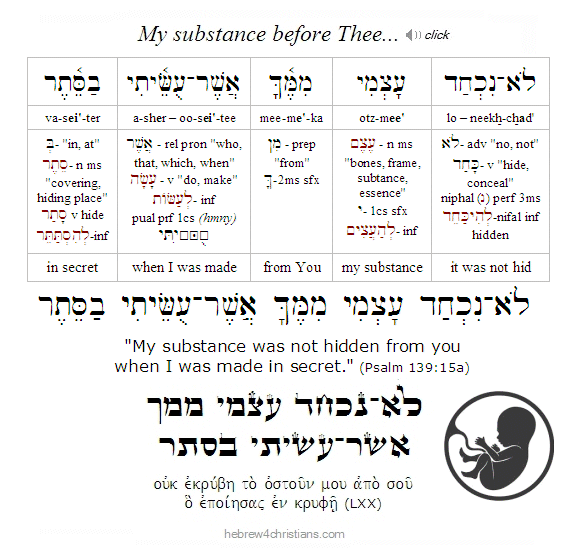
God made you in the "secret places" of the depths -- yesh me'ayin (ישׁ מאין), "out of nothing" -- for His own sovereign will and eternal purposes (Psalm 139:15, Rev. 4:11). This is implied in the name YHVH (יהוה) itself, the One who is the Source and Ground of all that exists. Unlike concepts derived from classical Greek philosophy, however, God is not an abstract and indifferent power behind the phenomenal realm, but is revealed as אלהי אברהם אלהי יצחק ואלהי יעקב - "the God of Abraham, Isaac, and Jacob," the One who calls people to be in a relationship of trust with Him (Exod. 3:15). Ultimately you can only know yourself and why you exist as you embrace the truth of God and his love for you.
We are created for relationship with God, to know God and to love Him forever, but until our lives find their substance in that relationship, we remain existentially anxious and in secret dread... This relationship is more than that of knowing God as the Creator, but further as the source of your own heart, the center of your dreams, and the vision of your purpose for existence. The language of love goes beyond that of imperative: it seeks to "upbuild" the person and to elevate them to be the beloved...
Therefore people are free to accept the love God, or free to reject it, because love does not coerce but honors the individual's choice. Nevertheless - and paradoxically enough - a choice must be made, and there is no way to opt out of the call to freedom. Not choosing to receive the love of God is tantamount to rejecting that love. This is the side of the relationship that God reserves as your Creator: you are free to choose, but choose you must....
Of course the "choice" to trust is a dynamic process, an "education for eternity," wherein we learn to be healed of our divided hearts and to focus wholeheartedly on the blessing of God's personal love for us. The process is a humbling one, requiring a lifetime of teshuvah... God "demands" that you choose the good so that you can freely choose his love. We are being disciplined by heaven to learn how to order our affections and to freely exercise our will. Therefore "work out your own salvation with fear and trembling, for it is God who works in you, both to will and to work for his good pleasure" (Phil. 2:12-13).
As our Lord said: "Unless you turn (shuv) and become like children, you will never (οὐ μὴ) enter the kingdom of heaven" (Matt. 18:3). Such is the importance of simple trust in God... Indeed Yeshua repeatedly taught us to trust God as "Abba," our Father (אבא אבינו). He taught that we are warmly accepted as part of his family; that we are under his constant care; and that we live within his household as beloved children...
Though God is utterly transcendent, the Infinite One (אין סוף) and Creator of all worlds, he humbles to behold the smallest things that in heaven and earth (Psalm 113:6). He is as close as your next breath; he is present with you at the table; he anticipates what you need before you ask him...
The “fear of the Lordâ€� is that you will fail to receive his great love for you -- that you will never know who you are and lose yourself in lesser things. Therefore affirm the truth that you are loved with an unending and everlasting love, that you are safe, that you are accepted, and that nothing can ever separate you from the power of love. God your Father hears you, he knows you, and he loves you bekhol levavo (בכל־לבבוֹ) - "with all his heart."
Hebrew Lesson
Psalm 139:15 reading:
Let God, Let God...
"To worry is a sin. Only one sort of worry is permissible; to worry because one worries." - Rabbi Nachman of Bratslav
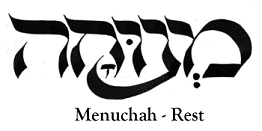
05.06.26 (Iyyar 19, 5786) In our Torah for this week (i.e., parashat Behar), the LORD gave his people instructions about how they were to manage the promised land once they finally entered it. Instead of commanding the people to work hard to sustain themselves, however, God gave them laws of rest – of releasing their hold on the land (see Lev. 25:1-7). During the "Sabbatical years" (shemittah) the land was to lie fallow, and the people could eat only what was produced naturally, without any farming or organized harvesting.
Letting go of the land required the people to trust that God was in control of nature's creative processes, and to acknowledge that the process of growth is mysterious and divine. As Yeshua said: "The Kingdom of God (מַלְכוּת הָאֱלהִים) is like someone who spreads seed on the ground. He goes to sleep and gets up, night and day, and the seed sprouts and grows, though he does not know how. By itself (αὐτομάτη, i.e., "automatically") the soil produces a crop, first the stalk, then the head, then the full grain in the head. And when the grain is ripe, he comes in with his sickle because the harvest has come" (Mark 4:26-29). In other words, the "ordinary" process of the growth of a seed is miraculous and is a gift from above.
The "Torah of the Sabbatical Year" teaches us that creativity and fruitfulness requires that we let go and leave the outcome to God.
Hebrew Lesson
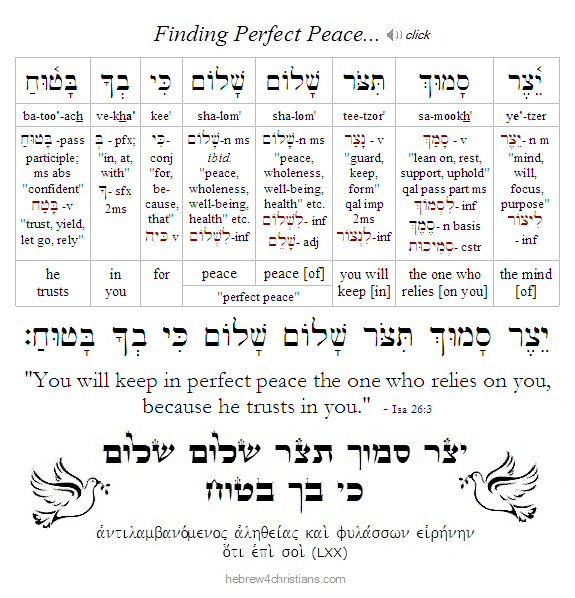
Isaiah 26:3 reading (click):
Remembering our Roots...
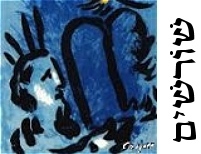
05.05.26 (Iyyar 18, 5786) How important are the Jewish roots of our faith? How important is our heritage in relation to our understanding of God's ways? Our Torah portion this week is called "Behar" from the phrase behar Sinai (בְּהַר סִינַי) found its opening verse (Lev. 25:1). But why does the word Sinai appear in a portion of Torah that discusses social and agricultural laws that were to be observed only later, in the promised land? What does the subject of the Sabbatical Year (shemittah) have to do with the revelation given at Sinai?
The sages say that the Sabbatical year was mentioned in connection with Sinai in order to teach that Moses received not only the Ten Commandments and the revelation of the Tabernacle there, but also specific laws regulating future social and economic practices of the people as well. The law of the Sabbatical year is a case in point, since it would have been absurd for a law that required farmers to abandon their farming practices once every seven years to have been proclaimed while the people were dwelling in the desert...
How important is tradition in our lives? So important that we could not understand even the first word of the Scriptures without it... There is a story that illustrates this point. A pagan came to Hillel seeking to convert to the faith in the LORD but was troubled with the idea of tradition, though he accepted the idea of the written Scriptures. Since the man did not know how to read Hebrew, however, Hillel began pointing to the letters in the written Torah to teach him the alphabet: "This is Aleph... this is Bet... this is Gimmel," and so on, until the man began to understand the letters of the Aleph-Bet. "Now come tomorrow, and I will teach you more." The next day, Hillel pointed to the exact same letters but reversed their names, "This is Gimmel... this is Aleph... this is Bet," and so on. The convert was confused: "But yesterday you said just the opposite!" Hillel replied, "Now you have had your very first lesson. You see that the written word alone is insufficient, and we need the tradition to explain God's Word." Another way to make this point is to say that the Torah was not revealed along with a dictionary that defines the meaning of its words...
I mention this to remind us that the transmission of Torah "from generation to generation" demands that we trust. Indeed the very concept of "Torah" (or Scripture) is bound up with trust and community... This is true of the written word (i.e., trusting in scribal traditions that preserved the Scriptures for us), as well as the oral word (i.e., the customs, interpretations, translations, and wisdom that explain the meaning of the words themselves). Knowledge has been defined as "justified true belief," which implies that there can never be knowledge without trust. It is ludicrous to think that we can translate the Scriptures in a vacuum - all by ourselves without any help from others... We must humble ourselves and become "like little children" to learn from those who have gone before us, and this is why the Jewish value of Talmud Torah - teaching children the words and values of Torah - is regarded as so important. As the Talmud puts it, "The world exists because of the breath of the schoolchildren who study Torah" (Shabbat 119b).
But what about the words of the Holy Scriptures? Don't they transcend cultural factors? Are they not timelessly true and exempt from culturally conditioned ways of reading them? Not at all! Both Christianity and Judaism (as opposed to some other religions) do not worship a "book" that "floated down" from heaven complete with chapters and verses. Nor do we believe in a "divine dictation" theory that claims the Scriptures are "Xerox" duplicates of the words spoken by an angel or other divine being. No, the Scriptures are regarded as the products of history -- sacred history, of course -- but history nonetheless. Therefore we have the same problems trying to discern the meaning of the Scriptures as we do for any other type of literature: Who was the original author and the intended audience? What were the cultural circumstances? Why was this written? What kind of writing is it? Is it a poem (like a psalm), or perhaps an instructional maxim (like a proverb)? Am I reading an historical account, a description of a religious ritual, or something else? First we must know what we are reading - and to understand its historical context. Ignoring this simple rule leads to all sorts of errors in our reasoning and makes us unwitting victims of our own cultural biases. We will find ourselves "reading into" the Scriptures things that just aren't there, chaverim!
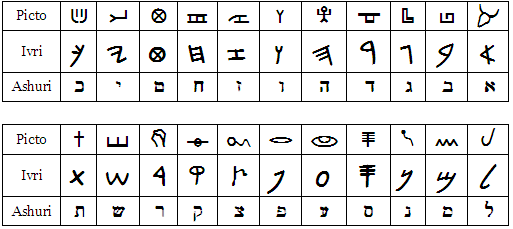
Pictogram, Ktav Ivri and Ktav Ashurit alphabets
Regarding the literal words of the Scriptures, it's important to remember that the decisions made regarding which scrolls were "canonical" (and therefore to be included in our modern Bibles) came from the decisions made by earlier faith communities -- just as such decisions likewise preserved the sanctity of the sacred texts themselves. For instance, without the Jewish scribal transmission known as the masorah (מָסוֹרָה), it's unlikely we would know how to read and interpret many passages of Scripture today (Christianity also has its own scribal traditions that preserved the transmission of the Greek New Testament). Original Hebrew did not include vowel markings or other punctuation. Neither did the Greek of the New Testament, for that matter. Indeed, we can only understand the message of our faith through the medium of historical continuity, tradition, and ongoing dialog.... This was true even in the days of Yeshua, who endorsed the traditional tri-fold division of the Jewish Scriptures (the Law, Writings, and Prophets - Luke 22:44) and relied on Jewish tradition to teach great truths about his message (e.g., he associated the Passover seder with the "Last Supper" rituals of the New Covenant; he called himself Living Water and the Light of the world during Sukkot, and so on.) Yeshua placed high value on the "jots and tittles" of the texts of Scripture that were part of the spiritual heritage of his day (Matt. 5:18).
But didn't Yeshua condemn the "traditions of men" in His day? Didn't he reject the traditions of the elders of Israel (Mark 7:5-13)? Didn't he rhetorically ask the religionists of his day, "Why do you break the commandment of God for the sake of your tradition" (Matt. 15:2-10)? Yes he assuredly did, though it is important to understand the historical context of these sorts of statements. First, he was certainly not condemning "true traditions" that are commanded in the Scriptures themselves. Yeshua's entire ministry was predicated on the "appointed times" of the LORD and their fulfillment in him. "Do not think that I have come to abolish the Law or the Prophets; I have not come to abolish them but to fulfill them" (Matt. 5:17). Indeed, when he was asked what was the greatest commandment of God, Yeshua quoted the Shema: "Hear O Israel, the LORD is our God, the LORD alone; and you shall love the Lord your God with all your heart and with all your soul and with all your mind and with all your strength" (Mark 12:29-30), something Jewish tradition had affirmed since the time of Moses (Deut. 6:4-5). So no, Yeshua did not object to all traditions, but rather took issue with dogmatic interpretation of various aspects of ritual law and with the rabbinical interpositions that "built fences" around the simple meaning of the Scriptures. These man-made "fences" (i.e., gezerot) created unwarranted restrictions that obfuscated the teaching of Scripture and effectively relocated the source of interpretative authority to the religious leaders of the day... This was the crux of the disagreement between Yeshua and the Pharisees. (For more about this, see "The Heart of the Law; the Law of the Gospel".)
We all live by hours of the day, days of the week, seasons of the year, and God has revealed cycles and patterns of community life for Israel. Indeed, the mo'edim (festivals and appointed times) of the LORD are rooted in history and have prophetic implication for our lives. The "traditions of the elders" which Yeshua condemned had more to do with hidebound interpretations of the Scriptures (later embodied in the "Oral Law") than with the idea of tradition itself. The Greek word for "tradition" (παράδοσις) is a neutral term, simply meaning "handing down" (from παρά (down, from) + δίδωμι (to give)) what was given before. Both Judaism and Christianity hold to an "oral tradition" following the ministries of Moses and Yeshua, respectively. Because of the imminent expectancy of the return of Yeshua after His resurrection, the gospels were not committed to formal writing until the prospect of the death of the eyewitnesses loomed large. Moreover, there were numerous Gospel accounts which were eventually compiled into a standardized retelling of the story (Luke 1:1-4). In Jewish tradition, Moses received the written law at Sinai, but this cannot be understood in a vacuum. For instance, the details about how to construct the furnishings of the Tabernacle are not given, and the written law even endorsed the establishment of "judges" to interpret case law and establish precedent. Likewise the Apostle Paul admonished, "Therefore, brethren, stand fast, and hold the traditions (παράδοσις) which ye have been taught, whether by word, or our epistle" (2 Thess. 2:15, 1 Cor. 11:2). Indeed, in a New Testament sense, "tradition" refers to the Apostolic teaching in general, as well as the valid inferences from the Tanakh that are thereby implied (2 Tim. 3:16, Matt. 13:52).
There is legalism -- i.e., the idea that we are duty bound to perform certain rituals, behave a certain way, follow a set of rules, etc., and there is the liberty we enjoy as the heirs of God. There is a higher way of understanding the same thing -- namely understanding as an adult rather than as a child. Apprehending your identity as a son (or daughter) of the LORD God of Israel makes you no longer an outsider, a "child," an "outcast," etc., to the covenantal obligations and promises given to the Jewish people. As a co-heir and fellow member through adoption into the household of God, you are a new creation. Being a Jew is a matter of having a new heart, chaverim (Rom. 2:28-29).
Hebrew Lesson
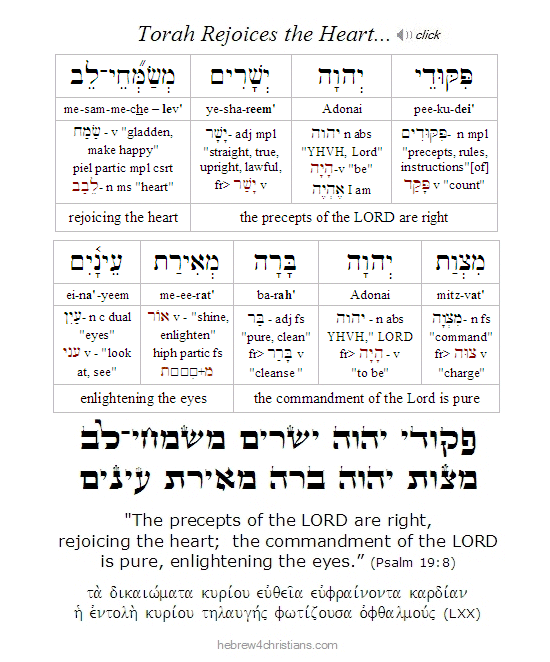
Psalm 19:8 reading (click):
In Hebrew the word chinukh (חִנּוּךְ) means "education," a word that shares the same root as the word "chanukah" (חֲנֻכָּה, "dedication"). Unlike the Greek ideal that regards education as "enlightenment" (i.e., being "led out" of the cave of ignorance), the Jewish ideal implies dedication to God and His concrete purposes on the earth. This ideal goes beyond the process of merely transmitting information, since dedication must be modeled (lived) as well as intellectually taught. Maimonides noted that the Hebrew word chinukh comes from the Torah's description of dedicating a tool for use at the Holy Altar, "habituating the tool for its work." In other words, godly education is a process of modeling how to be made into a "fit vessel" for the service of God in this world. All other ends of knowledge ultimately exist for this purpose, and rightly understood, then, education may be regarded as a form of worship.
Disciples of Yeshua are called talmidim (תַּלְמִידִים) - a word that comes from lamad (לָמַד) meaning "to learn" (the Hebrew word for teacher is melamad (מְלַמֵּד) from the same root). Education is therefore foundational to being a disciple of the Messiah, and the great commission is for each of us to share His teaching with others (Matt. 28:19-20). May God help each of us to be students who are dedicated to living for the truth of Yeshua's Name.
Hebrew Lesson
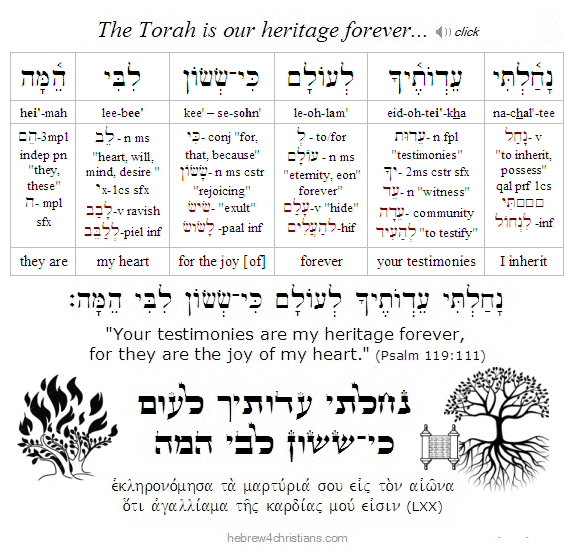
Psalm 119:111 reading (click):
 |
Related Audio:
The Vine of Life...

05.05.26 (Iyyar 18, 5786) "I am the true vine, and my Father is the Gardener. Every branch in me that does not bear fruit he takes away, and every branch that does bear fruit He purges (καθαιρει), that it may bear more fruit" (John 15:1-2).
Note something important that Yeshua is saying to his disciples: If you bear fruit you will experience a "purging process," and that means suffering affliction...
This might seem to you backward: Why does the fruitful branch need to be cut back? Indeed, the promise of suffering is not meant for an evil person, but for the righteous soul who trusts in God. Purging is painful but it is also purifying, yielding new growth within our hearts. Yeshua taught, "Blessed are the pure in heart, for they shall see God" (Matt. 5:8). The Greek word translated "pure" is katharos (καθαρoς), sometimes used describe the cleansing of a wound (catharsis), or to describe the unalloyed quality of a substance revealed through refining fire.
We "rejoice" in testing because that is the way of real growth, sustained hope, and the revelation of God's deep love (Rom. 5:3-4). In our afflictions we are given heavenly consolation that helps us to persevere (2 Cor. 1:3-5). Remember that we are being weaned from this present age to be made ready for heavenly glory, for things unimaginably wonderful, soon to be revealed to you. Stay tuned, friends: the best is yet to come!
Yeshua warned us, however, that "if anyone does not live in Me, he is cast off as a branch, and withers..." (John 15:6). We find life only as we remain connected to the Source and Conduit of life, who is the Messiah, the Savior and LORD. True life grows out a heart connection with Yeshua, and without that connection our lives become vain and will yield no eternal significance (John 15:5). Indeed, if you reject the Vine you will be destroyed, since life is found in no other Source (John 14:6; Luke 3:9).
But be encouraged, trusting friend: we cannot create new life by our own efforts or effect regeneration by means of our own "good works." No, the work of salvation is God's alone, and we partake of that work as we abandon our self-efforts and religious conceits (see Isa. 32:17; Mark 4:26-29).
There remains, therefore, a Sabbath for the people of God, "for whoever has entered God's rest has also rested from his works as God did from his" (Heb. 4:9-10). This "deep Sabbath" is a matter of trusting that the work of salvation has been accomplished on your behalf. Therefore "strive to enter into that rest," for the LORD always effects what is best for you. The path of peace is to surrender to God's care for your life and let the evils and drama of the world flow past you. This is "the work of faith."
Look to heavenly reality and not to the vanity and deceits of this world (Col. 3:1-4); live in Yeshua's Presence, drawing strength and vitality from your relationship with Him. The fruit of the Spirit is produced as we yield ourselves to the love and presence of God.
Hebrew Lesson
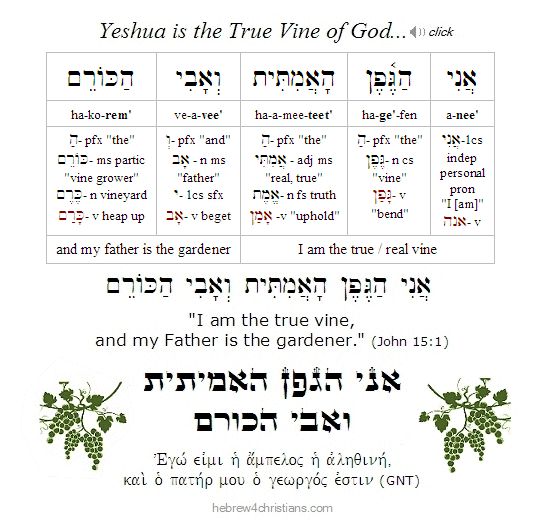
John 15:1 reading (click):
Feeding on His Faithfulness..
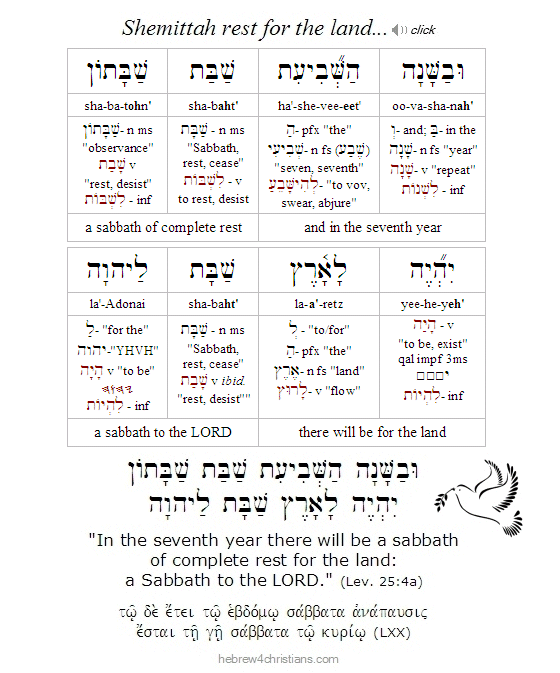
05.05.26 (Iyyar 18, 5786) In our Torah reading for this week (i.e., Behar) we learn that God commanded the people not to work the fields during the Sabbatical year. Once every seven years the land was to lie fallow and not be seeded or harvested (Lev. 25:4). This "Sabbath for the land" was called Shenat Ha-Shemittah (שְׁנַת הַשְּׁמִטָּה), or the "Shemittah year."
The Shemittah year is further called the "Sabbath for the LORD" (שַׁבָּת לַיהוה). Any produce of the field or trees that grow during the Shemittah year could not be sold and were simply free for the taking, and any private loans were canceled as well.
As you might imagine, in an agricultural economy the observance of the Shemittah year presented a real test of faith, since it required complete trust (emunah shelemah) that the LORD would provide despite "letting go" of the usual means of doing business...
In response to the very natural question, "What will we eat in the seventh year?" (Lev. 25:20), the LORD promised to regularly bless the preceding harvest to last for three years - the sixth, the seventh (shemittah), and the first part of the eighth - because planting was not permitted in the Shemittah year (see Lev. 25:21).
The sages comment that the underlying blessing from heaven is actually the gift of contentment (שְׂבִיעוּת רָצוֹן), or being completely satisfied with little. Rashi stated that the preceding promise, "you will eat to be satisfied" (Lev. 25:19) meant that "in your intestines there will be a blessing." This idea is repeated parashat Bechukotai when the blessings of obedience are described (Lev. 26:5).
The blessing to be satisfied - to be free of inner craving, to be unconstrained by lust, hunger, fear, etc. - is considered a greater miracle than even the threefold provision of harvest promised for observing shemittah. Indeed, it is often the sign of a curse to be well-off, since the rich tend to forget God and vainly believe that their own efforts bring them blessing (see Deut. 8:17). As David wrote, "Let their table be a snare for them..." (Psalm 69:22; Rom. 11:9).
When we seek first the Kingdom of God and His righteousness, "all these things" will be added to us (Matt. 6:25-33). Those who have faith and do not question whether God will provide for them are thereby enabled to receive miraculous provision and great peace from God. Moses lived 40 days and nights on Sinai without food because he trusted that God would meet his needs (Exod. 24:18). Likewise, the wilderness generation never worried about shoes and clothing, and therefore these things never wore out (Deut. 8:4; 29:4).
On the other hand, the manna that fell from heaven might have been given as a concession to human frailty, since Israel would have miraculously survived without food just as Moses had on the mountain as they made the journey from Sinai to Zion. According to midrash, the manna itself tasted either satisfying or repulsive based on the attitude and faith of each person. For those who believed in the goodness of God and appreciated God's generosity, the manna tasted delectable; for those who mistrusted God, it tasted like gravel in the mouth.
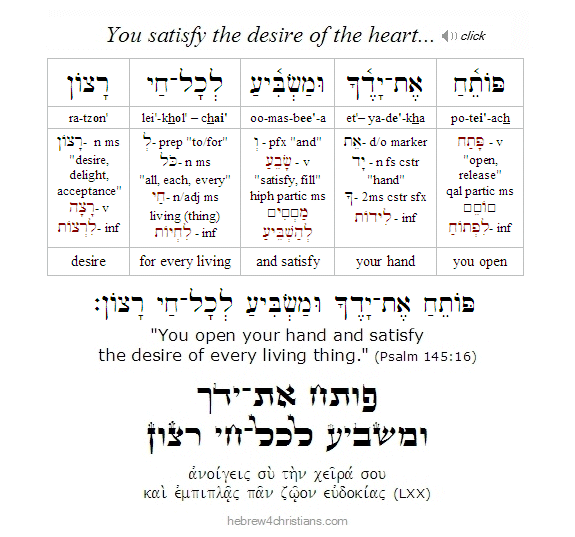
Ultimately it may be said that God gives to us based on our desire or will. As Yeshua said, "According to your faith be it done for you" (Matt. 8:13, 9:29). "Let it be as you have trusted." This idea is also expressed by King David in the Psalms:
פותח את־ידך
ומשׂביע לכל־חי רצון

"You open your hand and satisfy
the desire of every living thing." (Psalm 145:16)
The LORD gives to us according our heart's secret desires, and therefore the sages have said that he rewards the wicked in this world but the righteous He will reward in the world to come (Matt. 6:19-21). In this connection, Kierkegaard tells the story of a poor old couple that possessed nothing but poverty. As they grew older, their anxiety about the future increased:
They did not assail heaven with their prayers, for they were too pious for that; but nevertheless they continually cried to heaven for help. Then it happened one morning that the wife, going out to the oven, found a precious stone of great size upon the hearth. She immediately showed the stone to her husband, who saw at once that they were well supplied for the rest of their life. A bright future for this old couple – what joy! Yet, God-fearing as they were, and content with little, they resolved that since they had enough to live upon for another day, they would sell the jewel not that day, but the following. And then a new life would begin.
That night the woman dreamed that she was transported to paradise. An angel took her around and showed her all the glories an oriental imagination could invent. Then the angel led her into a hall where there were long rows of armchairs adorned with pearls and precious stones, which, the angel explained, were for the devout. Finally the angel showed her the chair that was intended for her. Looking more closely, the woman saw a large jewel was missing from the back of the seat. She asked the angel how that had come about.
Now be alert, here comes the story! The angel answered, "That was the precious stone you found on the hearth. You received it in advance, and so it cannot be inserted again." In the morning the woman related the dream to her husband. She felt they should hold on to the stone for a few years longer rather than let the precious stone be absent throughout eternity. And her devout husband agreed. So, that evening they laid the stone back on the hearth and prayed to God that he would take it back. In the morning, sure enough, it was gone. Where it had gone the old couple knew: it was now in its right place. (Attack upon Christendom, 246)
In the end, you can only "keep" what you give away (John 12:25). This old couple's treasure was stored in the "right place," free from the vanity and illusions of this world and its comforts, and free from the concessions made to human frailty that would result in an eternal loss...
Feed on Faithfulness
The blessing we regularly recite over bread (hamotzi lechem) is really a prophecy of sorts. "Blessed are You, Lord our God, who will bring bread up from the earth." This applies first of all to the resurrection of Yeshua from the dead, but it also applies to Yeshua as lechem ha-chayim (לֶחֶם הַחַיִּים), the Bread of Life (John 6:35). We may not be tested to see whether the LORD will provide for us in obedience to His commandment to observe the Shemittah year, but the principle of being fed by faith still applies to us:
בטח ביהוה ועשׂה־טוב
שׁכן־ארץ ורעה אמונה
Trust in the LORD and do good;
dwell in the land and feed on faithfulness.
(Psalm 37:3)
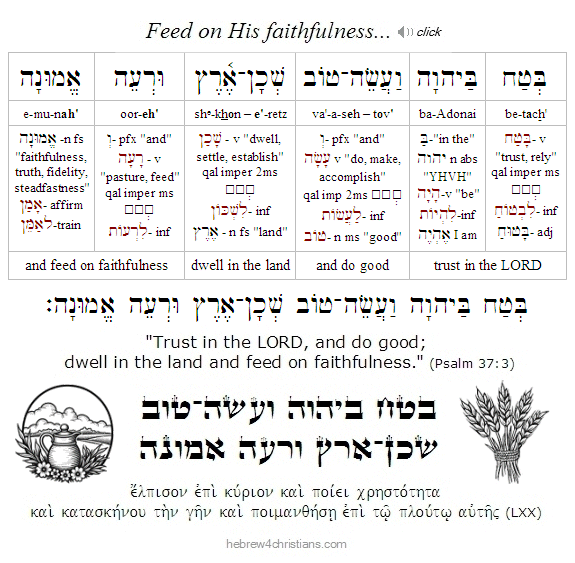
Are you trusting in the Lord's care for your life, despite the shock waves of a world that is beginning to face judgment? Are you "feeding on the faithfulness" of God? Or are you more anxious about the present economy than about your future life in heaven? God has promised to never leave nor forsake you (Josh. 1:5, Heb. 13:5).
Where is your treasure being stored, chaverim? The trials and testings of this life are meant to prepare us for eternity. They are God-given opportunities to exercise faith! We have one chance to walk this life and then we face judgment. "Let us not be weary in well doing: for in due season we shall reap, if we faint not" (Gal. 6:9). I pray we do not miss the reward that comes from living in genuine faith in God's Presence and provision.
אהיה עמך
לא ארפך ולא אעזבך
"I will be with you;
I will not let go of you nor forsake you." (Josh. 1:5c)

Strangers and Sojourners...
05.04.26 (Iyyar 17, 5786) Our Torah reading this week (i.e. Behar) includes two special laws that were intended to radically affect the social, economic, and spiritual well-being of Jews in ancient Israel. The first law was to "release the land" every seventh year, called ha-shemittah (הַשְּׁמִטָּה), which meant that the land would lie fallow by not being seeded or harvested (see Lev. 25:1-6).
The shemittah law involved far more than simply refraining from agricultural labor, however, since it implied that everyone was required to forgive all their debtors as well (Deut. 15:1-4). This recurring cycle of "rest and forgiveness" was to be commemorated as an appointed time (מוֹעֵד) when everyone would gather together during the festival of Sukkot to listen to the Torah read aloud (Deut. 31:10-12).
God's word was proclaimed from Zion; the land would breath and rest; people's burdens were lifted; and everyone would dwell in booths (sukkot) to recall their temporary status on the way to obtaining an eternal inheritance... No wonder Sukkot was regarded as the most joyous of the Torah's holidays!
The second special law was even more joyous. After seven of these seven-year sabbatical cycles (shemittot) had elapsed, the 50th year (called the "Jubilee" year [i.e., shenat ha-Yovel: שְׁנַת הַיּוֹבֵל]) was proclaimed, and all servants would be set free (i.e., "released"), all debts would be forgiven, and the land would be "reset" to its original condition (Lev. 25:8-17).
This joyful occasion is called the "Jubilee Release" and signifies the life of redemption (גְּאֻלָּה) for the community of God. It is also called Shemittah LaAdonai: "the LORD's Release" (Deut. 15:2). Just as Shavuot comes after seven cycles of seven days (i.e., the 50th day of Sefirat HaOmer) and therefore represents the perfection of freedom, so the Jubilee Year (Yovel) signals a time of freedom, dignity and equality for all people.
On Yom Kippur of the Year of Jubilee, a great shofar blast (i.e., teruah: תְּרוּעָה) would be sounded throughout all the land to proclaim liberty: "You shall sound the shofar on the tenth day of the seventh month, on the Day of Atonement (וֹם הַכִּפֻּרִים) shall you sound the shofar throughout all your land. And you shall hallow the fiftieth year, and proclaim liberty (דְּרוֹר) throughout all the land to all its inhabitants thereof: it shall be a Jubilee (יוֹבֵל) for you. And you shall return every man to his estate, and you shall return every man to his family" (Lev. 25:8-10). Despite the fact that part of this verse appears on the "Liberty Bell" in Philadelphia, this verse ultimately refers to the coronation of the Mashiach Yeshua as the true liberator of the Jewish people.... Indeed, the word yovel is another word for a ram's horn, or shofar, signifying the coronation of the King...
The observance of shemittah (שְׁמִטָּה) was a real test of faith, since it meant that the Jews had to completely trust that the LORD would provide for them, despite abandoning their usual farming and banking practices. God repeatedly warned the Jews not to oppress one another (Lev. 25:14,17) and explicitly promised His protection and care despite these counterintuitive practices (Lev. 25:18-22). Sadly, the people did not observe the laws of shemittah, and this eventually lead to the 70 year captivity in Babylon, one year in captivity for each year that shemittah was disregarded (2 Chron. 36:20-21).
Regarding the laws of Shemittah and Yovel, the LORD states: "The land shall not be sold in perpetuity, for the land is mine, for you are strangers (גֵּרִים) and settlers (תּוֹשָׁבִים) with me" (Lev. 25:23). This is a paradoxical phrase, since a ger is one who is just passing through, like a visitor or tourist, whereas a toshav is one who is a resident, like a settler or citizen. How can someone be both a visitor and a resident of a place, or a stranger and a citizen at the same time? How can one "pass through" a place he is said to dwell?
Concerning this paradox the Maggid of Dubna comments: "If you see yourselves in this world as strangers and remember that you are here only for a short visit, passing through the hallway of this world, then I will settle among you. However, should you see yourselves as settlers on this world, "owners" who are here to stay, then I am but a stranger among you. Either you are the settlers and I the stranger, or you the stranger and I the settler."
Torah describes the people of faith as "gerim ve'toshavim imadi" (גֵרִים וְתוֹשָׁבִים עִמָּדִי), "stranger-settlers" with God in this world (Lev. 25:23). We are "in" but not "of" this realm; we live in the temporal yet are looking for the heavenly city to come (Heb. 11-9-10).
The Eternal dwells among those who are exiles in this world, but to those who lay claim to life in this world God makes himself a stranger. .. As James warned, "Do you not know that friendship with the world is enmity with God? Therefore whoever wishes to be a friend of the world makes himself an enemy of God" (James 4:4). Likewise the Apostle John admonished: "Do not love the world or the things in the world. If anyone loves the world, the love of the Father is not in him... For the world is passing away along with its lusts, but whoever does the will of God shall abide forever" (1 John 2:15,17). Those who walk in faith find themselves gerim v'toshavim (גֵּרִים וְתוֹשָׁבִים) - "strange settlers" upon the earth (Heb. 11:13).
Abraham "sojourned" in the land of promise, as in a foreign land, living in tents with his children because he looked for a city whose builder and maker was God (Heb. 11:9-11). Likewise we are strangers and exiles here, on the journey to the reach "the City of Living God, to heavenly Jerusalem, to the assembly of the firstborn who are enrolled in heaven" (Heb. 12:22-23). When we take up the cross and follow Yeshua, we die to this world and its dreams. We die to ourselves in order to find life (Mark 8:35-36). We give up houses, lands, all our possessions, family relationships, and even our own lives in order to find residence with God (Matt. 19:29; Luke 14:26). We reckon ourselves "dead" to this world as our home and "look not to the things that are seen but to the things that are unseen; for the things that are seen are transient, but the things that are unseen are eternal" (2 Cor. 4:18).
We walk by faith, not by sight. Faith is the conviction (ἔλεγχος) of things unseen (Heb. 11:1) - and that includes the conviction that God will visibly care for our needs even if we let our gardens go fallow and release our claim on all our debtors...
We must venture out to take hold of the miraculous Presence of God. "According to your faith be it done unto you" (Matt. 9:29). I pray that we do not miss this awesome opportunity to truly share the present exile with God, chaverim, for one day those who are "strangers" with Him shall share His glory.... Meanwhile, we are not without comfort, though we still groan for the great homecoming to come.
Hebrew Lesson
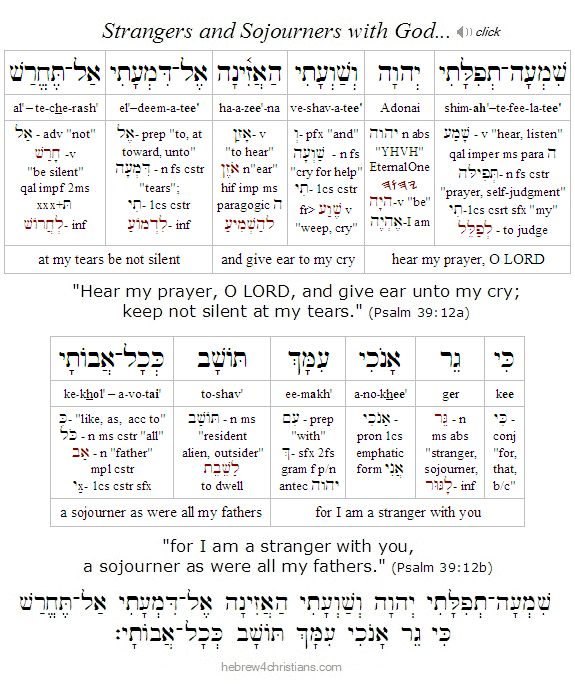
Psalm 39:12 reading (click for audio):
When we are strangers to this world we are called residents of heaven. To be a stranger to this world is a great blessing, since it means we identify our home in the heart of God. By extension, reality is measured by proximity to the Eternal, and the material world - when regarded as an end in itself - is nothing but an illusion, since it cannot exist apart from the sustaining power of God (Heb. 1:3; Col. 1:16-17; Rev. 4:11). The sages note that in Hebrew there is no language of categorical ownership, since all things are conditioned by time. We say yesh li (יש לי) - "there is to me" (for this time) rather than "I have" or own. Ownership is related to the "bone" (עצם) of something, its inner structure and essence. God alone is koneh shamayim va'aretz (קנה שׁמים וארץ), the Owner of Reality (Gen. 14:19). "For from him and through him and to him are all things. To him be glory forever. Amen" (Rom. 11:36).
Parashat Bechukotai:
The Question of Obedience...
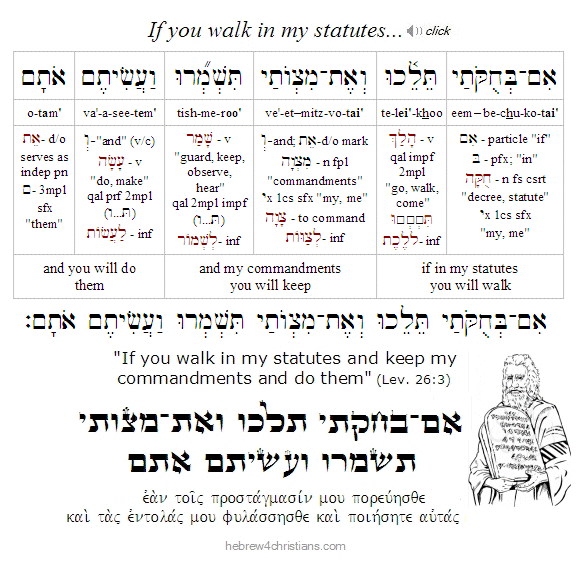
05.03.26 (Iyyar 16, 5786) Our second Torah reading for this week, called parashat Bechukotai (פרשׁת בחקתי), is the final portion of the central book of the Torah (i.e, Leviticus), and it begins with the promise that if the Israelites would walk in the LORD's statutes (chukkot) and commandments (mitzvot) and perform them, then they would enjoy material blessings and dwell securely in the promised land. Moreover the LORD Himself would make His dwelling with them and would walk among them as their God. The people of Israel would then truly be am segulah (עַם סְגֻלָּה) - a treasured people among all the nations of the earth.
On the other hand, if the people disobeyed God and disregarded His commandments, then they would be considered covenant-breakers, and they would experience all manner of distress and tribulation in their lives. They would experience panic attacks, diseases, heartache, and all manner of tsuris (vexation, trouble); their enemies would eat their increase, and those who hate them would rule over them; they would flee at the rustle of a leaf, and their lives would be full of terror and misery – all because they refused to put the LORD God first in their lives. And if after all this trouble the people would still refuse to return to the LORD, the worst punishment of all would befall them: exile from the promised land and banishment from the Presence of the LORD Himself.
Nonetheless, despite their disobedience, God's love and mercy for Israel would never fully depart, for "if they confess their iniquity and the iniquity of their fathers in their treachery that they committed against me, and also in walking contrary to me, so that I walked contrary to them and brought them into the land of their enemies – if then their uncircumcised heart is humbled and they make amends for their iniquity, then I will remember my covenant with Jacob, and I will remember my covenant with Isaac and my covenant with Abraham, and I will remember the land" (Lev. 26:40-42). Moreover, even while they are in exile, in the land of their enemies, God vowed: "I will not cast them away; nor will I ever abhor them to destroy them and to break My covenant with them; for I am the LORD their God" (Lev. 26:44).
The portion (and the Book of Leviticus) ends with a discussion of various laws pertaining to vows and tithes that a person may make to contribute towards the upkeep of the Sanctuary. These include dedications of persons, animals, houses, and lands. The scroll of Leviticus ends with the emphatic statement: "These are the commandments that the LORD commanded Moses for the people of Israel on Mount Sinai" (Lev. 27:34).
Parashat Behar:
Shemittah and "Jubilee" Years...
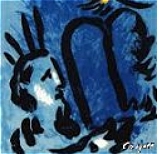
05.03.26 (Iyyar 16, 5786) Because this isn't a Jewish leap year, this week we have another double portion" of Torah, friends. Our first Torah portion is called parashat Behar (פרשׁת בהר) which begins with the commandment that an Israelite farmer must let his land rest by remaining fallow every seventh year. This is called the "Sabbatical year" (i.e., shemittah: שְׁמִטָּה, "release") and the inhabitants of the land were permitted to glean whatever the farmland produced naturally.
In addition, the people were told to count seven cycles of seven years – a total of 49 years – and to mark the arrival of the fiftieth year with blasts of the shofar on the Day of Atonement (Yom Kippur). This fiftieth year would be a time of "Jubilee" (i.e., yovel: יוֹבֵל) – a year of "release" for the land and all its inhabitants. All slaves would be set free, debts would be canceled, and the stewardship of the land would revert to its original titleholders.
In this connection, you might wonder how to determine whether a given year is a Sabbatical year (i.e., shemittah). The procedure is simple: Take the current Jewish year and divide by seven; if there is no remainder, it is a shemittah year; otherwise it is not. For example year 5784 is not a Sabbatical Year, whereas year 5789 is a Sabbatical Year (note that the Jewish year begins on Rosh Hashanah, on Tishri 1, in the fall). The Jubilee year (yovel) of course follows the seventh of the seven year cycles (i.e., 7 x 7 + 1), though there are some questions about which iteration (1st, 2nd, 3rd... 99th) is currently active. According to some authorities, the last Jubilee year was on Yom Kippur 5776, that is, Tues. Oct. 11th, 2016, so the next would be 50 years later (i.e., in the year 5826).
Parashat Bechukotai:
The Question of Obedience...
05.03.26 (Iyyar 16, 5786) Our second Torah reading for this week, called parashat Bechukotai (פרשׁת בחקתי), is the final portion of the central book of the Torah (i.e, Leviticus), and it begins with the promise that if the Israelites would walk in the LORD's statutes (chukkot) and commandments (mitzvot) and perform them, then they would enjoy material blessings and dwell securely in the promised land. Moreover the LORD Himself would make His dwelling with them and would walk among them as their God. The people of Israel would then truly be am segulah (עַם סְגֻלָּה) - a treasured people among all the nations of the earth.
On the other hand, if the people disobeyed God and disregarded His commandments, then they would be considered covenant-breakers, and they would experience all manner of distress and tribulation in their lives. They would experience panic attacks, diseases, heartache, and all manner of tsuris (vexation, trouble); their enemies would eat their increase, and those who hate them would rule over them; they would flee at the rustle of a leaf, and their lives would be full of terror and misery – all because they refused to put the LORD God first in their lives. And if after all this trouble the people would still refuse to return to the LORD, the worst punishment of all would befall them: exile from the promised land and banishment from the Presence of the LORD Himself.
Nonetheless, despite their disobedience, God's love and mercy for Israel would never fully depart, for "if they confess their iniquity and the iniquity of their fathers in their treachery that they committed against me, and also in walking contrary to me, so that I walked contrary to them and brought them into the land of their enemies – if then their uncircumcised heart is humbled and they make amends for their iniquity, then I will remember my covenant with Jacob, and I will remember my covenant with Isaac and my covenant with Abraham, and I will remember the land" (Lev. 26:40-42). Moreover, even while they are in exile, in the land of their enemies, God vowed: "I will not cast them away; nor will I ever abhor them to destroy them and to break My covenant with them; for I am the LORD their God" (Lev. 26:44).
The portion (and the Book of Leviticus) ends with a discussion of various laws pertaining to vows and tithes that a person may make to contribute towards the upkeep of the Sanctuary. These include dedications of persons, animals, houses, and lands. The scroll of Leviticus ends with the emphatic statement: "These are the commandments that the LORD commanded Moses for the people of Israel on Mount Sinai" (Lev. 27:34).
The miracle of it all...

"I would rather be what God chose to make me than the most glorious creature that I could think of; for to have been thought about, born in God's thought, and then made by God, is the dearest, grandest and most precious thing in all thinking." - George MacDonald
05.01.26 (Iyyar 14, 5786) Most of us deal with inner conflicts, self-reproach, and meagerness of faith, at least at certain critical points in our journey through this world... It is reported that on his deathbed Reb Zusya said, "I am not afraid that the Holy One will ask me, 'Zusya, why were you not more like Moses?' Rather, I fear the Holy One will say, 'Zusya, why were you not more like Zusya?'" This Hasidic story is interesting because, on the one hand, how could Zusya be anyone other than he is? and on the other, why is Zusya afraid that he is not who he should be? Zusya's parable reveals that there is an inner conflict in his soul. He senses that has not lived as he ought, that he has failed himself (and God), and that he is lost in the rift between the ideal and the real... His struggle, then, is with himself. Who he is and who he thinks he should be are at odds within his heart.
The question of who we are supposed to be haunts us, and consciousness of the failure to practice our ideals leads to a sense of guilt, anxiety, and shame. For those who believe in Yeshua the question is essential to the question of what it means to be an authentic disciple. How are we to live before God and be accountable for what we do? For instance, we read Yeshua's message in the Sermon on the Mount and we eventually realize - if we are honest with ourselves - that it is not within our nature to be able to do as he teaches, and this leads us to a despair not unlike that which Zusya experienced. A divided house cannot stand....
Reb Zusya's despair can be remedied only by overcoming the inner divide through a personal relationship with Yeshua, for salvation is not simply deliverance from the accusations of conscience (i.e., the verdict of the law) but constitutes the healing grace that delivers us from ourselves. Yeshua did not die on the cross to simply take away our sins, but to create within us indestructible new nature that it no longer enslaved to the power of sin. The message of the gospel is that your heart can be - and ultimately will be - transformed by the miracle of God given in Yeshua.
Salvation is not a matter of "religion" or of man's attempt to justify himself by some kind of reformation of character. Yeshua is not the "second coming of Moses," after all. Try as you might to live a "good life," keep the commandments, and aspire to elevate yourself spiritually, you will eventually come to realize that it is impossible to change yourself. You will then be faced with a decision: either to deceive yourself about who you are, or to be honest and confess your wretched and hopeless condition. This is the "lawful use of the law," that reveals the "ought-to-be" self, so that the gap between the ideal and the real becomes unsurpassable, and we know ourselves as lost sinners who are in peril over ourselves...
In our natural estate we are "fallen," shattered of heart, full of trouble "as the sparks fly upward." As Simone de Beauvoir once wrote: "In the very condition of man there enters the possibility of not fulfilling who he is" (Ethics of Ambiguity, 1947). The breach between who we are and what we ought to be creates a sense of alienation from ourselves, a "shadow self" that we deny, suppress, or try to control. In a moment of rare lucidity, the "natural man" cries out to God: "What do you want from me?" This is the moment when truth has its opportunity, when the heart is stirred to confess its need for deliverance and to accept God's love, despite the brokenness and incoherence of life.
When by miracle we escape from the "hard yoke" of our laws, our vain attempts at self-justification, we do not encounter another set of laws, or another heavy yoke, but we take hold of the love of God, a personal love, and we engage in relationship with God as the central (and unifying) reality of our lives. Deliverance from ourselves is not found in religious (or "spiritual") recipes of any kind but in our connection with the truth of who God really is, trusting in his love and healing for all that we are, have been, and ever shall be, amen.
"Salvation is of the LORD," which means that God does the work of righteousness within you. It is God who saves you; it is God who sanctifies you, and ultimately it is God alone who heals you. Whenever you say "I can't," you are either looking at yourself or at God. If you are looking at yourself, "I can't" is better understood as "I won't," and the problem then is a lack of faith. On the other hand, if you are looking at God, "I can't" is followed by "but You can, O Lord" and faith trusts that God will complete the good work that he has begun in you.
God sends each soul into the world with a special message to deliver, a revelation that only he or she can disclose... As George MacDonald once said, "I would rather be what God chose to make me than the most glorious creature that I could think of; for to have been thought about, born in God's thought, and then made by God, is the dearest, grandest and most precious thing in all thinking." That's the good news of the gospel, friends: God not only saves us from ourselves, he remakes us to be true bearers of his image and likeness. He works all things together for his glory and our good. Amen, let it be so, O Lord!
Hebrew Lesson
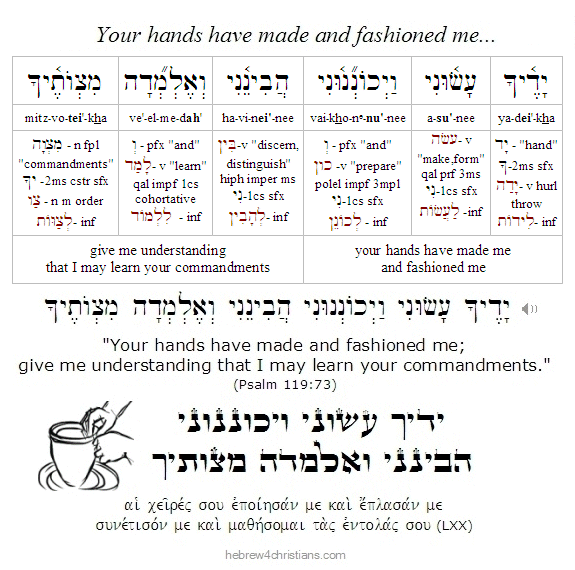
Psalm 119:73 reading (click for audio):
 |
A Life that Matters...
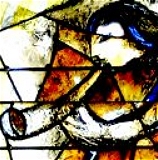
"Listen to the cry of a woman in labor at the hour of giving birth — look at the dying man's struggle at his last extremity, and then tell me whether something that begins and ends thus could be intended for enjoyment." - Soren Kierkegaard
05.01.26 (Iyyar 14, 5786) Ancient Greek philosophers sought for "salvation" (Σωτηρία), which they generally understood as freedom from the fear of death. For instance Socrates taught that reflecting upon this "shadowy world" would instill a profound hunger for the eternal (and ideal) world, and he therefore advised that, since we all must die, we ought to prepare ourselves now for eternity by focusing the mind on what is most essential, real, and beautiful. Socrates' thinking later gave rise to the Stoics who taught that we should resign ourselves to "rational fate" (which they called "logos") and to develop courage and equanimity of heart (ataraxia) because they optimistically believed that the underlying rational intelligence of the universe would make everything "turn out right" in the end.
Jewish theology was present a long time before the rise of ancient Greek philosophy, of course, since Israel was given the revelation at Sinai on Sivan 6, 2448, which corresponds to May 2nd, 1313 BC on our secular calendars, and that is nearly a thousand years before the rise of the Plato and the later schools of Stoicism, Epicureanism, and so on.
In general it may be said that ancient Jewish theology regarded God as the personal Creator of all that exists and death to be the result of the primordial sin of Adam and Eve. The present age (olam hazeh) is regarded as a transitional period (or trial) to return to God (olam haba). Therefore the sages likened the life of faith to be one of preparation: "This world is like a corridor before the World to Come; therefore prepare yourself in the corridor, that you may enter into the banquet hall" (Avot 4:21). We prepare ourselves by learning to be in relationship with the LORD, practicing moral and ethical truth as revealed in the Torah, and above all having faith in God's covenant. The great commandment is דִּרְשׁוּנִי וִחְיוּ - "Seek Me and live" (Amos 5:4), and as the prophet Isaiah cried out, "Seek the LORD while he may be found; call upon him while he is near" (Isa. 55:6).
Our allotted time in this world is relatively short and therefore wisdom behooves us to prepare for our ultimate destiny while we still have the chance. To borrow a cliche, "today is the first day of the rest of your life," and consequently whatever you do or don't do today will effect all of your tomorrows -- and even carry over into the world to come.
What isn't a cliche, however, is the profound truth that even the seemingly smallest of decisions matter and that nothing is trivial. There is a "butterfly effect," and a small change in your life will produce big effects. Therefore, since by necessity "one thing leads to another," we must soberly realize the importance of our decisions and choose wisely. What we do today, the choices we make, will yield future blessing in our lives if we seek the good.
So what to do? How, then, shall we live today? Well for starters make some time to pray to the Lord. Make an effort to read and study the holy Scriptures. Memorize verses that speak to your heart. Meditate on God's Presence and love. Be filled with the Holy Spirit and turn away from dark thoughts and fears. Call or visit a friend. Listen to your friend and share their burdens. These are just a few suggestions, but the point is that the time we have today is our opportunity to live a life that really matters. Therefore choose life!
We can't turn back the clock but we can ask God to help us "redeem the time." He can restore the years that the locust has eaten, so it's never too late to begin! Let us seek lasting wisdom. Prepare your heart today so that when your hour comes to "enter the banquet hall," you will not be ashamed but overjoyed and ready to meet the Lord!
Above all do not let your heart be troubled; have faith in God, for he "prepares a place for you" on the other side of the veil of this temporal world (John 14:1-3). "Whoever is born of God conquers the world (νικᾷ τὸν κόσμον), and the overcoming power that conquers the world is our faith" (1 John 5:4). God will help you live a life that truly matters, if you ask him. Therefore while you still have breath, choose life....
Hebrew Lesson
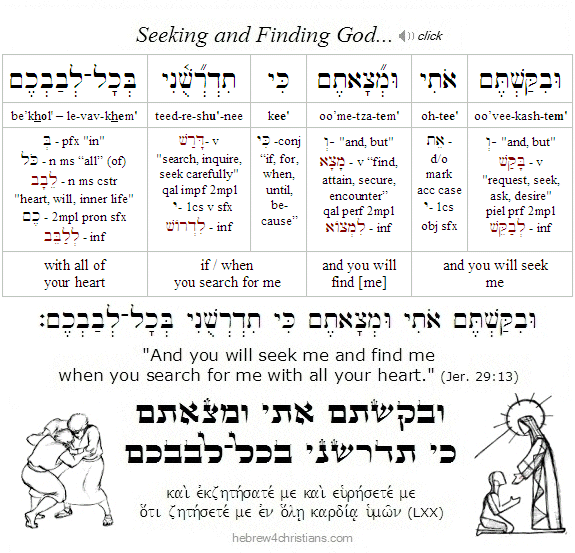
Jeremiah 29:13 reading (click for audio):
 |
<< Return
|
|